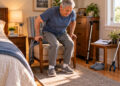
Setting up a safer home exercise space reduces the chance of trips, strains, and avoidable setbacks. Thoughtful ergonomics and simple checks let you work out confidently without compromising form. This article outlines practical steps to adapt common rooms into functional fitness zones. These guidelines suit beginners and regular exercisers who want a lower-risk environment.
Assess your home workout zone
Begin by scanning the area for hazards and usable square footage. Look for loose rugs, low-hanging fixtures, and furniture that could interfere with movement or equipment paths. Measure a clear zone that allows full range of motion for the exercises you plan to do. Good lighting and ventilation also contribute to comfort and reduce fatigue during sessions.
Mark clear boundaries for dynamic movements and store nonessential items away from the workout perimeter. Reposition or remove obstructions and secure any loose coverings. Keeping a dedicated space signals your body and mind to stay focused and safe while training.
Select equipment and surfaces
Choose equipment that matches your skill and space, prioritizing stability and ease of use. Lightweight, well-maintained gear such as adjustable dumbbells or resistance bands can be safer than bulky machines in tight areas. Flooring matters: a non-slip mat or interlocking tiles provides cushioning and prevents sliding during lateral movements. Regularly inspect straps, handles, and joints for wear.
- Use equipment within manufacturer weight and usage guidelines.
- Keep a small toolkit for quick repairs and adjustments.
- Opt for low-profile storage to avoid tripping over gear.
When replacing or adding items, consider how they integrate with your layout and routines. Investing in quality basics reduces the need for frequent modifications and enhances long-term safety.
Develop habits and emergency planning
Adopt movement habits that reduce cumulative strain and the risk of acute injuries. Warm up briefly, progress intensity gradually, and prioritize proper form over heavier loads. Make time for cool-down stretching and hydrate to support recovery. Teach household members about your workout schedule to avoid accidental interruptions.
Keep a simple first-aid kit and a charged phone nearby, and know how to call for help if needed. Logging sessions and noting any discomfort helps you adjust programming before small issues become larger problems. Consistent, small improvements to setup and routine yield the greatest safety benefits.
Conclusion
Thoughtful ergonomics transform everyday rooms into reliable, low-risk training areas.
Start with a clear assessment, choose appropriate equipment, and build safe habits over time.
These steps make home exercise both effective and sustainably safe.