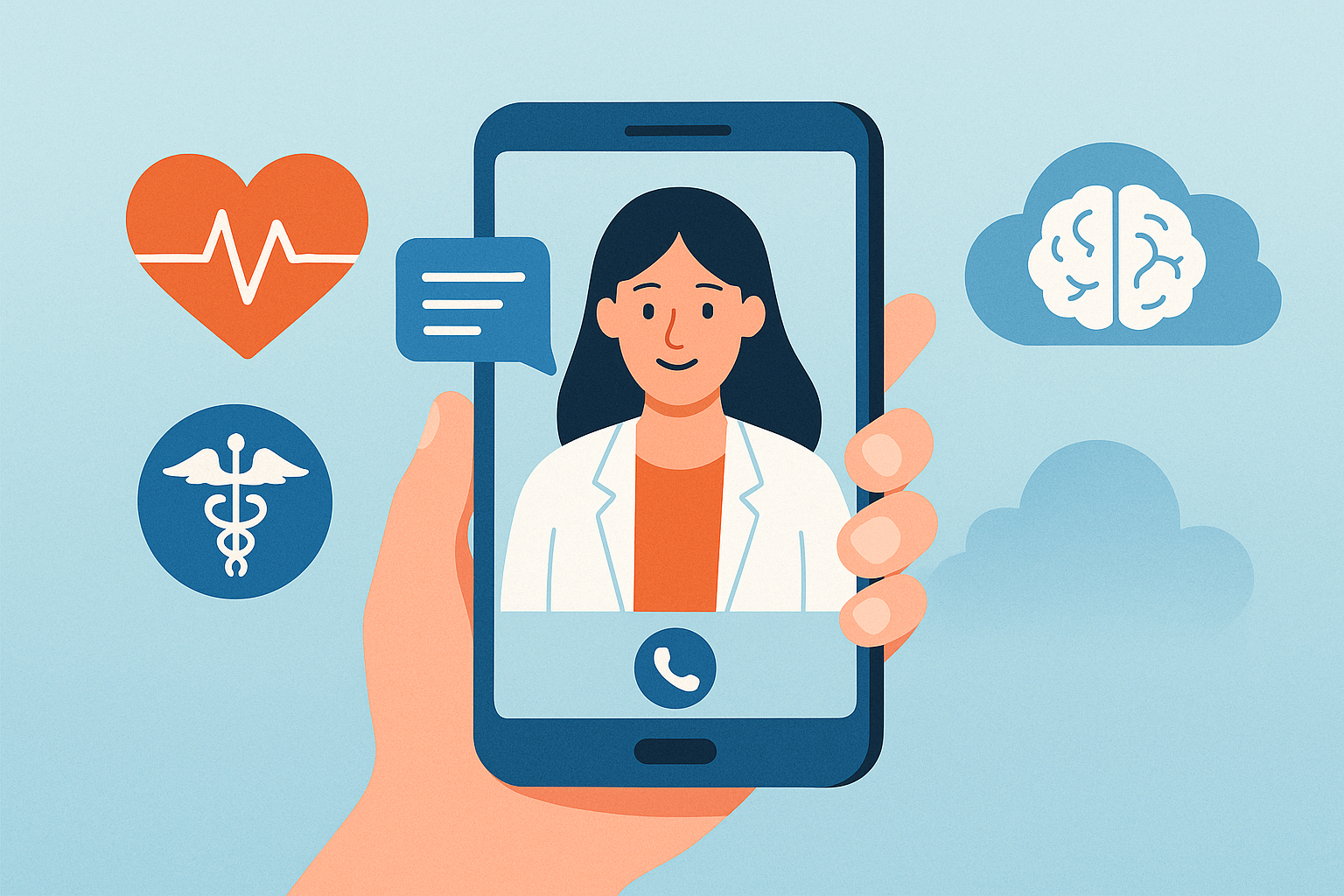
Mental health support is evolving at a pace we’ve never seen before, thanks to the rise of innovative digital tools designed to make care more accessible. As more people turn to smartphones for daily needs, mental health apps are stepping in to bridge gaps created by cost, stigma, or limited local resources. These platforms are offering immediate, private, and often affordable support—creating a pathway for individuals who may not otherwise reach out for help.
Expanding Access Through Smart Technology
Mental health apps today use advanced features like mood tracking, guided exercises, and real-time feedback to help users manage stress, anxiety, and emotional fluctuations. These tools offer support around the clock, making it easier for people with busy schedules or limited access to in-person care. By placing therapeutic exercises and coping strategies directly into someone’s pocket, technology is helping users build emotional awareness and resilience at their own pace.
Personalized Interventions Powered by AI
Artificial intelligence is a driving force behind many of the most impactful mental health technologies. Apps can analyze patterns in user behavior—such as sleep, journaling habits, and reported mood—to suggest more personalized interventions. Some platforms even integrate conversational AI to simulate supportive check-ins, encourage healthier routines, or help users reflect through guided prompts. This level of personalization makes digital support feel more relevant and engaging, especially for users seeking structure.
Bridging Gaps in Traditional Care
For many people, mental health care can be difficult to access due to cost, wait times, or limited provider availability. Mental health apps help bridge this gap by offering immediate and affordable alternatives. While they aren’t a full replacement for professional therapy, they serve as an important supplement—especially for individuals who need ongoing support between sessions or aren’t ready to seek formal treatment. They also help reduce stigma by allowing people to explore mental health care privately and comfortably.
Supporting Professionals, Not Replacing Them
A growing number of apps are designed to work hand-in-hand with mental health professionals. Features like shared progress dashboards, mood logs, and symptom trackers allow therapists to get deeper insight into a client’s daily experiences. This collaboration enhances treatment plans, strengthens patient engagement, and improves long-term outcomes. Instead of replacing human care, technology acts as a powerful companion that enhances communication and consistency.
Conclusion
As mental health needs continue to rise, innovative apps are playing a crucial role in expanding access and offering personalized support. By combining smart technology with user-friendly design, these platforms empower individuals to take control of their emotional well-being and build healthier daily habits—bridging care gaps and reshaping how support is delivered.