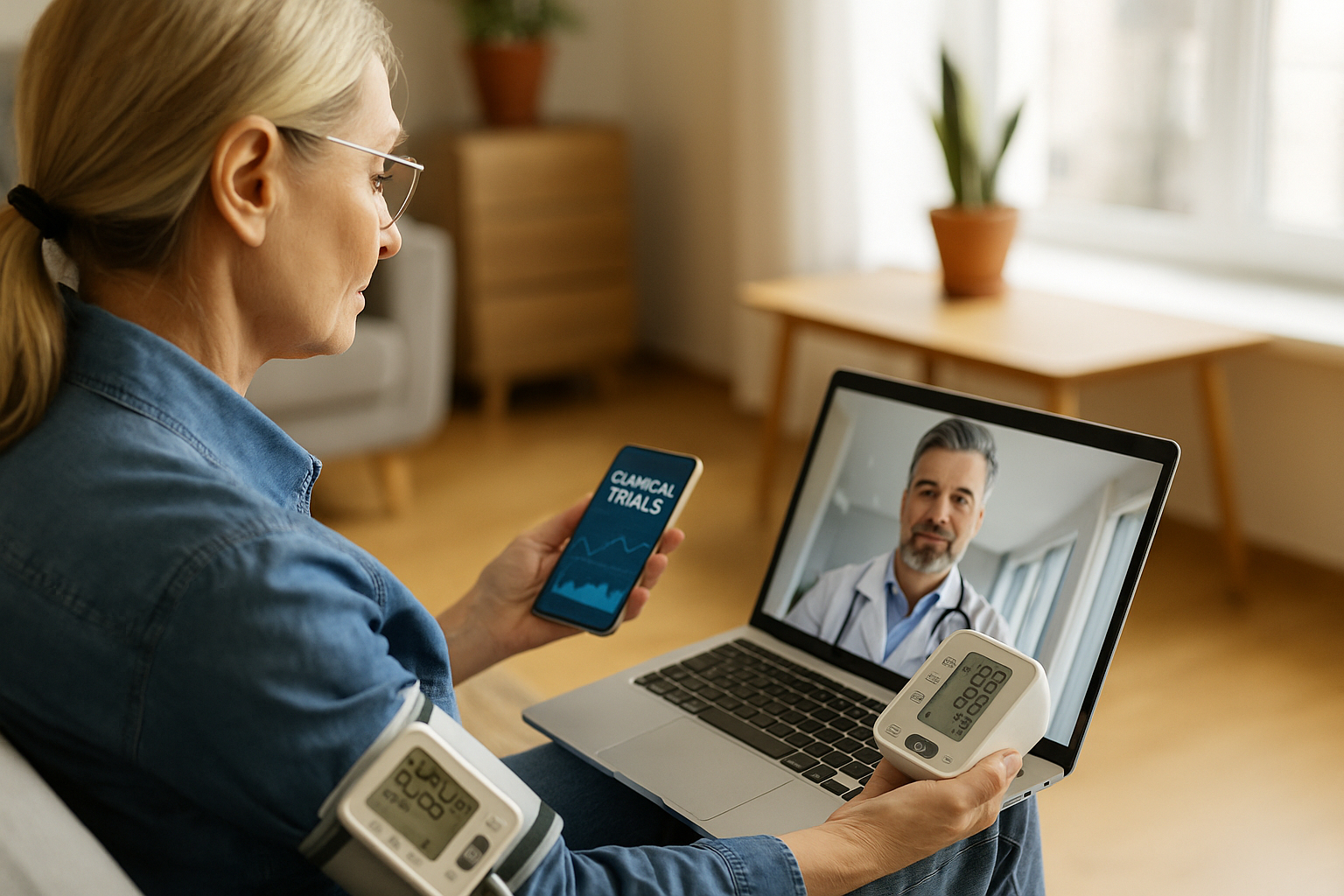
Clinical trials are undergoing a major transformation as digital technologies reshape how studies are designed, managed, and conducted. The rise of virtual and decentralized clinical trials is making research more accessible, efficient, and patient-centered. Instead of requiring participants to travel frequently to research sites, digital tools now allow many trial activities—such as data collection, monitoring, and communication—to happen remotely. This shift is not only improving convenience but also accelerating innovation and broadening participation across diverse patient populations.
Expanding Access Through Remote Participation
Virtual clinical trials reduce traditional barriers such as travel distance, scheduling conflicts, and mobility limitations. By allowing participants to engage from their homes through mobile apps, telemedicine, and wearable devices, researchers can enroll more diverse patients. These digital tools make trials more inclusive and reflect real-world patient experiences more accurately, improving the quality and relevance of clinical outcomes.
Using Technology to Improve Data Collection
Remote data collection has become one of the key strengths of virtual trials. Patients can use wearable sensors, mobile health apps, and connected devices to record and share real-time data—including vital signs, activity levels, symptoms, and medication adherence. This continuous monitoring provides researchers with richer datasets and minimizes recall bias. It also enables early detection of adverse events, improving safety throughout the study.
Enhancing Patient Engagement and Retention
Digital platforms often include reminders, progress updates, and two-way communication that keep participants engaged. Virtual visits and messaging features make it easier for patients to stay connected with study teams without the inconvenience of traveling for routine check-ins. Higher engagement leads to better data quality and stronger retention rates—both critical factors in trial success.
Streamlining Operations for Research Teams
Virtual trials reduce the administrative burden on researchers by automating scheduling, consent processes, and data capture. Electronic consent (eConsent) allows participants to review documents at their own pace and sign securely from any device. Cloud-based platforms help manage study logistics, track progress, and ensure compliance with regulatory standards. These tools enable teams to run trials more efficiently while reducing costs.
Improving Patient Safety With Real-Time Monitoring
Continuous remote monitoring allows researchers to respond quickly if a patient experiences side effects or health changes. AI-driven analytics can flag unusual patterns and alert study teams right away. This proactive approach enhances patient safety and supports more adaptive study designs, where protocols can be modified based on real-time insights.
Conclusion
Virtual clinical trials are reshaping the future of medical research by increasing accessibility, improving data accuracy, and enhancing patient engagement. Through remote monitoring, digital tools, and streamlined workflows, the clinical trial process is becoming faster, safer, and more patient-friendly. As technology continues to advance, virtual trials will play a central role in driving medical innovation.