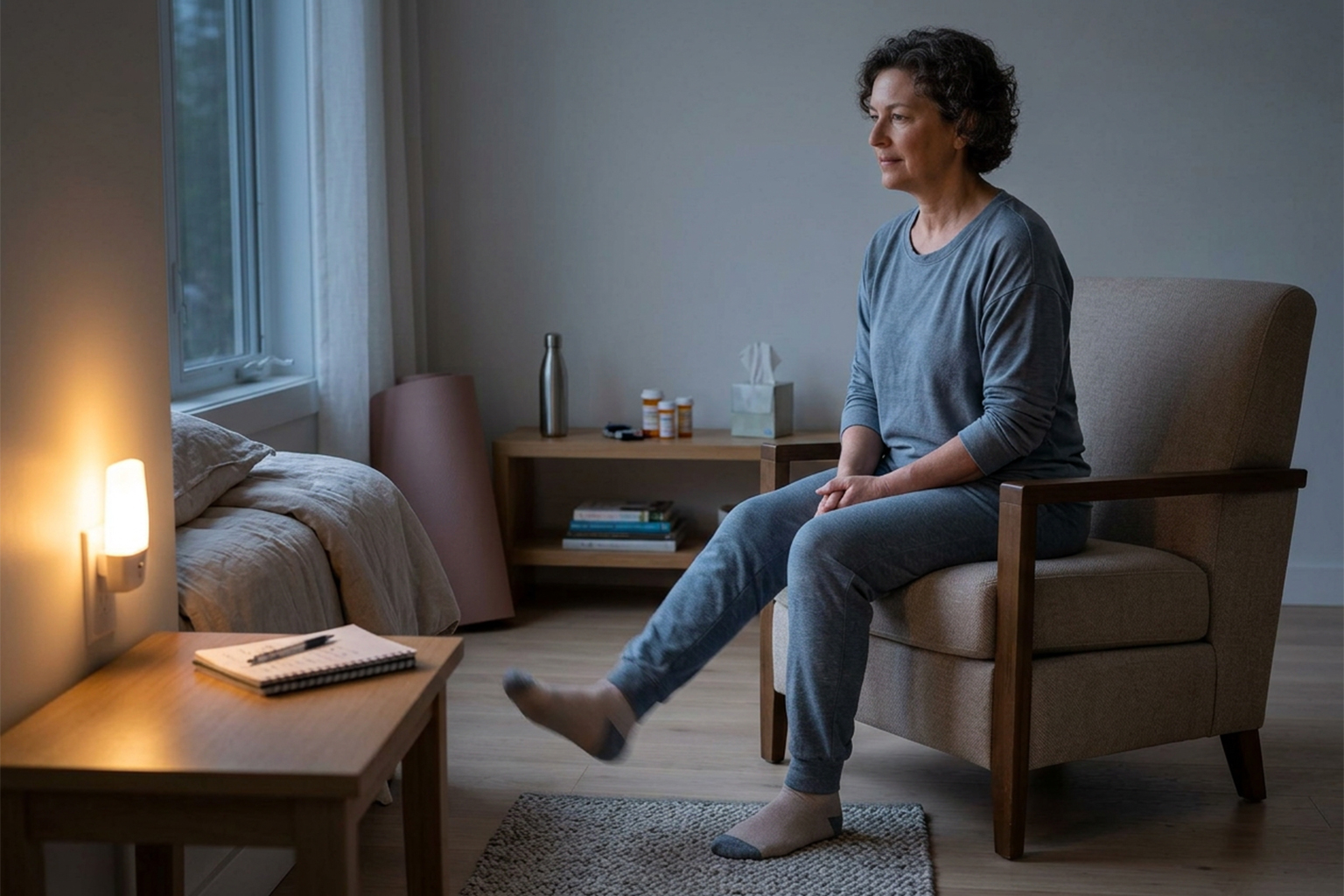
Begin each day with short, specific motions that mirror the tasks you need to do. Gentle sit-to-stand repetitions, ankle circles while seated, and controlled reaches for common objects teach the nervous system and joint tissues how to tolerate load again. Keep movements slow and stop if symptoms change quickly, then rest and retry at a lower intensity. These small rehearsals reduce the shock of sudden activity and build a base of reliable control.
Consistency matters more than intensity early on. Aim for two to four brief bursts spread through the day rather than a single long session. Over weeks you can add a repetition or two as comfort grows.
Rework Your Home for Safer Practice
Tiny adaptations in rooms where you spend time make daily moves less risky and more productive. Move often-used items to waist height to avoid repeated bending, clear tripping hazards along common paths, and place a stable chair in areas where you pause. Good lighting and a non-slip rug or mat near frequently used transitions cut down on awkward compensations and sudden startles.
- Keep a supportive chair by the bed for morning transitions.
- Store frequently used kitchen items between hip and chest level.
- Use a nightlight for safer bathroom trips.
These adjustments remove friction from recovery. With fewer surprises in the environment, practice focuses on rebuilding smooth, controlled movement.
Pacing, Posture, and Practical Checks
Pacing prevents setbacks: alternate activity with short rests and notice how effort feels an hour later rather than only during the task. Check posture during everyday tasks—neutral spine when lifting lightweight objects, weight distributed evenly when standing. Include quick balance checks, such as standing with feet hip-width and shifting weight gently, to retrain stability without overloading tissues.
Keep a simple log of what you did and how it felt; patterns often reveal when to scale back or advance. Small, objective records help keep choices steady and prevent the highs-and-lows that stall recovery.
Conclusion
Rebuilding mobility at home is about smart repetition and safer spaces rather than heroic effort. Small, regular movements combined with home tweaks and pacing add up to steady improvement. Stay consistent, monitor responses, and let progress be gradual.