Small, consistent habits at home can reduce strain and help joints and muscles feel better over time.
Adopting gentle practices does not require specialized equipment, just intention and simple planning.
This article outlines five practical approaches you can integrate into daily life to protect mobility.
Each practice focuses on steadiness, gradual progression, and sensible pacing that fit ordinary routines.
1. Prioritize Short, Frequent Movement Breaks
Sitting or standing in one position for long stretches increases stiffness and can aggravate pain, so schedule brief movement breaks every 30 to 60 minutes.
Choose low-effort activities such as a short walk, standing stretches, or gentle range-of-motion exercises for the affected areas.
These micro-breaks help circulation, reduce tension, and maintain joint lubrication without provoking soreness.
Aim for consistency rather than intensity to make this habit sustainable.
Over time, these small pauses add up and improve tolerance for longer periods of activity.
Start with one or two breaks per day and build from there as comfort allows.
2. Build Gentle Strength Around Vulnerable Joints
Targeted, low-resistance strengthening supports joints by improving muscular support and balance, which can reduce pain episodes.
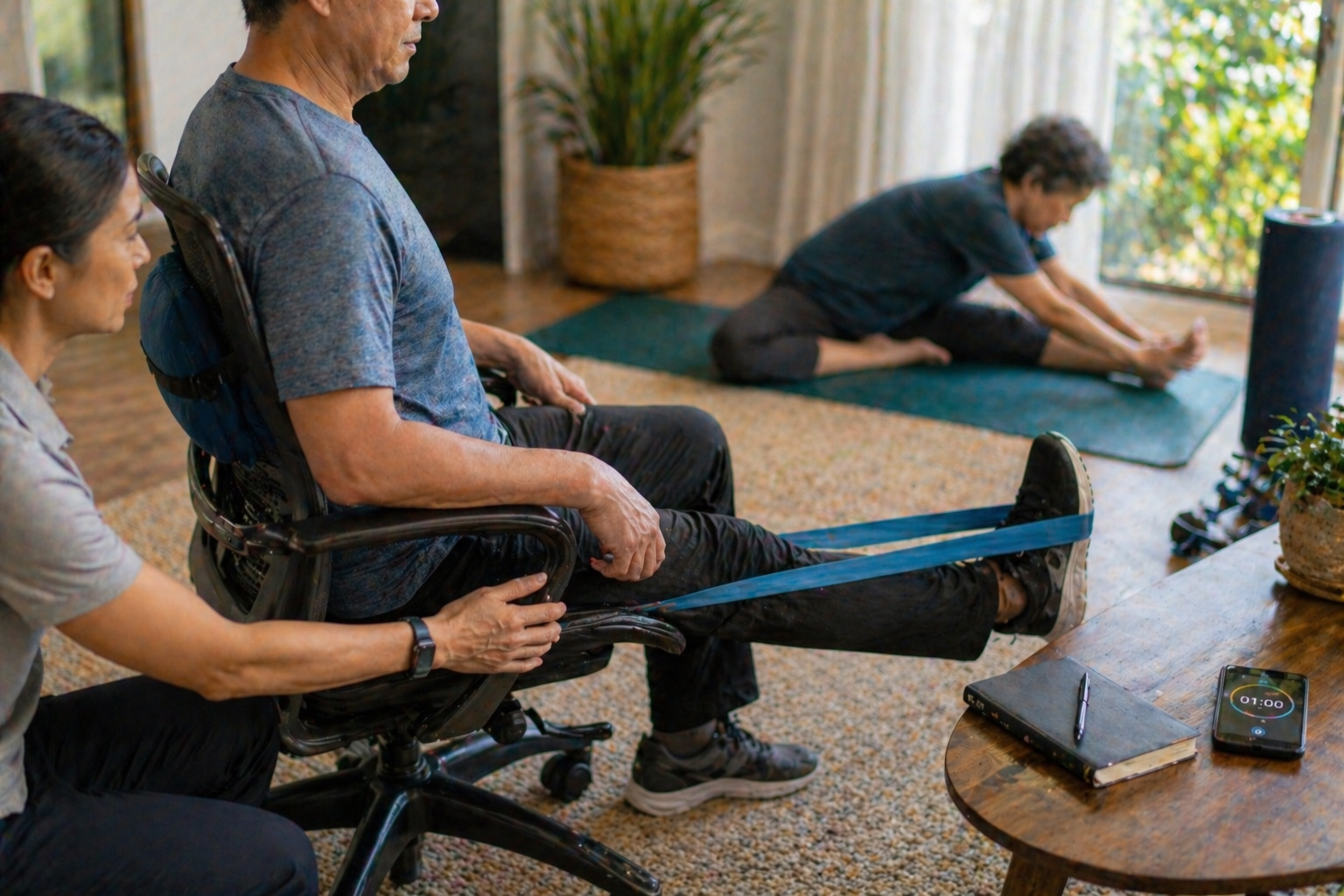
Use bodyweight moves, resistance bands, or light household items to perform controlled, slow repetitions focused on form.
Include major muscle groups that cross the joint and avoid high-impact loading or sudden increases in intensity.
Progress gradually and prioritize pain-free motion over the number of repetitions.
Consistency matters more than intensity for long-term resilience.
Integrate two to three short sessions per week and adjust based on response.
3. Maintain Mobility with Gentle Stretching and Range Work
Regular, mild stretching and controlled range-of-motion movements preserve flexibility and reduce stiffness that contributes to discomfort.
Perform movements slowly within a comfortable range and hold stretches briefly to avoid irritation.
Focus on functional patterns used in daily tasks rather than maximal flexibility for its own sake.
Breathing calmly during these exercises helps muscle relaxation and overall comfort.
Simple routines done daily can prevent gradual loss of movement and support recovery.
Aim for variety so multiple joints and muscle groups receive attention.
4. Optimize Posture and Home Ergonomics
Small ergonomic changes at work and around the house can substantially lower repetitive strain and pain triggers.
Adjust seating height, use lumbar support, keep frequently used items within reach, and change positions regularly.
Mindful posture and organized environments reduce unnecessary load and make movement easier throughout the day.
These adjustments are low cost and often provide immediate relief.
Combine ergonomic tweaks with movement breaks for the best effect.
Reassess setup periodically as needs change.
5. Use Pacing and Flare Management Strategies
Pacing activity—balancing effort and recovery—helps prevent setbacks and keeps improvements steady over time.
Listen to warning signals, scale activities when needed, and plan restful intervals after higher demand days.
When flare-ups occur, reduce intensity, maintain gentle movement, and return to previous levels gradually to avoid relapses.
A pragmatic plan limits frustration and supports long-term progress.
Track activities and symptoms to learn patterns and refine pacing rules that work for you.
This approach encourages sustainable gains without risking overexertion.
Conclusion
Integrating short movement breaks, gentle strengthening, mobility work, ergonomics, and pacing creates a balanced home routine.
These five practices are adaptable and scalable to individual needs and daily schedules.
With consistency they build resilience, reduce strain, and support lasting joint and muscle comfort.