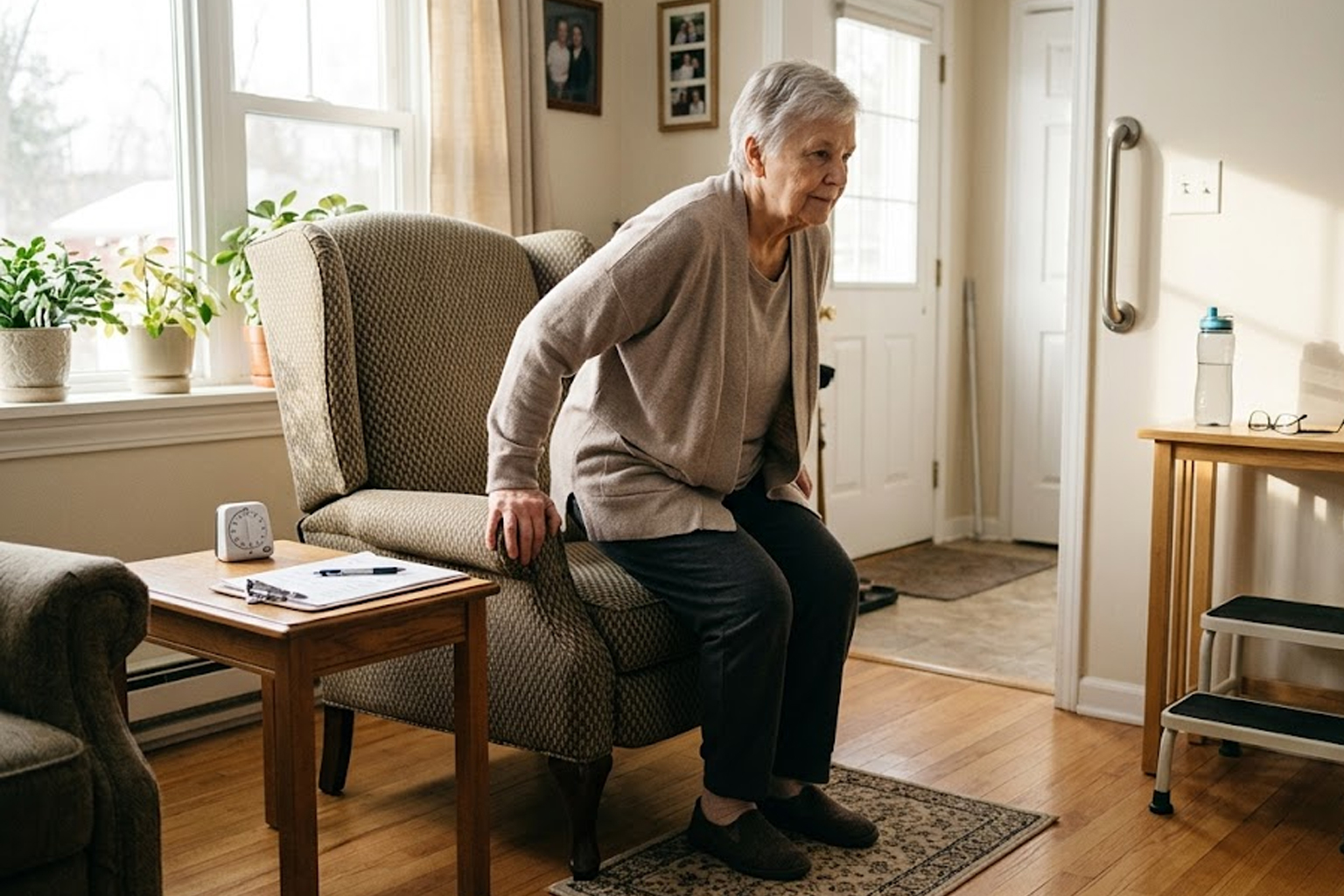
Recovering everyday movement doesn’t require grand workouts or expensive gear. Small, purposeful adjustments to how you move at home can protect healing tissues and rebuild confidence. Consistent choice of gentle activities and modest environment changes tend to add up faster than sporadic effort. This approach focuses on safety, practicality, and steady progress you can sustain.
Why tiny, consistent steps matter
Starting with short, repeatable actions reduces pain flare-ups and keeps momentum. Breaking tasks into micro-goals—stand up from a chair five times, walk to the mailbox and back—lets you measure improvement without overwhelming your body. Paying attention to timing and rest keeps fatigue from accumulating and keeps practice effective. The goal is functional repetition, not intensity, so movement becomes a habit rather than a strain.
Make a weekly checklist to track small gains and tasks you can safely increase. Seeing progress in minutes, steps, or posture cues helps maintain motivation.
Smart home tweaks that reduce strain
The home itself can either protect or hinder recovery depending on layout and simple equipment. Removing loose rugs, improving light in transition areas, and placing chairs where you pause help reduce awkward movements. A few inexpensive aids—non-slip mats, a stable step stool, or a grab bar by the tub—often remove the single moments that cause setbacks. Think in terms of reducing sudden demands on balance and strength rather than eliminating independence.
- Move frequently used items to waist level to avoid bending.
- Use a firm chair with arms for safer sit-to-stand practice.
- Keep a clear path from bed to bathroom for nighttime trips.
- Lay down a small mat near the shower to dry feet safely.
Small layout changes change how muscles and attention are used throughout the day. That steady reduction of risk supports gradual rebuilding.
Short sessions you can actually keep
Short, structured movement sessions fit into real life and reduce the chance of overdoing it. Aim for multiple two-to-ten minute sessions spaced during the day that combine gentle strength, balance, and mobility tasks. Simple progressions—more repetitions, slight weight or reach changes, or longer holds—create overload without sudden jumps. Tracking a single metric, such as comfortable steps or unassisted sit-to-stand count, gives clear next steps.
Keep a quick log and adjust the plan if pain increases for more than a day. Gradual adjustments maintain safety while still producing measurable improvement.
Conclusion
Small, consistent choices in movement and environment create real gains over weeks and months. Focus on repeatable tasks, modest layout changes, and short sessions you can sustain. Those shifts preserve healing and steadily restore confidence for everyday living.