

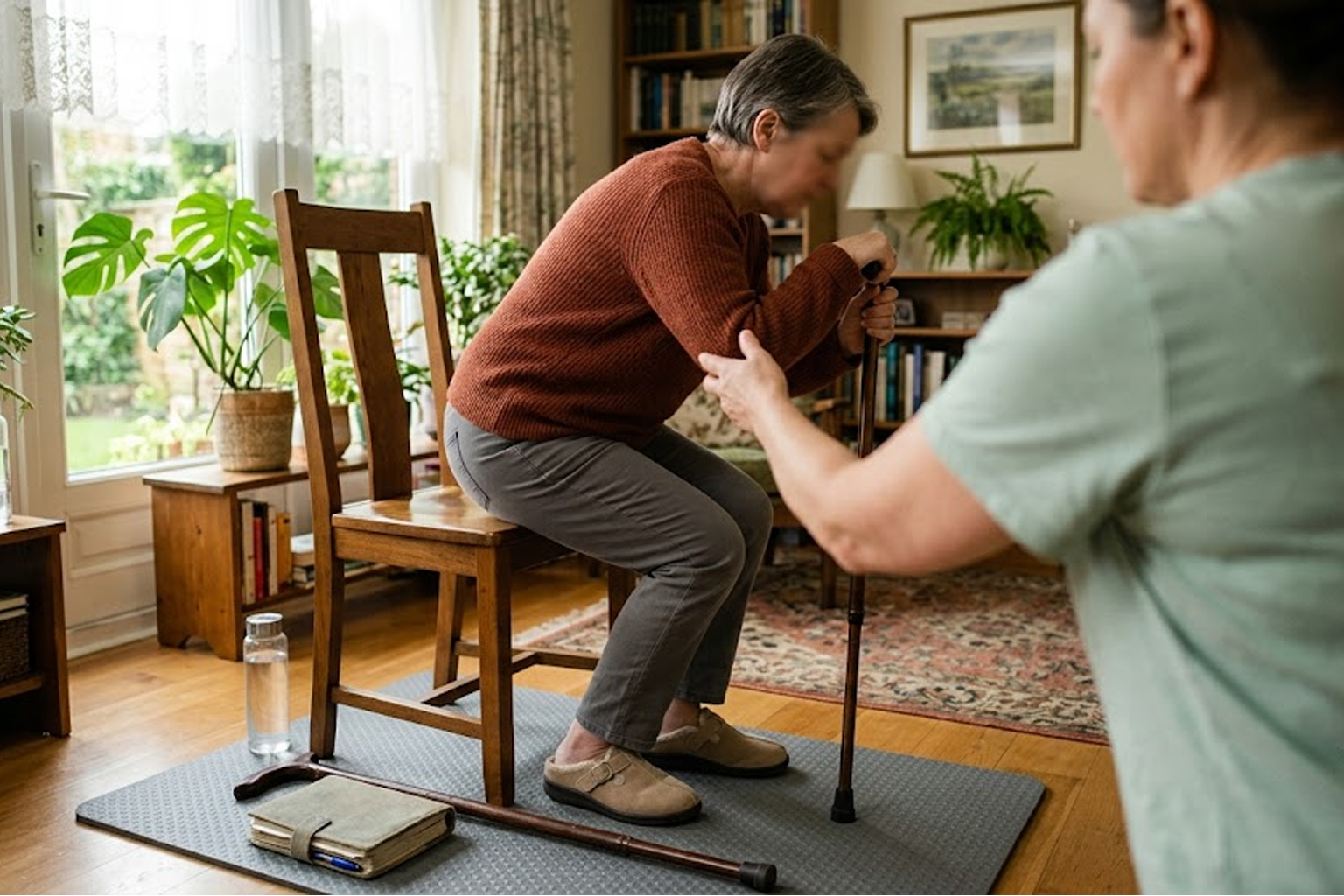
Recovering at home often depends on consistent, manageable movement rather than intense, sporadic effort. Small, purposeful rituals can preserve function, reduce stiffness and build confidence without overwhelming the body. This article outlines practical steps to structure daily activity, adapt your environment, and monitor progress safely. These suggestions are intended to complement professional guidance and support gradual improvement.
Creating habits makes recovery predictable and less stressful. Consistency helps the nervous system relearn movement patterns, and short sessions reduce risk of fatigue. By planning moments of activity into the day you can progress steadily while respecting healing limits.
Start with Small, Purposeful Movement
Begin each day with brief, targeted movements that focus on breathing, joint range and gentle strength. Aim for three to five short sessions spread through the day rather than one long session, keeping each under ten minutes if needed. Choose movements that mimic daily tasks—sit-to-stand transfers, gentle reaching, and controlled steps—to make progress functional and relevant. Prioritize pain-free motions and stop or modify any action that increases sharp pain or dizziness.
Consistency is more important than intensity early on. Gradually increase repetitions or range as comfort allows, and celebrate small victories to maintain motivation.
Adapt Your Space and Use Simple Tools
Arrange living areas to support safe movement: clear trip hazards, position frequently used items at an accessible height, and ensure adequate lighting along paths. Simple tools like stable chairs, non-slip mats and a walking aid can provide support without medical intervention. These adjustments reduce effort and fear, making it easier to repeat beneficial movements throughout the day. Consider moving a chair to a central spot so balance practice or seated exercises can be done while watching TV or during breaks.
- Remove loose rugs or secure them with tape.
- Keep a phone and water nearby to avoid overreaching.
- Use supportive footwear or slippers with grip.
Small changes to the environment often yield outsized benefits for safety and independence. Keep adaptations simple so they become part of normal routines rather than additional chores.
Track Progress and Adjust Responsibly
Use a simple log to note daily activity, duration and how you felt afterward; this informs gradual increases and highlights patterns like fatigue or pain. Set achievable weekly goals—adding a minute or two per session or an extra repetition—and reassess every few days. If setbacks occur, reduce intensity and consult a clinician before advancing again. Objective markers such as number of steps, ability to perform a household task, or reduced reliance on support indicate meaningful improvement.
Regular review helps keep progression safe and purposeful. Adjust expectations based on symptoms and recovery stage to avoid setbacks.
Conclusion
Establishing short, consistent movement rituals and sensible home adaptations supports steady recovery without overwhelming the body. Track small gains and adjust gradually, prioritizing safety and function over speed. These practical steps can build confidence and independence while you heal.










