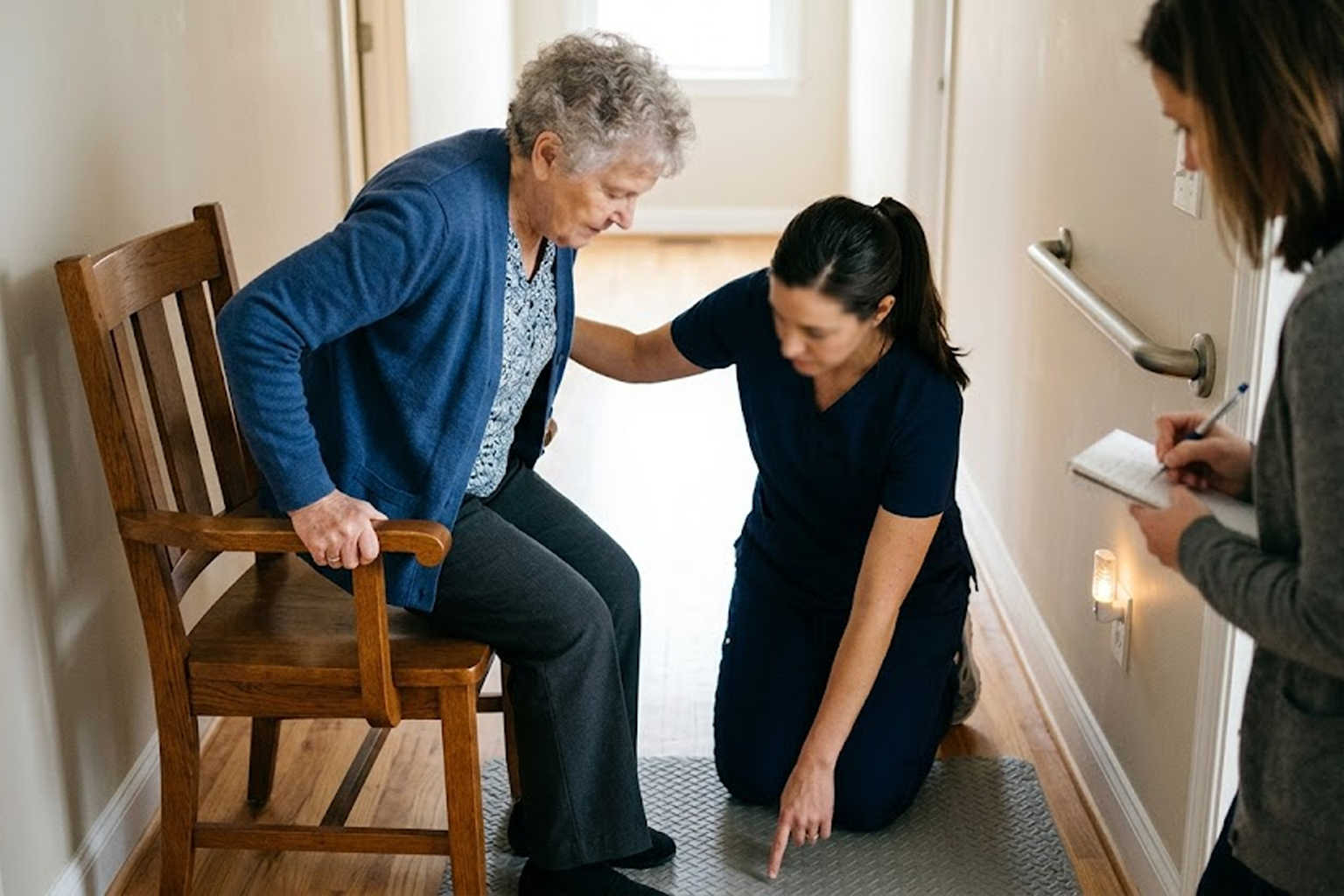
Creating a living environment that supports healing and movement reduces risk and speeds functional improvement. Thoughtful adjustments help people move more confidently while preserving independence. Small changes in layout, lighting, and routine often produce meaningful benefits. This article outlines practical steps to evaluate and adapt a home for safer daily activity.
Assessing Your Space
Start with a focused walk-through that considers common obstacles to safe movement. Look for loose rugs, poor lighting, narrow pathways, and furniture placements that force twisting or reaching. Note transitions between flooring types and any steps or thresholds that might cause trips. Document areas where assistance is needed so you can prioritize changes.
After identifying hazards, consider immediate fixes and longer-term projects. Some issues, like relocating a lamp or clearing a walkway, are low cost and quick to implement. Others, such as widening doorways or installing grab bars, require planning and possibly professional help. Prioritizing based on frequency of use and level of risk helps keep efforts manageable.
Practical Adjustments for Safer Movement
Make targeted adaptations that increase stability and ease movement throughout the day. Improve lighting in hallways and stairs, secure loose mats, and arrange furniture to create clear, straight paths. Use non-slip materials on wet-prone surfaces and ensure seating is at a comfortable height for standing up. Small hardware changes like lever-style handles can also reduce strain.
- Install a nightlight near the bed and in bathrooms.
- Replace throw rugs with secured, low-profile mats.
- Add a stable chair in the shower or near dressing areas.
These practical fixes reduce everyday barriers and help build confidence in movement. Combining environmental adjustments with simple mobility supports creates a safer baseline for recovery.
Daily Routines to Encourage Mobility
Daily habits influence recovery as much as physical changes to space. Create predictable routines that include short, frequent movement sessions and rest periods tailored to tolerance. Place commonly used items at reachable heights to avoid unnecessary bending or stretching. Encourage walking routes through the home that match current ability and gradually extend distance.
Use reminders and visual cues to prompt activity and to reduce sedentary time. Consistency in timing and location of exercises promotes adherence and measurable progress. Tracking small wins each day supports motivation and helps refine the routine over time.
Coordinating With Care Providers
Engage therapists and clinicians in planning environmental changes and routine adjustments. Professional input ensures adaptations align with medical guidance and the individual’s functional goals. A therapist can recommend specific assistive devices, safe transfer techniques, and progressive activity plans. Communication among caregivers, family, and providers keeps changes coordinated and safe.
Follow-up assessments allow modifications as mobility improves and needs evolve. Regular reviews prevent unnecessary limitations and support a gradual return to independence.
Conclusion
Thoughtful space design and predictable routines make daily movement safer and more achievable. Start with simple, high-impact changes and coordinate with professionals for tailored solutions. Consistent small steps in the home environment can meaningfully support recovery and independence.