Small choices about how and when you move at home shape recovery more than sporadic effort. Prioritizing short, manageable activity keeps tissues engaged without provoking flare-ups. Thoughtful timing, posture tweaks, and load management let you keep functioning while avoiding setbacks. These habits are practical, repeatable, and aimed at steady progress rather than dramatic gains.
Start with short, focused movement sessions
Begin recovery days with brief sessions that target range of motion and gentle strength rather than endurance. Four to eight minutes of controlled repetitions for a problematic joint or muscle group reduces stiffness and signals safety to the nervous system. Keep movements slow, avoid sharp discomfort, and breathe consistently to support calm muscle activation. Repeat these micro-sessions several times a day to build tolerance without overwhelming fatigued tissues.
Short sessions also make it easier to fit movement into ordinary routines and sustain momentum. Small wins add up and lower the chance of trying too much at once.
Make your home support safer movement
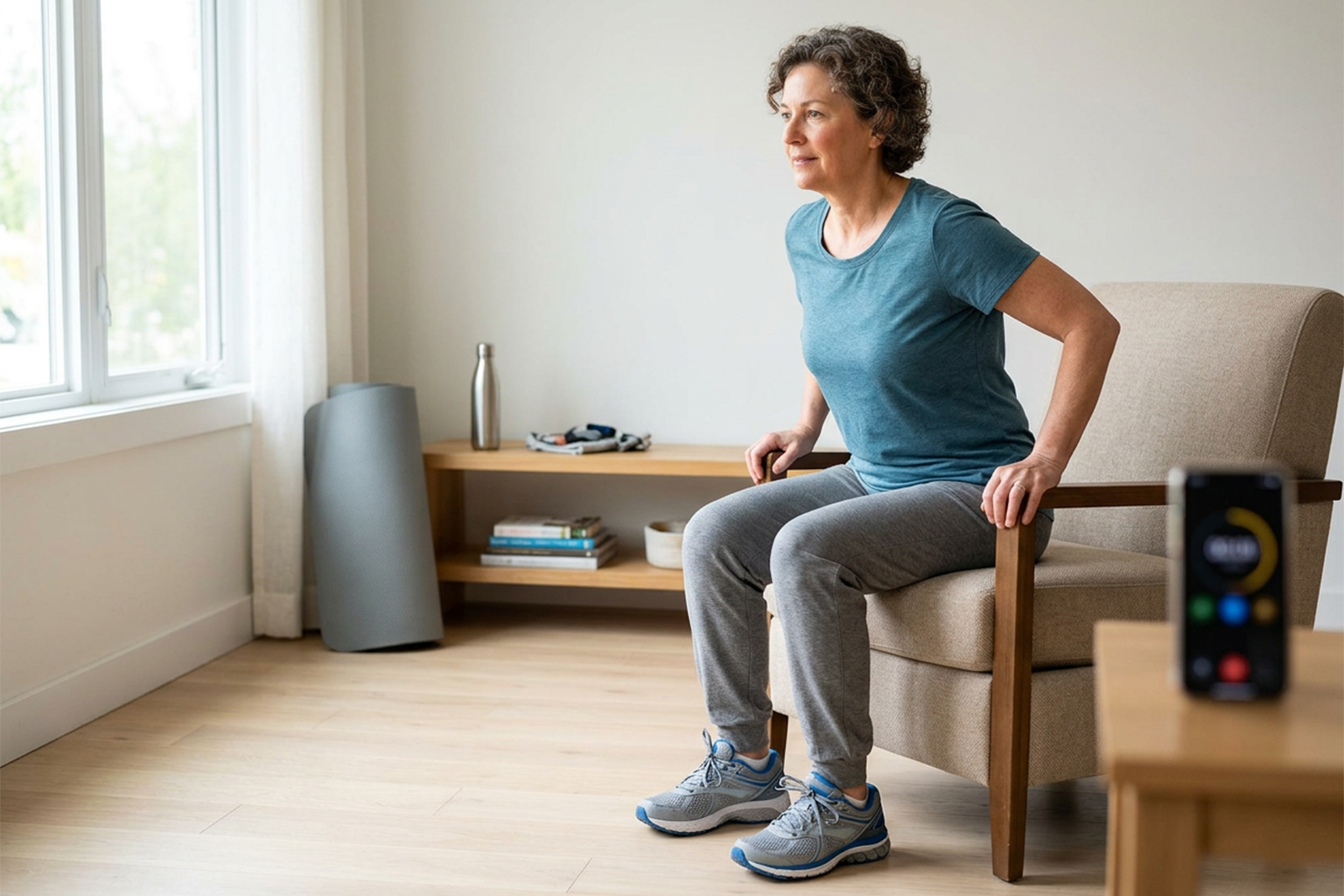
Arrange frequently used items within easy reach and remove loose rugs or cords that invite trips. Good lighting for transitions, a stable chair for sit-to-stand practice, and shoes with predictable grip can change the difficulty of everyday tasks. Pacing matters: break activities into steps with brief rests rather than doing long, tiring chores in one go. These adjustments reduce unnecessary strain and make consistent practice more achievable.
- Clear walkways for predictable foot placement.
- Use a stable surface when rising or lowering.
- Keep frequently used items at waist height.
Small environmental fixes minimize risk and conserve energy for purposeful movement practice. They make progress feel safer and more sustainable over time.
Listen to signals and adjust progression
Pay attention to pain quality, swelling, and recovery time after activity instead of relying on a single number or feeling. Sharp, worsening pain or notable overnight swelling usually means backing off or changing the movement. If soreness is mild and clears in a day or two, you’re likely building tolerance and can progress incrementally. Track simple markers like how long it takes to feel normal after activity and whether daily tasks become easier.
Progression is about small, measurable increases in repetition, range, or load. Regularly reassess and favor steady gains over fast leaps.
Conclusion
Consistent, modest movement choices reduce setbacks and preserve function during healing.
Simple home adjustments support safer practice and make progress feel achievable.
Respect signals from your body and advance in small steps to build lasting confidence.