Lower back strain is a common complaint for people who spend long periods sitting, standing, or performing repetitive tasks. Small daily changes in movement, posture, and recovery can reduce discomfort and improve function over time. This article outlines practical habits that fit into a busy schedule and support a healthier spine. Implementing these consistently is more effective than occasional intensive effort.
Understanding lower back strain
Lower back strain often develops from a combination of muscle fatigue, poor mechanics, and limited mobility rather than a single incident. Identifying contributing factors—like prolonged sitting, weak core muscles, or sudden increases in activity—helps target interventions. Recognize that pain and stiffness are signals to adjust activity and focus on gradual improvement. Staying proactive with simple measures prevents small issues from becoming chronic problems.
Adopting an investigative mindset encourages gentle experimentation to see what helps your body. Keep a short log of activities and symptoms to find patterns and effective strategies. Over time this data guides safer choices and better routines.
Movement and strengthening routine
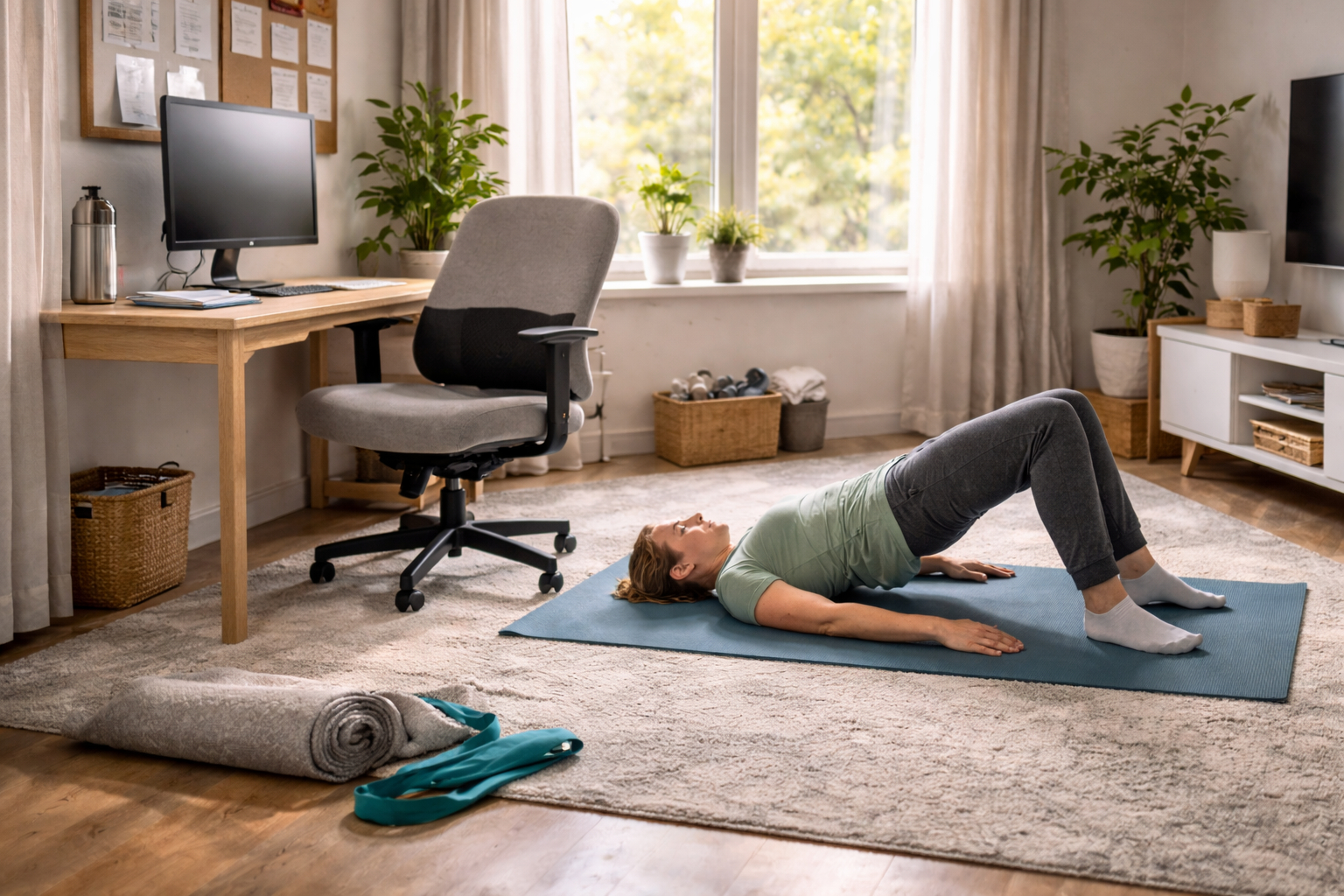
Regular, short movement sessions are more beneficial than occasional long workouts for reducing strain. Aim for brief mobility work three or four times daily: gentle spinal twists, hip openers, and light glute activation exercises. Incorporate foundational strength moves two to three times weekly that target the core, hips, and posterior chain to support the lower back. Consistency and gradual progression are key to avoiding flares.
- Examples: cat-cow, glute bridges, bird-dog, and seated hamstring stretches.
- Start with low repetitions and focus on controlled movement and breathing.
Pairing mobility and strength improves resilience and reduces the likelihood of reinjury. If a movement increases pain, reduce intensity and consult a professional for guidance.
Ergonomics and daily habits
Small ergonomic adjustments at work and home can substantially lower mechanical stress on the lower back. Ensure chairs support the lumbar curve, position screens at eye level, and keep frequently used items within easy reach to avoid twisting or overreaching. Alternate between sitting and standing throughout the day, and set reminders to change posture every 30 to 60 minutes. Foot support and proper shoe choices also influence spinal alignment during standing tasks.
Habits such as lifting with the hips, maintaining a neutral spine when bending, and carrying loads close to the body protect vulnerable structures. Make these techniques second nature by practicing them during routine tasks.
When to seek professional input
Persistent or worsening pain, numbness, or weakness warrants evaluation by a qualified clinician. A professional can rule out serious conditions, recommend targeted exercises, and suggest manual therapies or imaging only when appropriate. Early guidance can shorten recovery time and prevent unnecessary restriction of activity. Use professional advice to tailor an individualized plan that fits your lifestyle.
Combining mindful daily habits with appropriate care creates the best environment for recovery and long-term spinal health. Regular review of progress ensures that habits remain effective as demands change.
Conclusion
Simple, consistent daily habits—movement, strength work, and ergonomic adjustments—can ease lower back strain and improve function. Tracking responses and seeking professional advice when needed helps refine an effective routine. Small changes maintained over time deliver meaningful, lasting benefits.