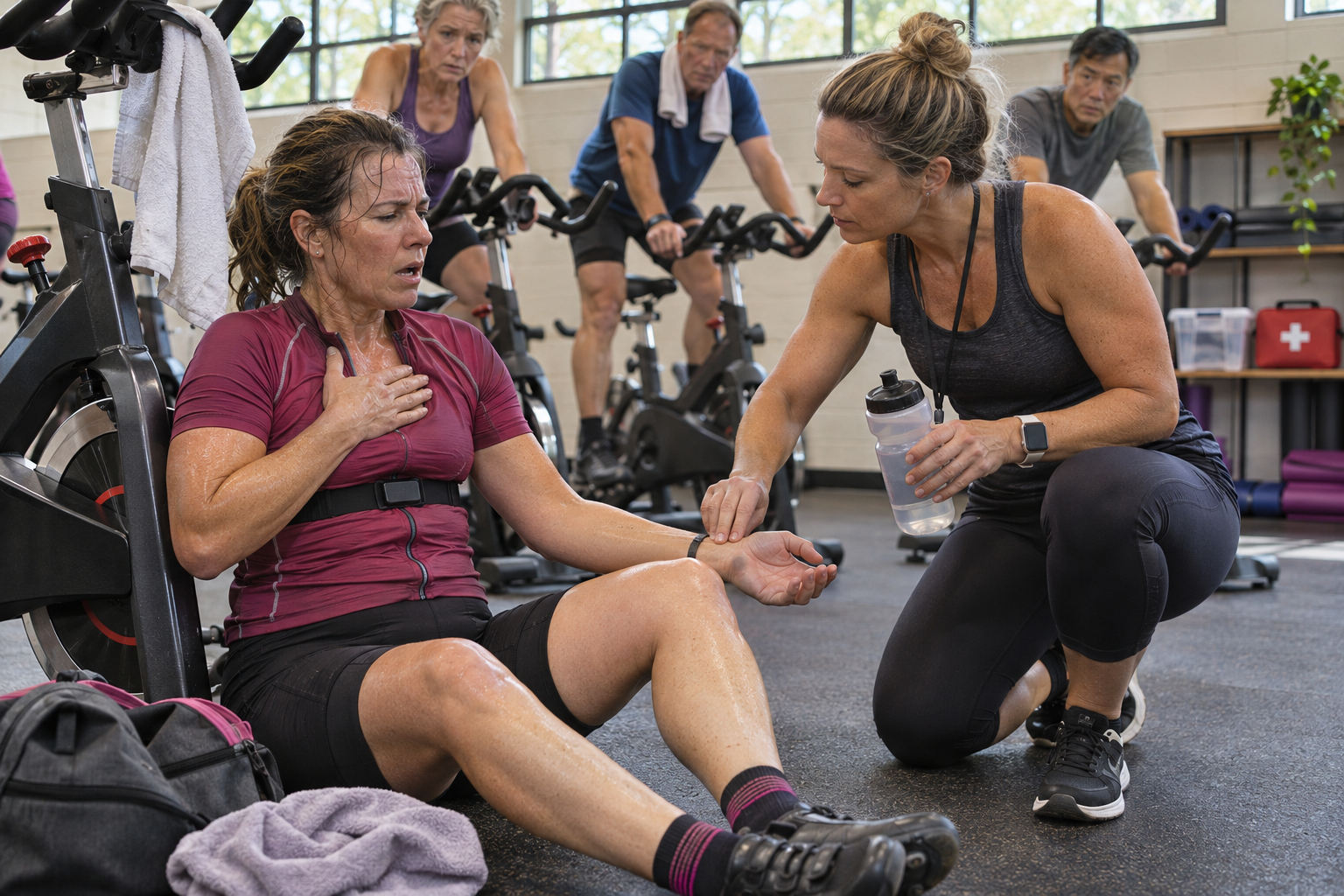
Feeling chest discomfort while working out is unsettling, and not every twinge means a crisis. Some aches come from muscle strain or indigestion, while others hint at a more serious problem. Knowing how to read the differences helps you respond calmly and appropriately. This short guide explains common patterns, immediate steps, and clear signals that warrant medical attention.
How to Tell Mild from Concerning Pain
Musculoskeletal pain related to exercise often feels sharp or localized and worsens with certain movements or pressure. Cardiac-related pain is more likely to be described as pressure, squeezing, fullness, or a heavy ache that may spread to the jaw, neck, shoulder, or arm. Shortness of breath, cold sweat, nausea, lightheadedness, or fainting alongside chest pain raises the concern for a cardiac cause. Background context such as sudden onset during intense exertion or pain at rest should change how urgently you react.
Pay attention to what makes the pain change: activity, breathing, posture, or touching the area. If pain improves quickly with rest and has clear movement triggers, it is less likely to be a heart event, though not impossible. Trust persistent or unusual symptoms and avoid dismissing them.
Immediate Steps If Pain Starts During a Workout
If chest pain begins while exercising, stop activity immediately and sit or lie down to reduce strain on the heart and lungs. Take note of the pain’s quality, location, and any accompanying symptoms like dizziness or breathlessness, and have someone nearby call for help if symptoms are severe. If the discomfort eases within a few minutes and no other worrying signs are present, consider monitoring closely and avoiding further exertion until evaluated.
- Stop exercising and rest.
- Monitor breathing, consciousness, and other symptoms.
- Call emergency services if pain is severe, spreading, or accompanied by fainting, severe breathlessness, or cold sweat.
If you carry prescribed medications for heart conditions, follow instructions about taking them in an emergency and inform responders about your medical history. Prompt, measured action improves safety.
When to Contact a Healthcare Professional
Seek medical attention promptly if chest pain is sudden, severe, or accompanied by shortness of breath, fainting, nausea, or sweating. Also arrange an evaluation if pain recurs with exertion, limits your workouts, or persists despite rest and simple measures. A clinician can run appropriate tests, review risk factors, and help determine whether imaging, stress testing, or other follow-up is needed.
For ongoing fitness plans, clear guidance from a provider can help you return to exercise safely or adjust intensity. Early assessment prevents complications and supports smarter training choices.
Conclusion
Chest pain during exercise should never be ignored, even when it seems minor. Stop activity, note symptoms, and seek urgent care for severe or spreading pain or if other concerning signs appear. Timely evaluation protects your health and helps you return to safe, effective training.