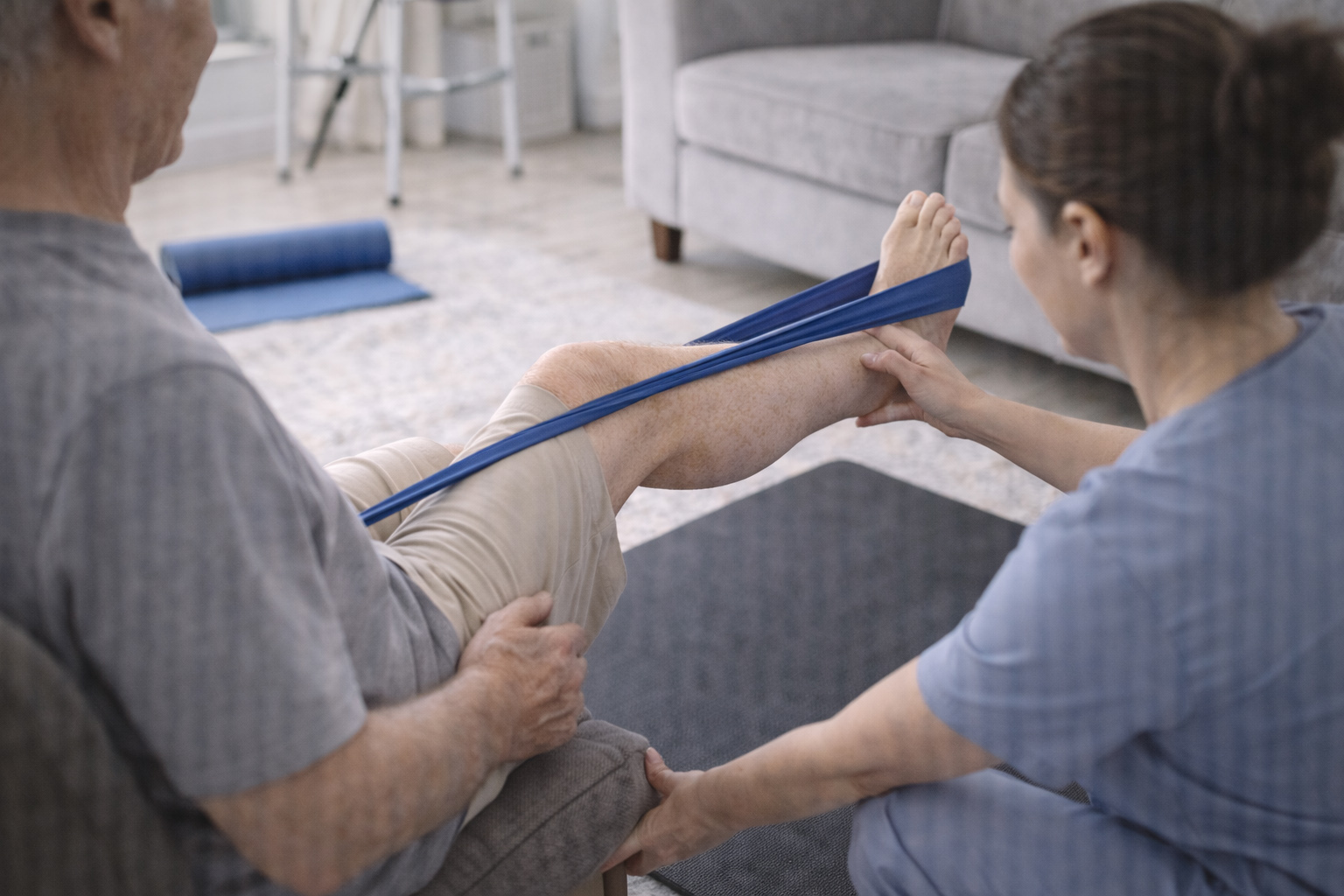
Creating a home exercise routine when you have health restrictions requires careful planning and respect for your body. Start by understanding which movements are safe and which could increase risk, and prioritize consistent, manageable sessions. Small adjustments can make daily activity more effective and sustainable without causing setbacks. A thoughtful approach helps preserve function and supports overall well-being.
Assess your limits and seek guidance
Begin with a realistic assessment of your current abilities, including mobility, balance, pain triggers, and endurance. Consult a qualified healthcare professional or physical therapist when possible to identify specific precautions and recommended modifications. Use simple self-assessments at home, like timed walks or sit-to-stand tests, to gauge baseline capacity and monitor changes over time. Documenting responses to activity helps refine your plan safely.
Clear communication with providers and honest self-monitoring reduce the chances of overexertion. When in doubt, err on the side of gentler progressions and frequent rest breaks.
Design adaptable, low-impact workouts
Choose low-impact, joint-friendly exercises that can be scaled up or down based on daily symptoms. Focus on a balance of strength, flexibility, and aerobic work to maintain function and cardiovascular health without exacerbating conditions. Short sessions performed more frequently often produce better adherence than infrequent intense workouts, and they allow easier adjustment on symptom days. Prioritize movements that support daily activities, like squats for standing or shoulder mobility for reaching.
- Seated or standing strength moves using resistance bands
- Gentle balance drills and core activation exercises
- Controlled, low-impact cardio such as marching in place or seated cycling
Having a small set of go-to variations lets you adapt quickly while keeping progress steady. Rotate exercises to prevent overload and maintain engagement over time.
Monitor progress, safety, and recovery
Track how your body responds during and after exercise, noting pain levels, fatigue, sleep, and mood. Use objective markers like repetition counts, time, or perceived exertion so you can safely increase challenge when appropriate. Incorporate warm-ups and cool-downs to prepare tissues and reduce post-exercise soreness, and schedule rest days to support recovery. If new or worsening symptoms appear, pause the activity and consult a professional before resuming.
Regular review of goals and outcomes helps maintain motivation and ensures the routine remains aligned with health priorities. Small, measurable improvements are meaningful and sustainable over the long term.
Conclusion
Adapting home exercise to health restrictions is about consistent, cautious progress and close attention to safety. With appropriate assessments, flexible programming, and ongoing monitoring, you can improve function without undue risk. Prioritize small gains, rest, and professional input to keep activity both beneficial and sustainable.