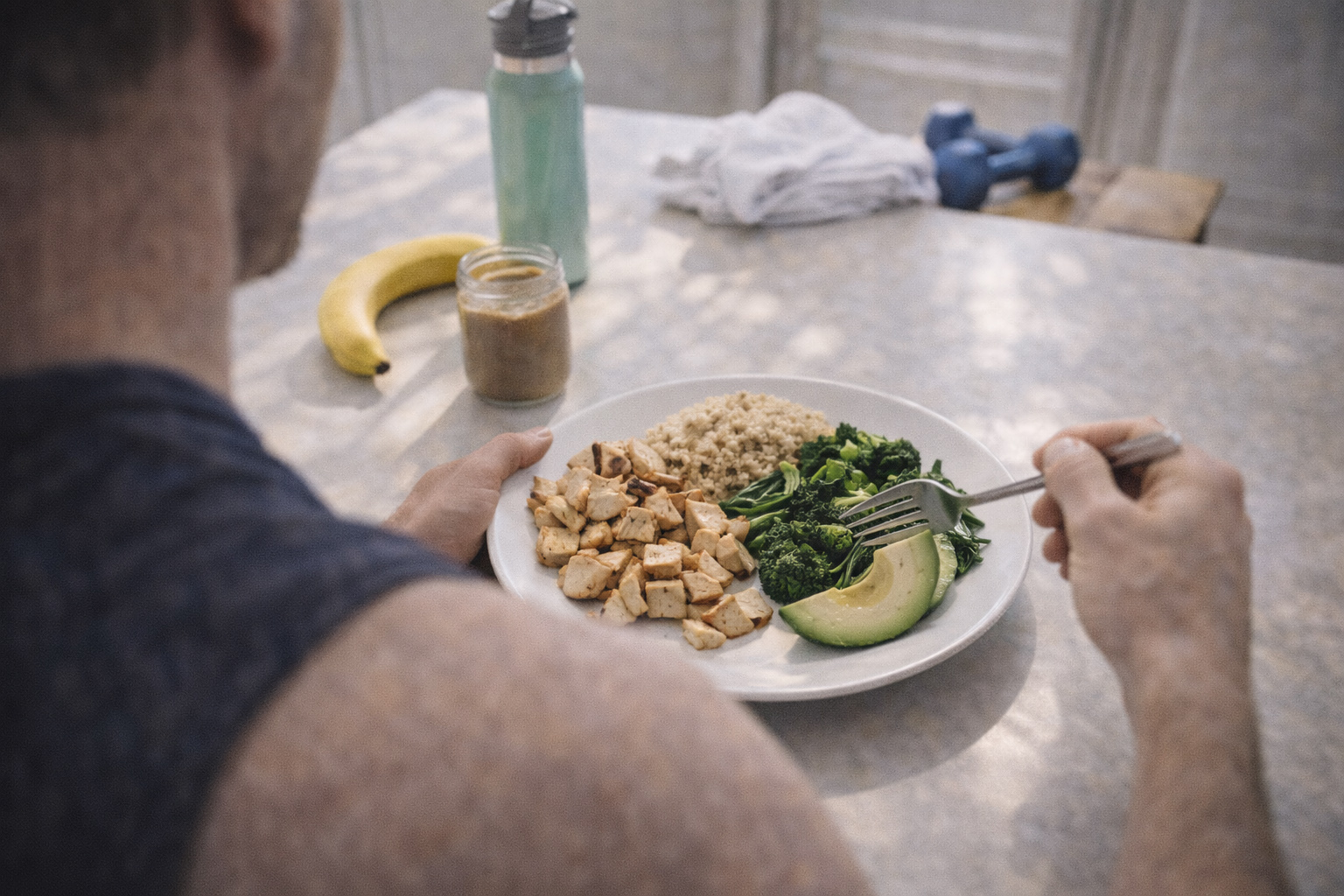
Good nutrition is a cornerstone of effective home workouts and daily energy.
Small changes to timing, portioning, and food choices can improve strength, recovery, and focus.
This article outlines practical strategies you can use in a kitchen and schedule that suit a home routine.
Read on for timing tips, balanced meal ideas, and sustainable snacking to support consistent progress.
Fueling Workouts with Timing
Pre-workout meals should be light, carbohydrate-focused and consumed 30–90 minutes before exercise to supply accessible energy. Experiment with small portions like a banana with nut butter or yogurt with oats to avoid discomfort. For longer or intense sessions, include a moderate protein source to reduce muscle breakdown. Post-workout eating within 45–60 minutes helps replenish glycogen and kickstart repair.
- Pre-workout: small carb + bit of protein (e.g., toast with peanut butter).
- During long sessions: easy carbs (e.g., sports drink or a small energy bar).
- Post-workout: protein-rich snack or meal within an hour.
Consistent timing creates predictable energy and recovery patterns. Adjust portion sizes based on intensity and personal tolerance.
Building Balanced Meals
A balanced plate combines lean protein, whole grains or starchy vegetables, and colorful vegetables for vitamins and fiber. Proteins support repair and satiety while complex carbohydrates provide sustained energy for workouts and daily tasks. Include healthy fats in moderation for hormonal balance and nutrient absorption. Preparing portions ahead of time simplifies adherence on busy days.
- Sample plate: grilled protein, quinoa, steamed greens, and a small avocado slice.
- Meal prep tip: batch-cook a protein and two vegetable options to mix and match.
- Portion guide: fill half the plate with vegetables, a quarter with protein, a quarter with complex carbs.
Aim to customize portions to your goals—more carbs for high-volume training, more protein for strength focus. Use simple meal templates to save decision-making energy.
Snack and Hydration Strategies
Snacks bridge gaps between meals and can preserve performance when chosen intentionally. Choose snacks that combine carbohydrates and protein and are portable for at-home convenience, such as Greek yogurt with fruit or hummus with whole-grain crackers. Hydration affects concentration and muscle function; drink regularly and include electrolytes during long sessions or in warm conditions. Keep a water bottle nearby and monitor urine color as a simple hydration cue.
- Quick snacks: cottage cheese with fruit, a boiled egg and an apple, or a small trail mix with nuts and dried fruit.
- Hydration tip: sip water consistently and add a pinch of salt or an electrolyte tablet for extended workouts.
Regular, nutrient-focused snacks prevent energy dips and overeating at main meals. Make hydration a consistent habit aligned with activity levels.
Conclusion
Small, consistent nutrition changes yield steady improvements in home workout performance.
Prioritize timing, balanced plates, and smart snacks to sustain energy and recovery.
Adjust strategies to personal needs and keep the approach practical for long-term success.