Living with persistent muscle or joint pain often means rethinking daily routines and the spaces where you spend most of your time. Small, consistent changes in posture, movement patterns, and the setup of your environment can reduce strain and support recovery. This article outlines practical, low-impact steps you can adopt at home to gradually rebuild strength and improve comfort. The suggestions are adaptable and meant to be integrated into everyday life without dramatic disruption.
Begin by observing which activities or setups cause discomfort, then select one or two changes to try for a week. Track how you feel with each change and adjust pace accordingly.
Set Up Your Space for Safer Movement
Arranging key areas to minimize awkward positions helps reduce repetitive stress on joints and muscles. Focus on frequently used zones: your work surface, seating, and sleep area. Aim for neutral joint positions—hips and knees at comfortable angles, screen height that avoids neck strain, and easy access to commonly used items. Good lighting and clear pathways also lower the risk of sudden movements that provoke pain.
- Place commonly used items within arm’s reach to avoid repetitive reaching.
- Use a chair with lumbar support, or add a small cushion to support a neutral spine.
- Adjust screen height so the top third of the display is near eye level.
These adjustments are low-cost and reversible, and they often deliver noticeable comfort gains within days. Keep changes simple and test one area at a time to identify what helps most.
Pace Activity and Build Strength Gradually
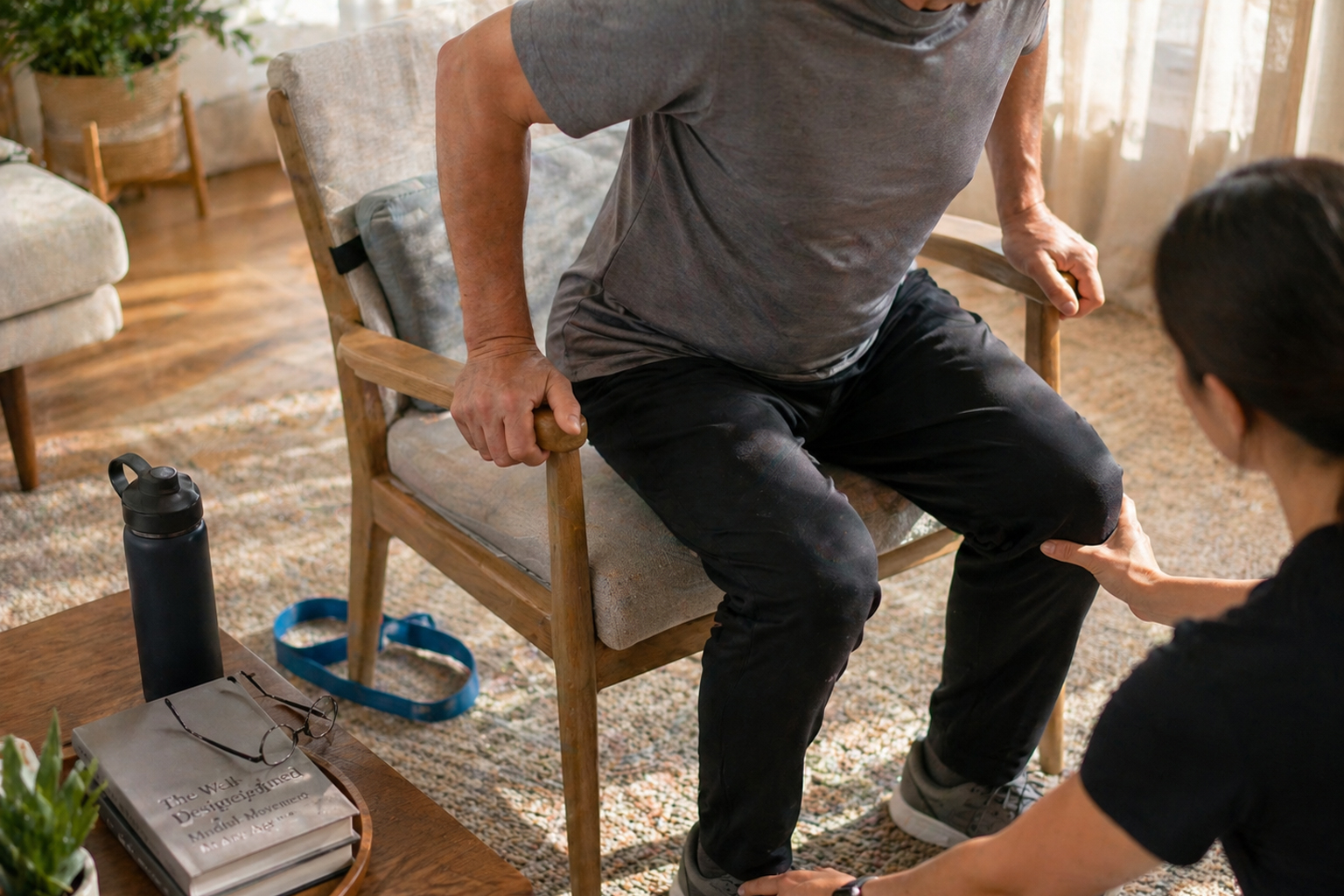
Pacing means balancing activity bursts with planned rest to prevent flare-ups while still challenging tissues enough to recover. Start with short, frequent activity sessions instead of long periods of continuous effort. Gentle strengthening exercises that target stability around painful joints help redistribute load and improve function. Work on basic movements—sit-to-stand, controlled step-ups, and shoulder blade squeezes—progressing duration or resistance slowly.
- Schedule 5–10 minute activity breaks every hour during long sedentary tasks.
- Choose low-impact options like seated leg lifts or wall push-offs to begin.
Consistency beats intensity for long-term gains; gradual progression reduces the risk of setbacks. If you notice persistent worsening, scale back and consult a clinician for guidance.
Daily Micro-Routines and Recovery Habits
Micro-routines are brief, repeatable actions that protect joints and maintain mobility across the day. Examples include short mobility sequences after waking, gentle stretching mid-afternoon, and a calm wind-down that reduces muscle tension before bed. Pair these habits with sleep hygiene and adequate hydration to support tissue repair. Mindful breathing and brief relaxation breaks can also lower pain sensitivity and improve tolerance for activity.
Build micro-routines around activities you already do, like pairing a standing balance exercise with making coffee. Small, integrated habits are easier to sustain and yield compounding benefits over weeks.
Conclusion
Thoughtful adjustments to your home environment and routines can meaningfully reduce strain and support recovery over time. Prioritize small, maintainable changes, pacing activity while gradually building strength. Monitor progress and tweak strategies so they fit your daily life and goals.