If a sudden injury from a home workout sends you to the emergency room, the bills and paperwork can arrive faster than relief. Knowing how insurers treat those visits helps you avoid surprises and speed up reimbursement. This article walks through practical steps after an ER trip, what insurers typically look for, and ways to reduce out-of-pocket costs. Read these tips before your next sweat session so you’re prepared if something goes wrong.
Immediate steps after an ER visit
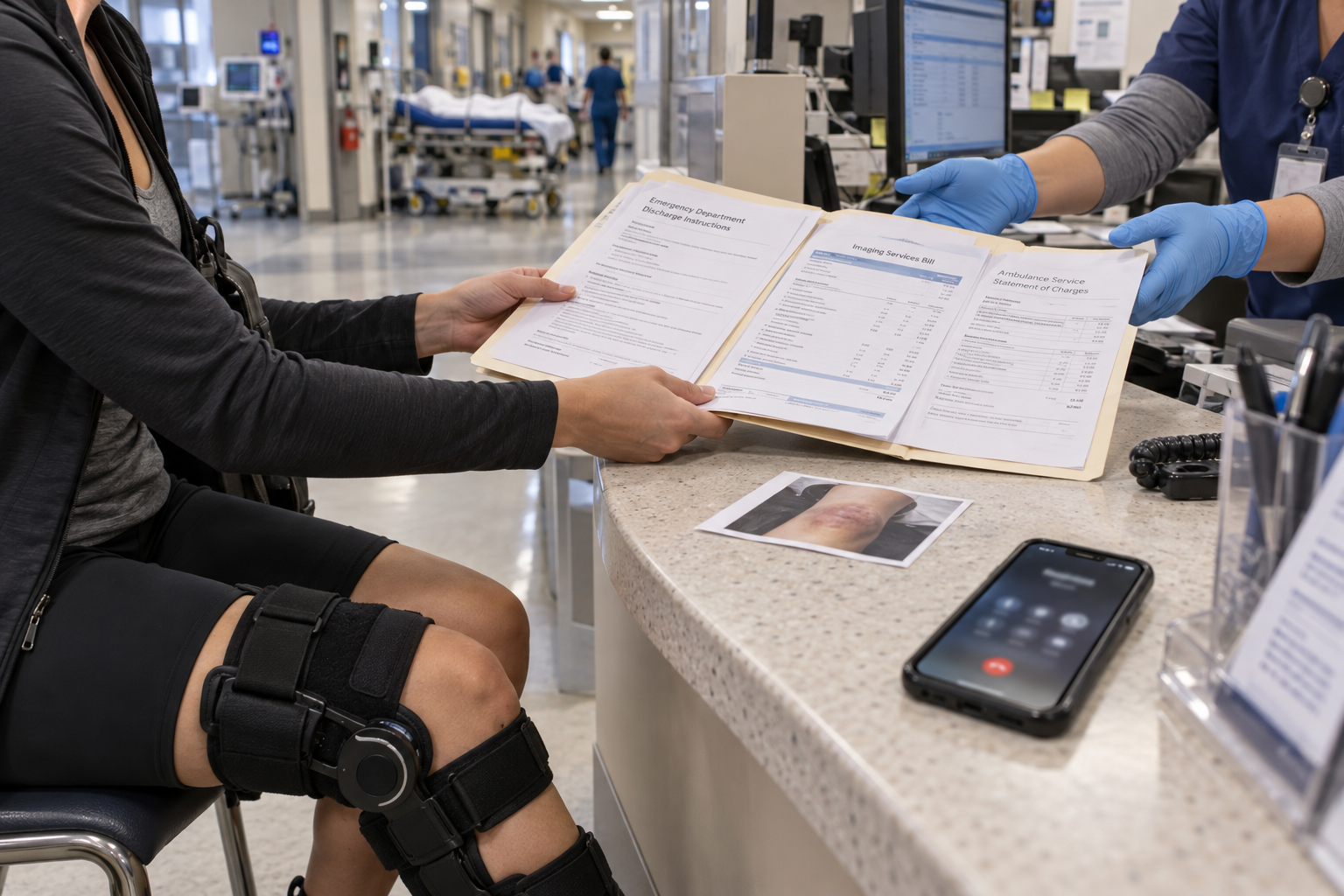
Get a clear record from the hospital before you leave: the diagnosis code, treatment performed, and any recommended follow-up care. Take photos of visible injuries if relevant and keep receipts for ambulance, imaging, or medications. Call your insurer promptly to report the claim and ask whether prior authorization is needed for follow-up services. Early communication prevents denials and clarifies whether the visit is treated as emergency care under your plan.
Keep the ER discharge paperwork organized in a single folder or digital scan. That makes it easier to respond to requests and share documents with your claims representative.
How insurers evaluate workout-related claims
Insurers look for medical necessity and appropriate coding when deciding payment. They compare the documented diagnosis and treatment against their policy terms — for example, whether the ER visit met the plan’s definition of emergency. Coverage can also depend on provider network status and whether services were preauthorized when required. Missing or inconsistent documentation is the most common reason for delays or partial payments.
If a claim is denied, ask for a detailed explanation in writing and the appeal process timeline. Many denials are resolved after providing clarifying records.
Practical ways to limit out-of-pocket costs
Confirm network status for any specialists you’ll need and choose in-network follow-up care when possible. Understand how your deductible, copays, and coinsurance apply to emergency versus outpatient treatment. If equipment failure or a third party caused the injury, document that circumstance — other insurers or liability policies might share the cost.
- Save ER discharge notes and itemized bills.
- Request diagnostic test reports and imaging copies.
- Get provider names and facility tax IDs for claims.
- Keep appointment and billing dates clearly recorded.
These habits make appeals smoother and reduce the chance you’ll pay more than necessary. Timely paperwork and informed provider choices matter.
Conclusion
ER visits after home workouts can be unsettling, but basic preparation keeps your financial exposure smaller. Quick documentation, early insurer contact, and in-network follow-up often make the difference. Keep records and ask questions so bills stay manageable and care continues without unnecessary delays.