Understanding how medical insurance applies to home-based care can save time and money. Policies vary widely but share common categories that determine what is paid for. This article outlines typical coverage areas, steps to confirm benefits, and how to handle costs. It aims to help you ask the right questions of your insurer and provider. Keep documentation and doctor support handy when you request benefits.
What types of home care expenses might be covered?
Many insurers cover medically necessary services delivered at home when a doctor certifies need. Typical items include skilled nursing visits, physical or occupational therapy, and some durable medical equipment. Coverage often depends on the plan’s definition of “home health” and the treatment goals. Routine personal care or general fitness equipment is rarely included.
- Skilled nursing visits for wound care or medication management
- Therapies such as physical, occupational, or speech therapy
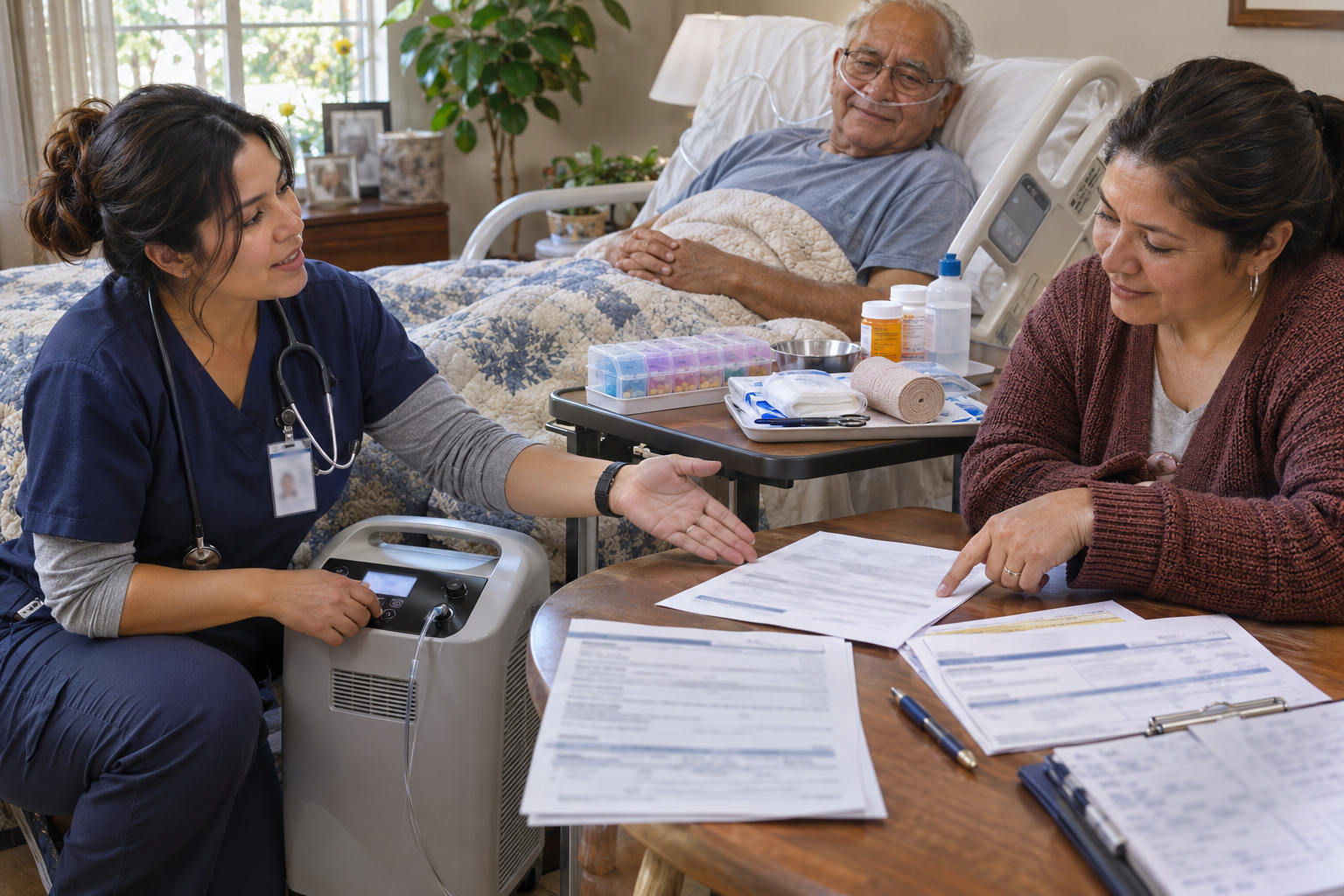
- Durable medical equipment like hospital beds or oxygen
Coverage terms, visit limits or medical necessity requirements are common restrictions. Always check whether services must be prescribed and supplied by in-network providers. If costs are unclear, ask the provider for an itemized estimate before services start.
How to verify coverage and get prior authorization
Call insurer’s member services and ask for the specific benefit for home health services; request plan documents if unclear. Ask for prior authorization requirements, length of coverage, and any maximums on visits or dollar amounts. Request written confirmation and a reference number for any verbal approvals. Having the treating clinician submit a treatment plan speeds review.
Keep copies of referrals, notes, and authorizations in case of disputes. Clear documentation makes billing and appeals simpler. Note any differences between in-network and out-of-network charges.
Out-of-pocket costs, documentation, and appeals
Even when services are covered, deductibles, copays, or coinsurance can apply. Durable equipment may require rental periods or evidence of medical necessity to qualify for full coverage. If a claim is denied, insurers typically explain the reason and the appeal process. Timely appeals supported by clinical notes and a physician’s letter improve the chance of reversal.
- Collect clinical notes and the original referral
- Ask the provider to submit supporting documentation
- Follow insurer timelines and keep dated copies
Work collaboratively with your provider’s billing team; they often navigate insurer requirements daily. If appeals fail, an external review option may exist. Noncovered items should be clearly listed so you can plan alternatives.
Conclusion
Know what your plan defines as medically necessary and who must provide services. Confirm benefits in writing, gather supporting documentation, and ask about costs before services begin. These steps reduce surprises and improve chances that needed home care will be covered.