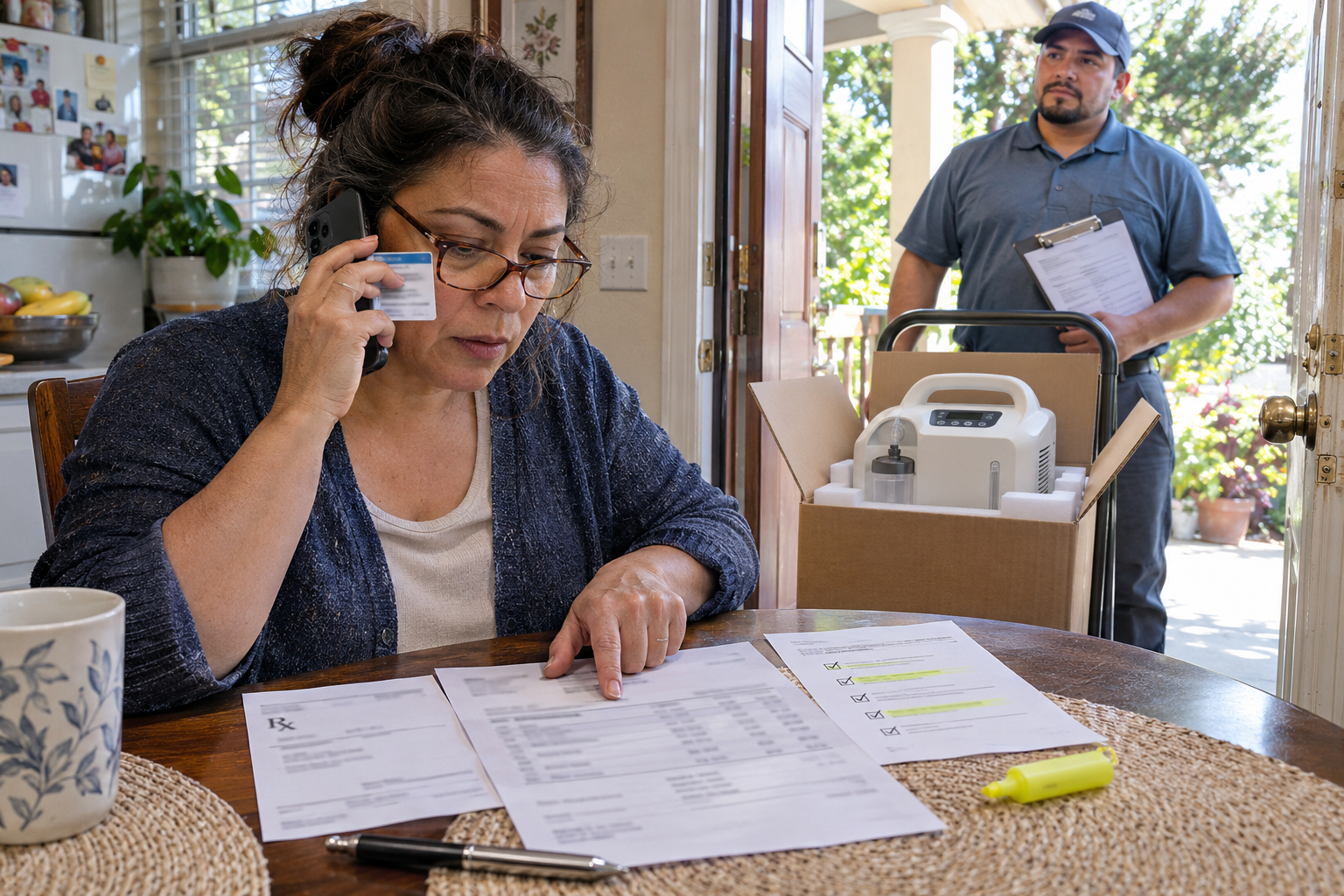
Figuring out what your medical insurance will pay for at-home equipment and services can feel overwhelming. Plans vary wildly: some cover rentals, others cover purchases, and many require specific paperwork. This article breaks down common coverage categories, explains how to confirm benefits, and highlights documentation that matters for a successful claim. Read on to get practical steps you can use before you purchase or schedule care.
What policies commonly cover
Most policies that include in-home benefits focus on items deemed “durable medical equipment” (DME) when ordered by a clinician. Examples often covered are oxygen systems, hospital beds, wheelchairs, and certain therapy supplies, though coverage depends on the plan and medical necessity. Short-term skilled nursing or home health visits are sometimes covered after a hospital stay, again with limits and eligibility rules. Prescription, prior authorization, and provider network status all influence whether a claim will be paid.
- Typically covered: DME with a doctor’s order, post-hospital home health visits, certain home therapies.
- Often excluded or limited: general exercise equipment, convenience items, long-term custodial care.
- Key requirement: a clear prescription and documentation of medical necessity.
Knowing these general categories helps you ask the right questions when talking to your insurer or supplier. Coverage language in your plan documents will state specific limits and exclusions you must follow.
How to verify coverage before you buy
Start by calling the phone number on your insurance card and asking about coverage for the specific item or service you need. Provide model names, HCPCS or CPT codes if available, and request the requirements for prior authorization or medical records. Ask the insurer to send written confirmation or a reference number for the conversation so you have a record. Contact the supplier or home health agency too — experienced vendors can often tell you what documentation insurers require.
Getting clear, written answers upfront reduces surprise bills and speeds approval. If the supplier offers to submit claims on your behalf, confirm they will bill your insurer directly.
Submitting claims and supporting documentation
Successful claims usually include a treating clinician’s prescription, clinical notes showing need, and an itemized invoice with correct billing codes. Ensure the supplier is enrolled with your plan and that invoices use the insurer’s required HCPCS/CPT codes. If a claim is denied, ask for a denial letter explaining the reason and the appeal process and deadlines. Appeals often succeed when additional medical records or a physician letter demonstrating necessity are provided.
- Document checklist: prescription, clinical notes, itemized bill, prior authorization if required.
- Tip: keep copies of all phone calls and written communications.
Organized records make disputes quicker to resolve and increase the chance of reimbursement. An appeal can overturn denials when the documentation clearly shows medical necessity.
Common pitfalls and how to avoid them
Frequent mistakes include skipping prior authorization, buying equipment from out-of-network suppliers, or assuming all suppliers accept assignment of benefits. Renting versus buying has different rules, so confirm which the plan prefers. Reused or non-standard equipment may be denied without proper justification. Finally, watch for plan-specific time limits and dollar caps that affect long-term coverage.
Ask explicit questions about rental periods, purchase options, and any expected patient cost-share. When in doubt, get the insurer’s requirements in writing before committing financially.
Conclusion
Take time to verify coverage, request written confirmations, and collect the required medical documentation. Work with suppliers who understand insurer rules and can submit accurate claims for you. Clear records and timely appeals increase the chances that necessary home-based care will be covered.