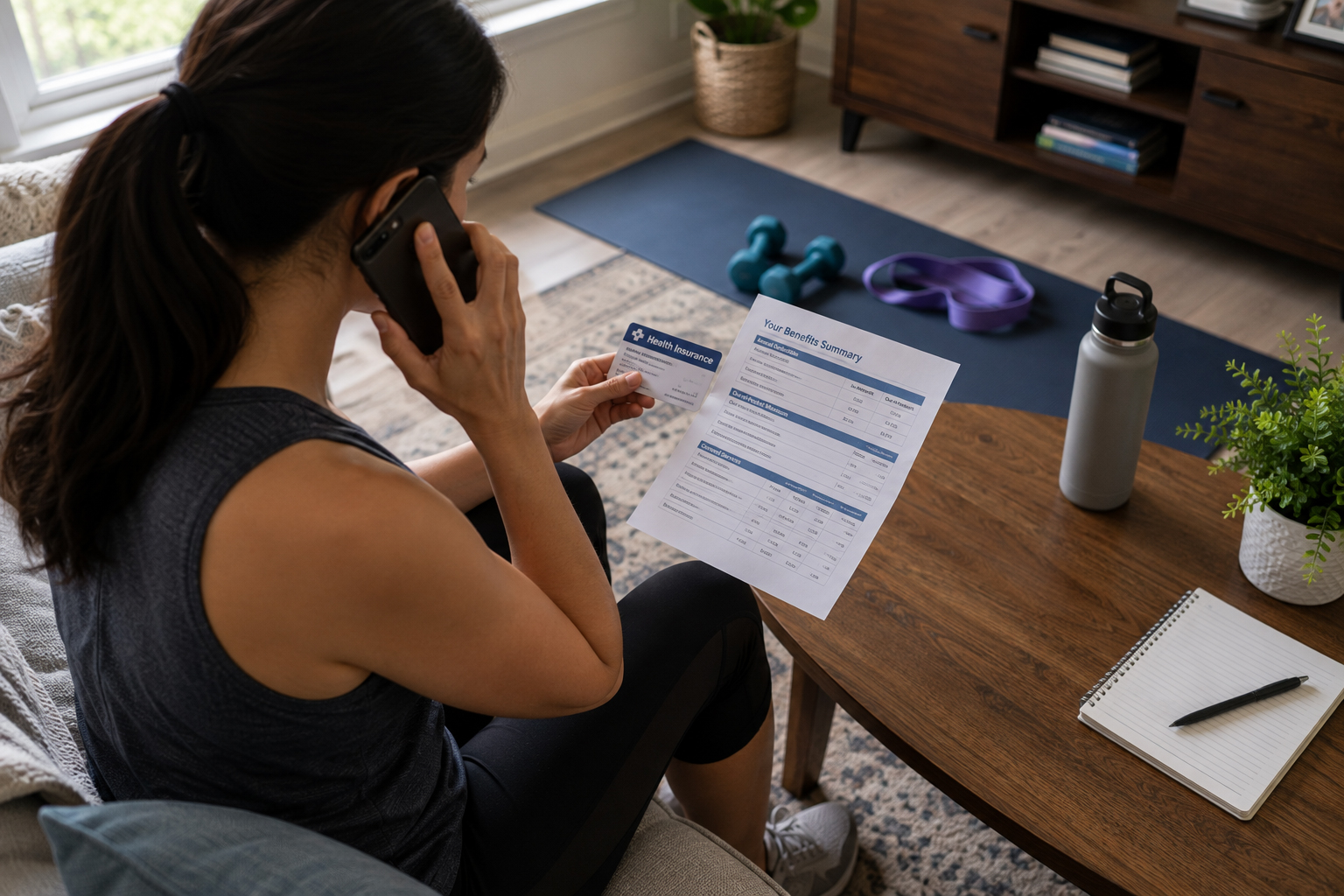
Choosing the right health plan matters when you exercise at home regularly, because coverage details determine how easily you can access care after an injury or for preventive services. Reviewing benefits, networks, and therapy limits ahead of time reduces surprises and can protect your health finances. This article outlines practical points to check so home exercisers can pair an active routine with sensible coverage. Use these guidelines to make informed conversations with your insurer or broker.
Coverage Basics to Check
Start by confirming what types of care the plan covers for musculoskeletal injuries and acute events. Look at emergency care, urgent care, primary care visits, and any exclusions related to sports or exercise injuries. Pay attention to deductibles, coinsurance, and out-of-pocket maximums since these determine your immediate costs after an incident. Also check whether diagnostic imaging and specialist consults require prior authorization.
Knowing these basics helps you anticipate costs and avoid claim denials for routine follow-up care. Keep a simple checklist of covered services to reference after an injury.
Network and Provider Access
Network rules influence how quickly you can see a physiotherapist, orthopedist, or pain specialist after a workout injury. Verify in-network providers near you and whether telehealth options are accepted for initial assessments. If you prefer specific therapists, confirm whether the plan requires referrals to see them and how many sessions are covered each year. Out-of-network care can be far more expensive, so double-check policies before scheduling treatment.
Choosing a plan with flexible provider access reduces delays in receiving appropriate care. If network options are limited, consider plans with broader provider access or an out-of-network safety net.
Rehabilitation, Therapy, and Durable Medical Equipment
Rehab services and durable medical equipment (DME) are often central to recovering from exercise injuries sustained at home. Review limits on physical therapy visits, occupational therapy, and any cap on annual sessions. Check whether braces, supports, or home-use devices require a prescription and whether the plan covers rental versus purchase. Some plans offer additional benefits for preventive therapy or wellness programs that support recovery.
Understanding rehab and DME coverage lets you plan recovery timelines and budget for uninsured items. Ask your insurer about appeal processes if coverage is initially denied.
Documentation and Claims Process
Accurate documentation speeds claims and reduces disputes when you need care after a home workout injury. Keep records of dates, symptoms, provider notes, and any referrals or authorizations. Submit itemized bills promptly and follow insurer guidance on preauthorization for surgeries or imaging. Familiarize yourself with timelines for filing claims and avenues for internal appeals.
Clear documentation and timely submissions improve the chance of full reimbursement and smoother interactions with your plan. Create a digital folder to store relevant records for easy retrieval.
Practical Steps to Prepare Your Plan
Before committing to a new routine, call your insurer to confirm coverage specifics and request written confirmations when possible. Consider supplemental or short-term coverage for high-deductible plans if you anticipate frequent therapy. Learn about telehealth options and employer-sponsored wellness benefits that may reduce out-of-pocket costs. Keep emergency and primary care contacts handy so you can act quickly if an injury occurs.
Proactive planning lowers stress and financial impact when incidents happen. Regularly revisit your benefits during open enrollment to align coverage with evolving fitness habits.
Conclusion
Active home exercisers gain security by reviewing plan details for injuries, rehab, and provider access before an incident. Document interactions, confirm authorizations, and plan for potential out-of-pocket costs to avoid surprises. Small preparations can make care faster and more affordable when you need it most.