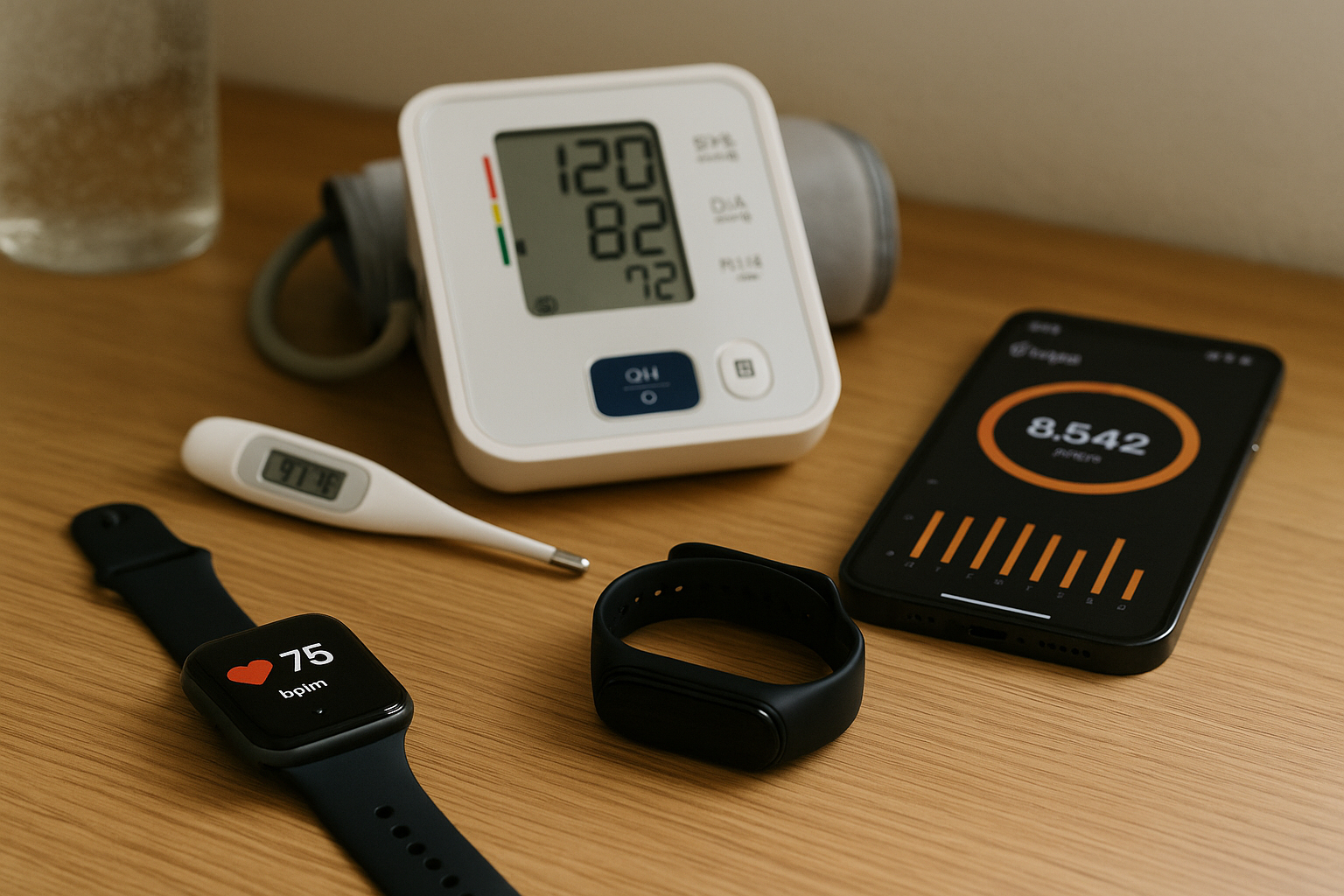
The rise of Internet of Things (IoT) devices is reshaping the way health insurers evaluate risk, set premiums, and deliver personalized care. Wearables, smart medical tools, and connected home monitoring systems now provide real-time health insights that were never before accessible. These data-driven tools are enabling insurers to shift from traditional pricing models toward dynamic, behavior-based structures. As IoT adoption grows, health insurance is becoming more personalized, proactive, and closely aligned with individual lifestyle patterns.
Personalized Risk Profiles Through Real-Time Data
IoT devices such as fitness trackers, smartwatches, glucose monitors, and blood pressure sensors capture key health indicators around the clock. Instead of relying solely on annual checkups or self-reported information, insurers can use this continuous data to build more accurate risk profiles. Activity levels, heart rate trends, sleep quality, and diet-related metrics help illustrate a clearer picture of a person’s wellness. This allows insurers to design pricing models that reward healthy habits and promote long-term well-being.
Encouraging Healthier Behaviors Through Incentives
Dynamic insurance pricing often includes incentives for maintaining healthier routines. Users who consistently meet activity goals, track vital signs, or follow treatment plans may receive reduced premiums or additional wellness benefits. This approach transforms insurance from a reactive system—responding only when illness occurs—to a proactive partnership that motivates individuals to stay healthy. IoT-driven rewards programs are becoming a powerful tool for improving overall population health.
Early Detection and Improved Care Management
IoT devices play a major role in identifying potential health issues before they escalate. Smart monitoring systems can detect irregular heart rhythms, rising glucose levels, or sudden changes in vital signs. When integrated with insurer care programs, this early detection can trigger timely medical interventions, reducing both patient risk and long-term costs. For chronic conditions, IoT-based insights support better disease management and reduce hospitalization rates—directly impacting how insurers evaluate long-term risk.
Challenges Around Privacy and Data Security
While IoT devices offer powerful benefits, they also raise concerns regarding data privacy and security. Consumers may be hesitant to share sensitive health information, especially when it influences insurance pricing. Clear communication, strong data protection policies, and transparent consent processes are essential to building trust. Insurers must balance the value of real-time data with the responsibility of protecting customer information.
Conclusion
IoT devices are transforming health insurance by enabling more accurate pricing, incentivizing healthier lifestyles, and improving long-term care management. As technology advances, dynamic pricing models will continue to evolve—shifting insurance toward a more personalized, proactive, and wellness-focused experience. When implemented responsibly, IoT-driven insights have the power to benefit both insurers and individuals, creating a healthier future for everyone.