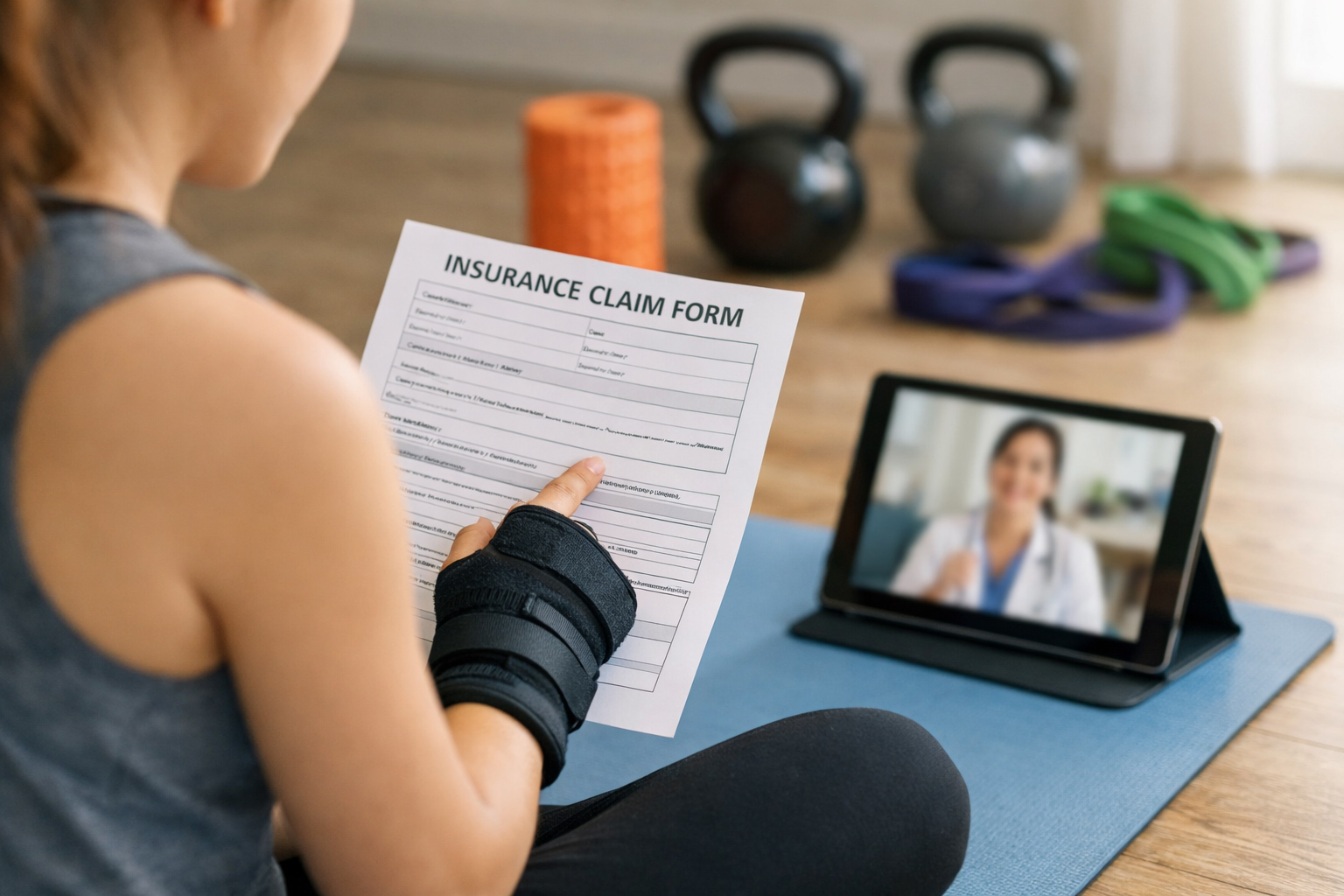
Choosing medical insurance that complements a home fitness routine means looking beyond premiums and networks.
Start by understanding what your plan covers for outpatient care and minor injuries related to exercise.
Consider preventive services, telehealth availability, and rehabilitation benefits that keep you active and healthy.
A focused review of these features helps you avoid surprises when you need care.
Understanding Policy Basics
Begin with the fundamentals: deductibles, copayments, coinsurance, and provider networks all affect out-of-pocket costs for care after a home workout injury.
Check whether physical therapy, diagnostic imaging, or urgent care visits require prior authorization or meet specific limits. Familiarize yourself with in-network versus out-of-network rules to minimize unexpected bills. Reviewing benefit summaries and drug coverage can reveal gaps that matter if you need medication for a sports-related issue.
Preventive Care and Telehealth Benefits
Preventive care and telehealth services are particularly valuable for people who train at home and want to manage risks proactively.
Look for plans that cover wellness visits, routine screenings, and virtual consultations without large copays. Telehealth can quickly triage sprains or strains and advise whether in-person follow-up is necessary. Prioritizing these benefits can reduce downtime and provide timely guidance for exercise-related concerns.
Rehabilitation, Equipment, and Specialist Access
Access to physical therapy and musculoskeletal specialists is essential after an injury sustained during home workouts.
Verify visit limits, whether therapy requires a referral, and how durable medical equipment like braces or supports is covered. If you use a personal trainer or follow a performance plan, check whether your insurer offers partnerships or discounts for approved services. Knowing referral and authorization requirements keeps rehabilitation on track and avoids claim denials.
Filing Claims and Documenting Incidents
Accurate documentation and timely claim filing improve the odds of reimbursement after an exercise-related visit.
Keep records of the incident, photos of the environment if relevant, and copies of medical notes and billing codes. Learn your insurer’s appeals process in case a claim is denied and maintain a log of communications with providers and the insurer. Being organized simplifies claims and speeds resolution.
Conclusion
Review plan details for outpatient care, telehealth, and rehabilitation to ensure your coverage supports home fitness. Compare costs, authorization rules, and provider access before enrolling. A plan matched to your routine reduces financial risk and helps you stay active safely.