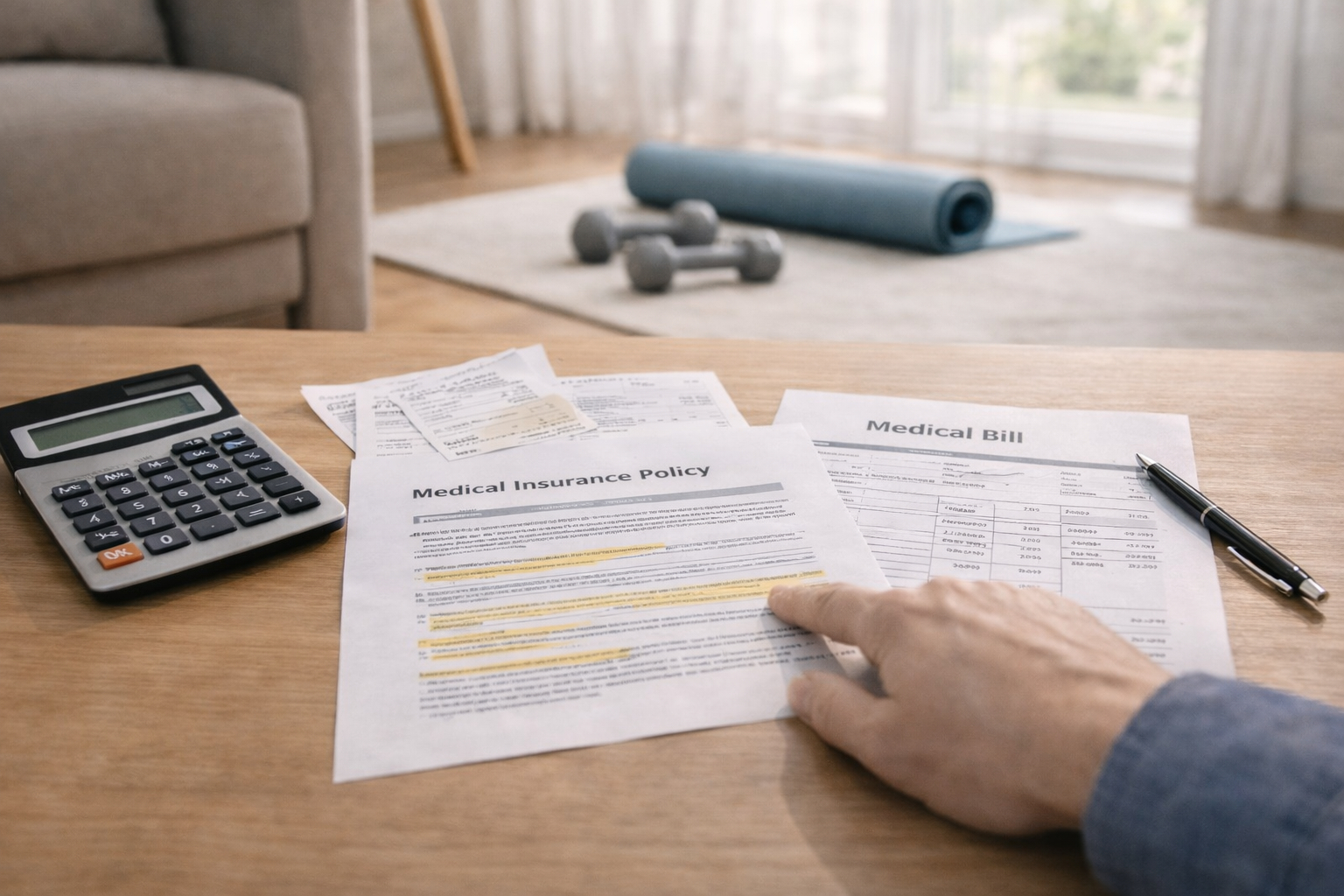
More people are choosing home workouts for convenience, privacy, and flexibility, and that shift makes medical coverage considerations more important. While many injuries are minor, unexpected events can lead to medical bills or rehabilitation needs that intersect with insurance limits. Understanding how typical policies treat home-based exercise incidents helps you choose and use coverage more effectively. This article explains practical aspects of medical insurance relevant to people who regularly train at home.
Assessing coverage proactively reduces surprises after an incident and supports continued safe exercise. Read on to learn what to check in a policy and how to prepare for potential claims.
Why coverage matters for home fitness
Home workouts remove many barriers to consistent exercise but also change the context in which injuries occur. Policies sometimes differentiate between injuries sustained in supervised facilities and those at private residences, and those distinctions can affect reimbursement. Additionally, recovery often involves services like physiotherapy or durable medical equipment, which may have separate limits or preauthorization requirements. Knowing how a plan treats these categories helps you anticipate out-of-pocket costs.
Being informed about coverage encourages safer choices and helps you budget for preventative care or supplemental options when necessary. It also reduces delays in receiving appropriate treatment when an injury happens.
Key policy elements to review
Start by confirming basic elements such as deductible, coinsurance, and out-of-pocket maximums, since these determine your financial exposure after a claim. Check whether your plan includes coverage for outpatient rehabilitation, durable medical equipment, and telemedicine visits, all of which are often relevant after exercise injuries. Examine exclusions related to activities classified as high-risk and read the fine print on home-based incidents to see if any clauses apply. If you use contractors or trainers at home, verify whether liability or home-business clauses affect coverage.
- Deductibles and coinsurance levels
- Rehabilitation and durable equipment limits
- Telemedicine and emergency care provisions
Comparing these elements across plans lets you prioritize coverage that aligns with your training habits and health goals. Small differences in benefits can have a large impact on total costs after an injury.
Documentation and claims for home exercise incidents
When an injury occurs, prompt documentation helps support a smooth claim. Keep records such as medical notes, photos of the incident scene or equipment, receipts for related purchases, and detailed timelines of symptoms and treatment. If you consult a trainer or perform a supervised session at home, document that interaction to clarify context. Early communication with your insurer about next steps and required paperwork prevents common delays.
Organizing records also aids appeals if an initial claim is denied. Clear documentation demonstrates medical necessity and links treatment to the covered event.
Conclusion
Review your policy for rehabilitation, equipment, and telehealth benefits to ensure they match your home fitness needs. Keep thorough documentation and know your financial responsibilities before an incident occurs. Being proactive helps you stay safe and maintain your fitness routine with confidence.