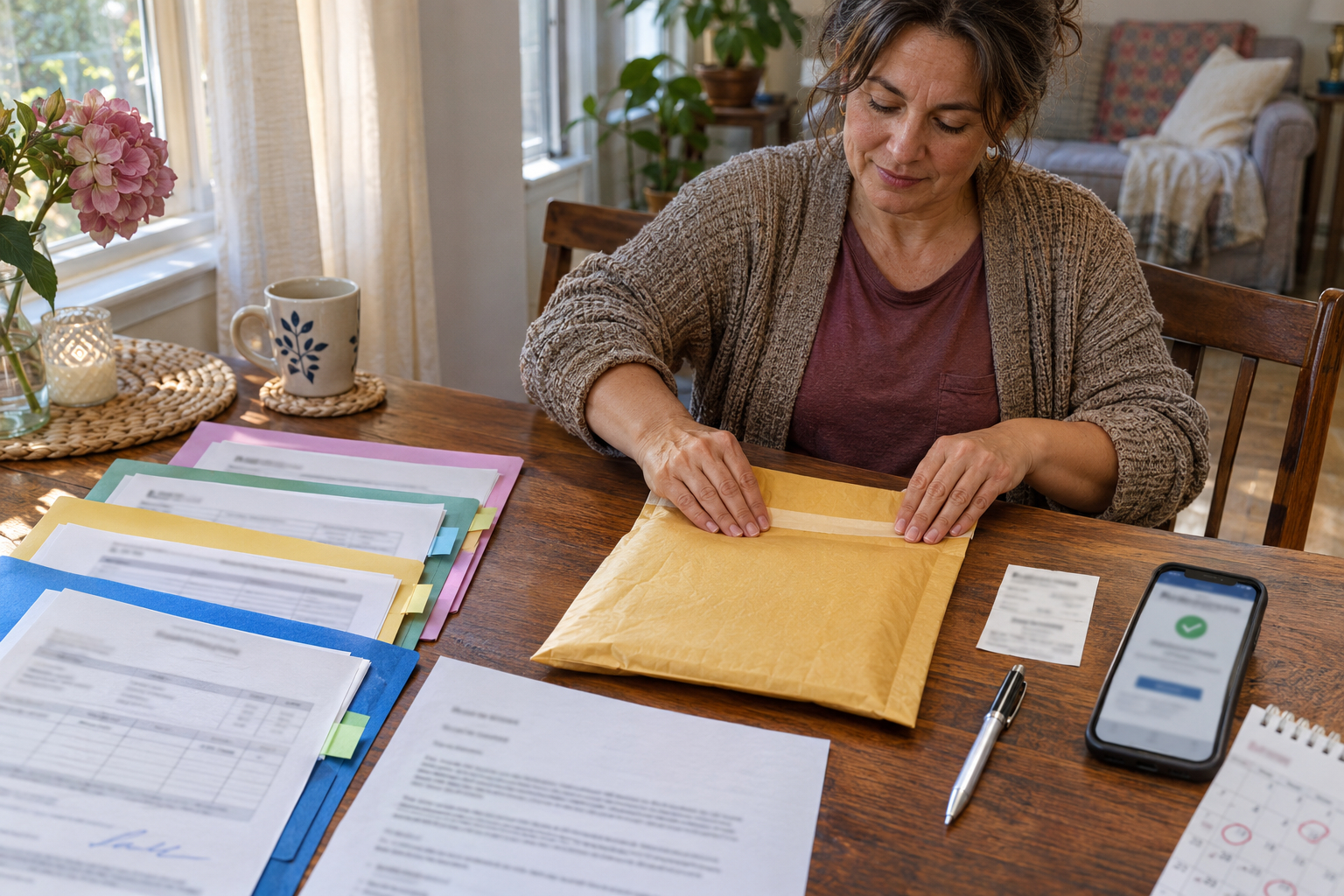
Submitting a claim for home health services can feel like learning a new language: clinical terms, codes, and policy fine print. Knowing which pieces of paperwork matter and how insurers evaluate requests makes the process less overwhelming. This article lays out practical steps to gather documentation, file correctly, and respond if a claim is questioned. A little organization up front often saves time and stress later.
What insurers commonly consider
Insurance companies typically focus on medical necessity, whether a licensed provider ordered the service, and whether the requested care fits policy definitions. They review diagnoses, treatment plans, and the expected duration of care to see if it matches coverage criteria. Preauthorization often plays a key role for more intensive services, so missing that step can trigger a denial. Understanding your plan’s definitions and limits helps set realistic expectations.
Keep in mind that routine or purely convenience items are less likely to be approved. Prior authorizations and clear clinical rationale increase the chance of a favorable decision.
Documenting medical necessity
Accurate, dated clinical notes are the backbone of any successful claim for home health. Include physician orders, functional assessments, therapy plans, and progress notes that link symptoms to the need for in-home services. Lab results, imaging summaries, and medication lists strengthen the record when they support the treatment plan. Make sure all documents show provider names, dates, and signatures where required.
- Physician order with start and expected end dates
- Therapist assessments and treatment goals
- Daily or weekly progress notes demonstrating change
Organizing files chronologically and labeling them clearly makes it easier for reviewers to follow the medical story. A concise cover letter summarizing key points can also help.
Filing the claim: step-by-step
Start by contacting your insurer for claim forms and the correct billing address or online portal. Verify whether preauthorization is needed and send supporting documents along with the claim form to avoid delays. Use certified mail or portal confirmations so you have proof of submission, and note claim numbers and contact names. Keep copies of everything; claims that arrive with incomplete evidence are the ones that stall.
Timeliness matters—file within the insurer’s stated window to prevent automatic denials. Track correspondence so you can reference dates and responses later.
If a claim is denied
Denials are not the final word. Review the denial letter carefully to identify the reason and the insurer’s appeal process, including deadlines. Gather any missing documentation, ask the treating provider to write a supplemental letter if needed, and submit a formal appeal with clear, focused evidence. Administrative appeals often require patience and persistence but can succeed when new or clarified information is provided.
When appeals fail, external review or ombudsman services may be available depending on your plan. Professional billing advocates or case managers can also help interpret denials and next steps.
Conclusion
Preparing a strong claim means assembling clear medical records, confirming preauthorization rules, and documenting every step of care. File promptly, keep complete copies, and be ready to appeal with focused evidence if needed. A methodical approach improves chances of coverage and reduces administrative headaches.