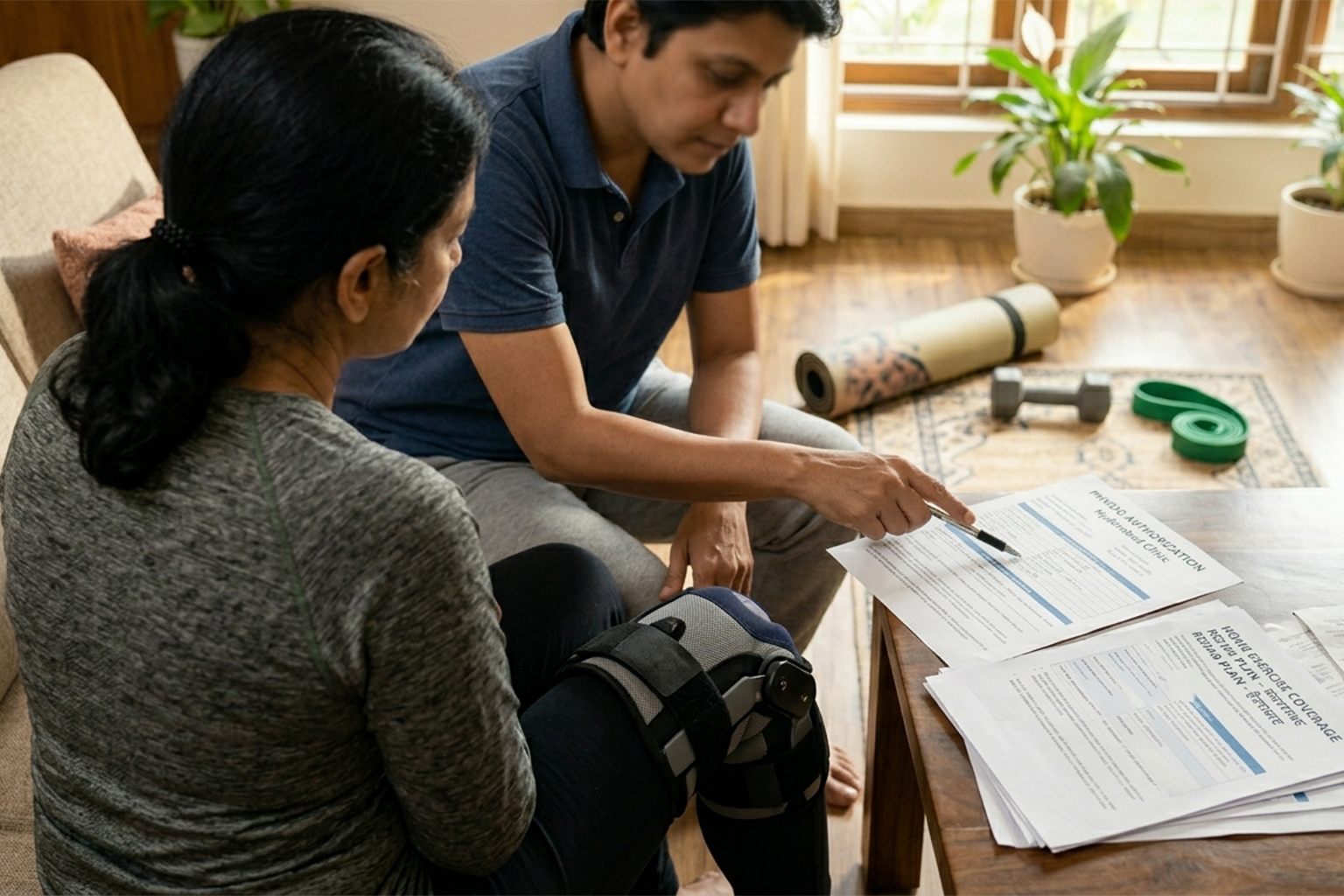
Maintaining a regular home workout routine brings convenience and control, but it also raises questions about medical protection if something goes wrong.
Understanding how your policy responds to injuries, preventive visits, and remote care helps you avoid surprises when you need care.
This article outlines practical considerations to align medical coverage with common home fitness scenarios.
Use these points to compare plans, prepare documentation, and reduce out-of-pocket risk.
Understanding Core Coverage
Start by checking what your plan covers for acute injuries: emergency room visits, urgent care, and specialist consultations are typically handled differently under most policies. Look at deductibles, copayments, and whether the provider network limits your options after an injury. Confirm whether exclusions apply to activities or equipment-related incidents, and whether pre-existing conditions affect coverage. Knowing these basics will steer decisions about plan selection and when to seek care.
Ask your insurer specific scenario questions and request written clarifications when necessary. A clear understanding of core benefits prevents costly surprises.
Preventive Care, Telehealth, and Rehabilitation
Preventive services such as annual checkups, cardiovascular risk screenings, and lifestyle counseling can lower injury risk and are often included at low or no cost. Telehealth expands access to medical advice after a minor injury or for ongoing monitoring of chronic conditions related to exercise. Physical therapy and rehabilitative services are important for recovery but frequently require authorization or have session limits. Review coverage details for outpatient rehabilitation and whether in-network providers are required for full benefits.
Prioritize plans that combine preventive coverage with generous rehabilitation benefits to support safe return-to-activity after injury. Telehealth options add convenience and may reduce unnecessary in-person visits.
Equipment, Wearables, and Therapy Costs
Durable medical equipment (braces, supports, mobility aids) may be covered if prescribed, but reimbursement rules vary widely. Wearable fitness devices and general gym equipment are rarely covered unless they are part of a documented medical treatment plan. When specialized therapy or orthotics are needed, confirm preauthorization rules and documentation requirements. Understanding these nuances helps you estimate potential out-of-pocket costs for equipment and ongoing therapy.
- Check preauthorization for durable medical equipment.
- Save prescriptions and supplier invoices for claims.
- Ask about caps on therapy session coverage.
Keep detailed records and letters of medical necessity to support claims for equipment or extended therapy. That paperwork often makes the difference in approvals.
Filing Claims and Reducing Out-of-Pocket Risk
Document any injury clearly: date, activity, witnesses, and initial treatment details support timely claims. Submit claims promptly and follow up, and retain all receipts and medical reports. If a claim is denied, use the insurer’s appeal process and provide any additional evidence requested. Consider health savings accounts or supplemental plans to cushion copays and deductibles tied to injury care.
Proactive documentation and understanding of appeals procedures improve your chances of reimbursement. Small administrative steps can significantly reduce financial stress after an injury.
Conclusion
Review policy language for emergency care, rehab, and equipment coverage.
Document injuries and follow claim procedures closely.
Choose plans that align with both prevention and recovery needs.