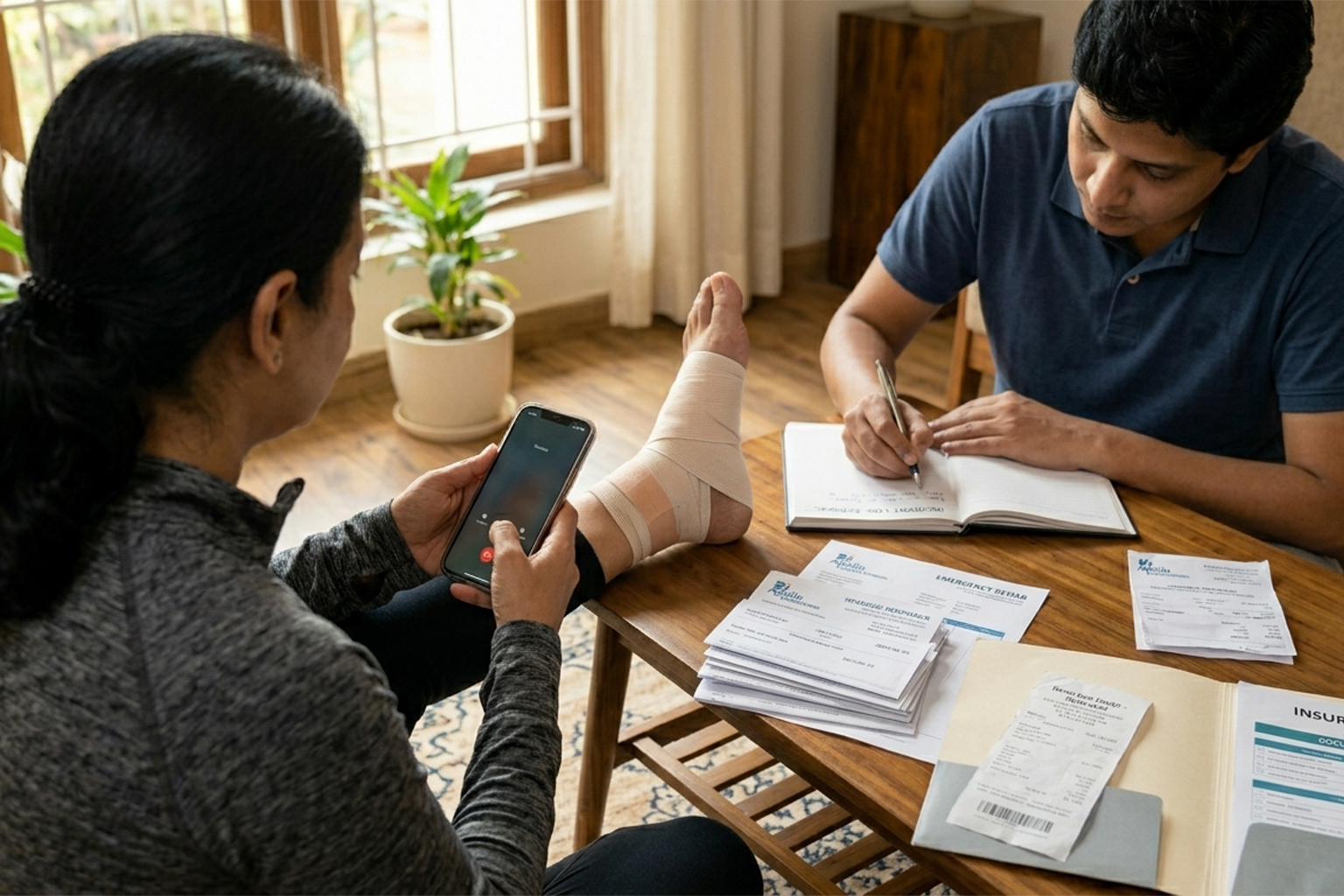
Handling an injury from a home workout is stressful, and good documentation can make the claims process smoother. Knowing what to record and how to present evidence helps speed approvals and reduces disputes. This article explains practical steps to document incidents, collect medical records, and communicate with insurers. Follow these tips to protect your claim and get appropriate care.
Why Documentation Matters
When an injury happens during a home workout, the insurer will evaluate cause, severity, and necessity of treatment. Clear records establish a timeline and justify medical expenses, which affects coverage decisions and out-of-pocket costs. Missing details can lead to denials or delays that increase stress and bills. Documentation also supports appeals if an initial claim is rejected.
Prioritizing records from the outset avoids gaps later. Keep organized notes and receipts so information is ready when you file.
What to Record and Collect
Gather immediate evidence: photos of the scene, videos if available, and a dated incident log describing what happened and symptoms. Secure medical documentation including ER summaries, imaging, treatment plans, and follow-up notes from providers. Save invoices, receipts for equipment, and any communication with trainers or witnesses. These items form a package that demonstrates necessity and links the injury to the home workout.
- Incident date, time, and location details
- Photos or video of equipment and injuries
- Medical reports, test results, and prescriptions
- Bills, receipts, and proof of payment
- Contact information for witnesses or trainers
Organize digital copies in a folder and backup to cloud storage. A concise summary sheet can speed review when sharing materials with your insurer.
How to File, Communicate, and Follow Up
Start by reporting the claim according to your policy’s instructions and attaching the organized documentation. Reference claim numbers in all communications and log every phone call, including date, time, and the representative’s name. Use secure portals or certified mail for submissions to maintain a paper trail. If a claim is denied, request a clear explanation, then submit missing evidence or a written appeal within the insurer’s timeframe.
Be persistent and professional throughout the process. Consider involving a patient advocate or insurance broker if disputes continue.
Conclusion
Thorough documentation and timely communication improve the chances of a fair resolution after a home workout injury. Maintaining organized records and a clear timeline reduces delays and simplifies appeals. Treat the claim process as part of recovery so you can focus on getting proper care.