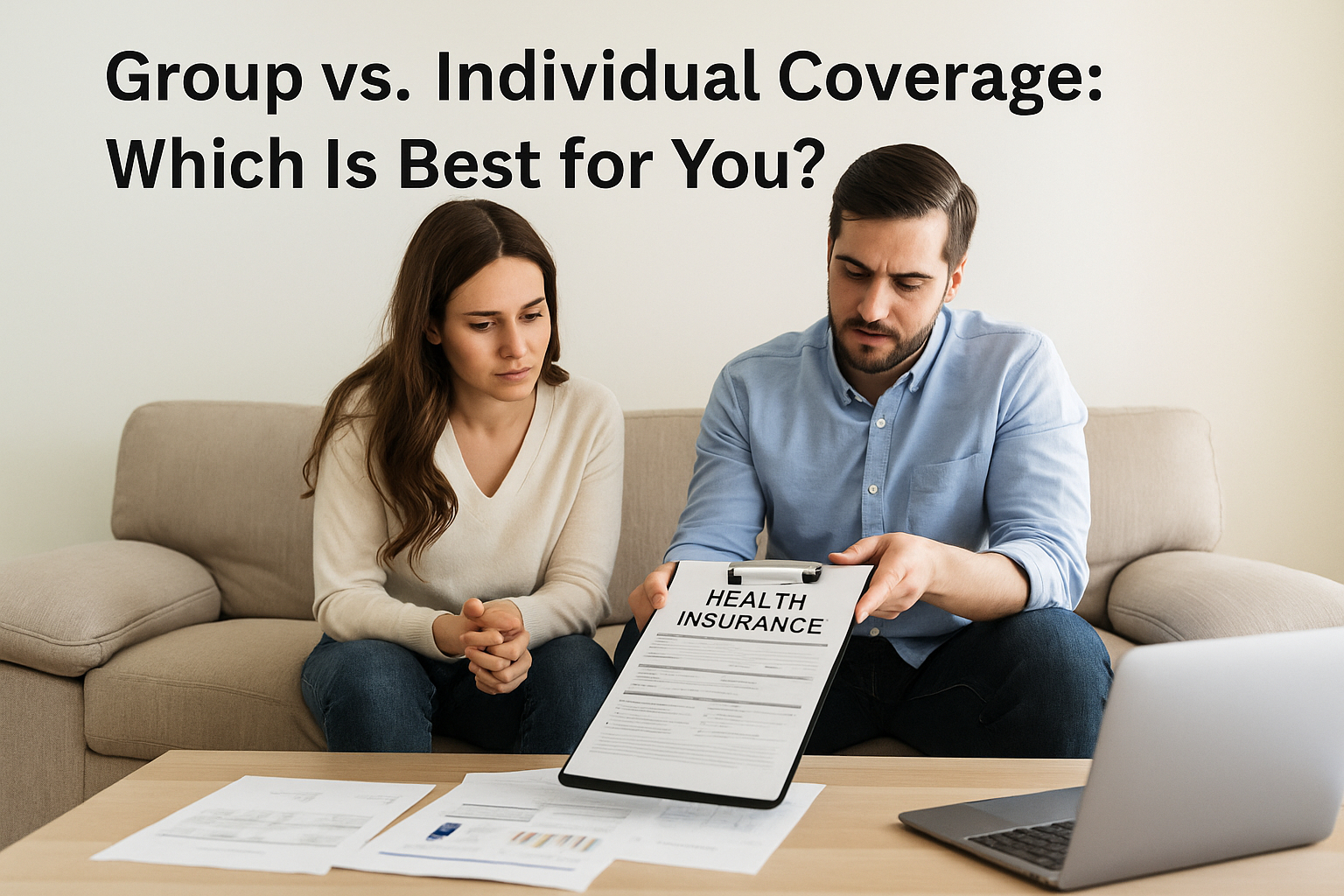
Choosing the right health coverage is one of the most important financial decisions you can make. While group insurance plans are commonly offered through employers, individual coverage gives people the freedom to choose their own benefits. Both options offer valuable protections, but the best choice depends on your budget, lifestyle, and personal healthcare needs. Understanding the differences helps you make a confident and informed decision.
How Group Coverage Works
Group health plans are provided by employers, associations, or organizations. Because the risk is shared among a large group of people, premiums are often lower. Employers typically pay part of the cost, making group plans more affordable for many individuals. These plans also offer standardized benefits, meaning coverage is already designed and negotiated for the entire workforce. The biggest advantage is cost savings—but your options are tied to your job.
What Individual Coverage Offers
Individual health plans are purchased directly by you—through insurers, brokers, or online marketplaces. These plans give you complete control over your coverage options, provider networks, and plan type. They are ideal for freelancers, business owners, retirees, or anyone without access to employer coverage. Individual plans can be customized for your medical needs, but premiums may be higher since you are not sharing risk with a larger group.
Flexibility vs. Stability
Group coverage provides predictable costs and stable benefits as long as you remain employed. However, changes in jobs, layoffs, or career transitions can lead to coverage gaps. Individual plans offer long-term stability because they are not tied to employment. You can keep your plan even if you change jobs, relocate, or shift to freelance work. This flexibility is valuable for people with unique or ongoing healthcare needs.
Cost Considerations
Group plans generally cost less because employers often cover a portion of the premium. They may also include additional benefits like dental, vision, or wellness programs at reduced rates. Individual plans allow you to manage your budget by selecting only the coverage you need. Depending on your income, you may also qualify for subsidies that lower monthly premiums. Understanding your long-term medical expenses helps you determine which option provides better value.
Conclusion
Both group and individual coverage offer meaningful benefits, but the best choice depends on your financial situation, career path, and health needs. Group plans are cost-effective and convenient, while individual plans offer flexibility and long-term stability. By understanding how each type of coverage works, you can choose the option that gives you confidence, protection, and peace of mind.