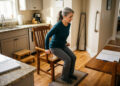
Whether you train with bodyweight, free weights, or guided programs, understanding your health policy can protect you from unexpected costs. Reviewing coverage related to injury treatment, telehealth consultations, and rehabilitation helps you plan safer home workouts. This overview explains practical steps to evaluate benefits and document incidents so claims are smoother. Use these pointers to make informed choices that support an active lifestyle at home.
Understanding policy basics
Start by identifying the core elements of your plan such as in-network care, deductible amounts, and any exclusions specific to activity-related injuries. Policies differ on whether preventative services, physical therapy, or virtual consultations are covered, and those differences affect out-of-pocket costs. Familiarize yourself with referral requirements and preauthorization rules that can delay care if overlooked. Knowing these basics reduces surprises and helps you decide when to seek care after a workout incident.
Keep a concise summary of key terms in a single document and update it when your plan renews. That reference saves time and ensures you follow required steps if you need treatment.
Coverage for fitness-related injuries
Most plans cover medically necessary treatment for acute injuries, but definitions vary and some services may be limited. Coverage for ongoing therapy, durable medical equipment, or imaging often depends on clinical justification and provider networks. Emergency care versus outpatient visits may trigger different cost-sharing, which is important if an injury happens during intense exercise. Reviewing past claims or questions with customer service clarifies how similar incidents were handled under your specific plan.
Documenting the medical necessity and following referral pathways increases the likelihood a claim will be approved. When in doubt, ask your insurer for examples of covered treatments for activity-related injuries.
Documenting and submitting claims
Accurate documentation is critical when filing claims related to exercise injuries at home. Record dates, symptoms, and any self-care steps taken prior to seeking professional care, and keep receipts and provider notes. If you used telehealth, save session summaries and any treatment plans that were provided, since these support medical necessity. Clear documentation shortens adjudication times and reduces the chance of denials based on missing information.
Organize digital and physical records in one place and create a simple checklist for the claims process. That habit makes it easier to respond quickly if the insurer requests additional details.
Practical steps to align coverage with routines
Consider choosing providers within your network for initial treatment and follow-up to limit costs, and verify coverage for online or app-based rehab programs if you rely on them. Explore supplemental benefits such as wellness credits, injury prevention programs, or discounts for fitness services that some plans offer. Regularly reassess your deductible and out-of-pocket maximum relative to how much care you anticipate using while staying active at home. Small changes to provider selection and scheduling can yield meaningful savings.
Create a plan for where to go and who to call if an injury occurs during a workout, and review that plan annually. Proactive steps reduce stress and help you recover without unnecessary expense.
Conclusion
Understanding the fine print of your health policy empowers safer home exercise choices and smoother claims when issues arise. Keep documentation, verify benefits before care, and use network providers to limit costs. Regularly revisit your coverage as your fitness routine or health needs change.