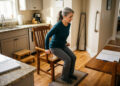
When you rely on home fitness routines, your health coverage plays a key role in managing unexpected injuries and ongoing care. Reviewing plan details before an incident helps you avoid surprise bills and delays in treatment. This article explains practical steps to interpret common policy terms and identify benefits relevant to at-home exercise. Use these guidelines to make informed choices and communicate clearly with your insurer.
Understand what your policy actually covers
Start by locating the summary of benefits and coverage, then look for sections on emergency care, outpatient treatment, and rehabilitation services. Pay attention to exclusions or activity-related clauses that could affect claims after a home exercise injury. Also note deductible levels, co-insurance percentages, and any per-visit limits that influence your out-of-pocket costs. Understanding these basics reduces surprises when you need care.
Keep copies of policy pages that mention relevant coverage, and flag unclear language for follow-up. If you have a broker or customer service contact, ask for written confirmation of any verbal explanations.
Check network rules, emergency care, and rehab benefits
Knowing whether a provider is in-network matters for both emergency and follow-up care, especially for physical therapy or orthopedic consultations after a workout injury. Confirm how emergency room visits are handled versus urgent care or telehealth triage, since different settings can lead to very different bills. Rehab coverage is essential for returning to your routine; verify visit limits, pre-authorization needs, and whether durable medical equipment is covered. These distinctions determine both access and expense when you need recovery services.
- Ask about pre-authorization for therapy or imaging.
- Confirm in-network physical therapists and their locations.
- Check caps on visits and co-pay amounts for rehab services.
Document any confirmations and keep a checklist of providers and authorization numbers to expedite care and claims processing.
Use preventive care and telehealth to minimize risks
Many plans include preventive benefits such as wellness visits, risk assessments, and exercise counseling that can reduce injury risk. Telehealth options offer quick access to providers for early evaluation when a strain or minor injury occurs, often at lower cost than in-person visits. Explore whether chronic condition management or allied health services like nutrition counseling are covered, as these support long-term fitness goals. Leveraging preventive and remote services can cut costs and speed recovery when issues arise.
Schedule an annual benefit review with your insurer or benefits advisor to stay current on covered services. Regularly revisiting your plan ensures it continues to meet your home fitness needs.
Conclusion
Clarifying benefit details and documenting confirmations reduces surprises after a home fitness injury. Prioritize network status, rehab limits, and telehealth options when evaluating plans. Taking these steps helps you maintain safe, supported home exercise habits.