Thoughtful meal design helps you feel energized, recover faster, and stay consistent with at-home training. Small adjustments to what you eat and when you eat can produce steady performance gains over weeks. This article outlines practical principles for building meals that support daily workouts without overwhelming your routine. Use these ideas to create flexible, reusable plate patterns that fit busy home lifestyles.
Start with Smart Grocery Choices
Begin by stocking versatile whole foods that combine easily to form balanced plates. Prioritize a mix of lean proteins, whole grains, healthy fats, and a variety of colorful vegetables to cover key nutrients. Choosing minimally processed staples reduces decision fatigue and makes it simpler to assemble meals that support energy and recovery. A well-stocked kitchen sets the foundation for consistent, nourishing meals before and after sessions.
- Lean proteins: poultry, fish, eggs, legumes
- Complex carbs: oats, brown rice, whole-grain pasta
- Healthy fats and produce: avocados, nuts, leafy greens
These pantry and fridge staples are flexible for meals and snacks. They allow you to rotate flavors without sacrificing nutrition or convenience.
Build Balanced Meals for Workouts
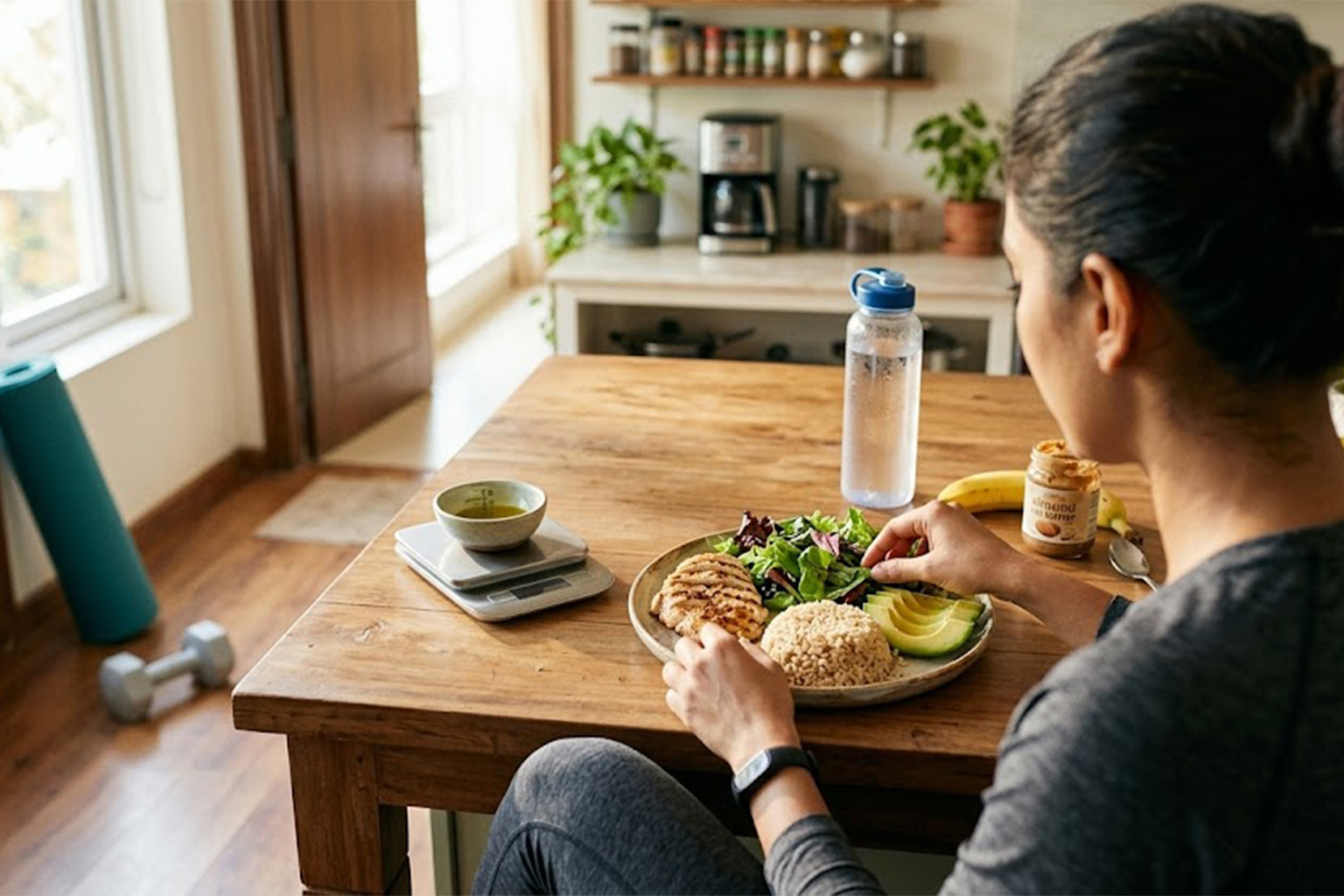
A useful framework is to prioritize protein, add a controlled portion of carbohydrates, and include vegetables or fruit with healthy fats. Protein supports muscle repair and satiety, while carbohydrates provide the primary fuel for higher-intensity effort. Vegetables add fiber and micronutrients that support overall recovery and immune function. Structuring plates this way simplifies meal planning and ensures consistently useful nutrition for training days.
Portion size can be adjusted to match workload: larger on intense training days and smaller on rest days. Keeping a simple template reduces the need for complex recipes while maintaining variety.
Timing, Snacks, and Recovery
Timing matters but should be practical: aim for a balanced meal two to three hours before exercise, or a light snack 30–60 minutes prior if you need a quick boost. After workouts, prioritize a protein-rich meal or snack within a couple of hours to support recovery and rebuild. Hydration and electrolytes also play a role, especially for longer or sweat-heavy sessions. Small, planned snacks can bridge energy gaps without derailing overall meal patterns.
- Pre-workout snack ideas: banana with nut butter, yogurt with berries
- Post-workout recovery: cottage cheese and fruit, a simple protein smoothie
- Quick hydration: water with a pinch of salt or an electrolyte tablet
Adopting simple timing habits and smart snack choices helps you maintain energy and reduce late-day cravings. These practices support consistent training and make it easier to track what works for you.
Conclusion
Design meals around protein, quality carbs, and vegetables to support home workouts.
Small, repeatable changes to groceries and timing yield steady results.
Focus on consistency and adjust portions to match training intensity.