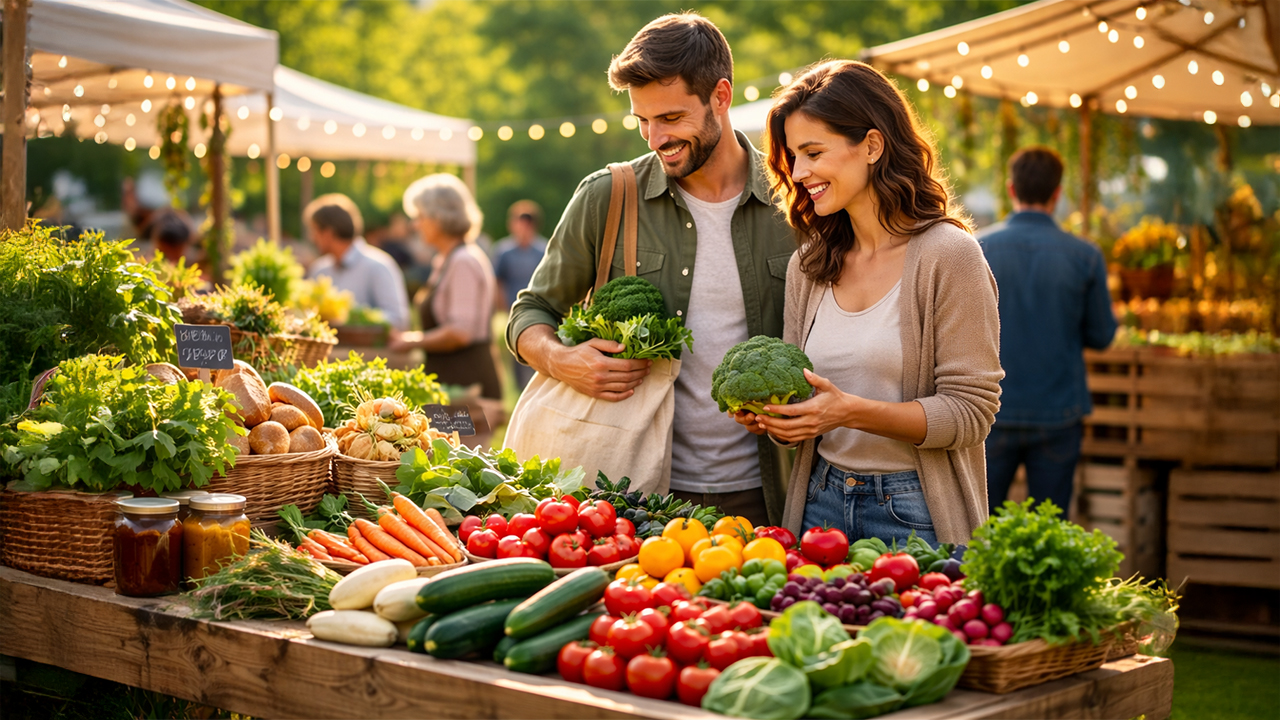
In an age where fast food and pre-packaged meals dominate our diet, the “Slow Food” movement stands as a response to the increasing reliance on processed foods. Founded on the principles of local, sustainable, and mindful eating, this movement encourages people to savor meals, choose whole, fresh ingredients, and connect with their communities. But how does eating less processed food affect our health and the strength of our communities? In this blog, we’ll explore the multiple benefits of embracing Slow Food philosophy.
Health Benefits of Slow Food
Eating less processed food offers numerous health benefits. Processed foods are often high in added sugars, unhealthy fats, and artificial additives, contributing to obesity, diabetes, and other chronic diseases. On the other hand, whole foods—fruits, vegetables, grains, and lean proteins—are nutrient-dense and provide essential vitamins, minerals, and fiber that support overall health.
The Slow Food movement emphasizes food that is prepared from scratch, focusing on fresh, seasonal ingredients. This practice can reduce the risk of heart disease, improve digestive health, and boost energy levels. Additionally, cooking meals from whole foods encourages mindful eating, which helps with portion control and better digestion.
Strengthening Communities
Beyond individual health, the Slow Food movement has profound community benefits. It promotes local food production, supports small-scale farmers, and fosters connections within communities. By buying locally grown food, consumers help reduce the carbon footprint associated with transporting food long distances, contributing to sustainability.
Slow Food also encourages the sharing of meals and experiences, strengthening social bonds. Food markets, local food festivals, and community gardens become gathering places where people can engage in conversations, learn about each other’s cultures, and build relationships.
The Slow Food Philosophy and Sustainability
One of the core tenets of the Slow Food movement is sustainability. By focusing on locally sourced, organic ingredients, it helps protect the environment and supports biodiversity. Eating less processed food not only benefits our health but also reduces the environmental impact of factory farming and industrial food production.
Small-scale, sustainable agriculture protects natural resources like soil and water and promotes animal welfare. By choosing food that is produced in a way that respects the environment, we contribute to a healthier planet for future generations.
How to Embrace the Slow Food Movement
- Buy Local: Shop at farmers’ markets or join a community-supported agriculture (CSA) program to access fresh, seasonal produce.
- Cook from Scratch: Minimize reliance on pre-packaged or fast foods by preparing meals with whole ingredients.
- Grow Your Own Food: Start a garden at home, even if it’s small. Growing your own vegetables can deepen your connection to the food you eat.
- Support Sustainable Practices: Choose food from farms that emphasize sustainability, animal welfare, and eco-friendly practices.
Conclusion
The Slow Food movement is more than just a trend; it’s a return to mindful eating, sustainability, and community-building. By choosing to eat less processed food, we not only improve our personal health but also strengthen the fabric of our communities and our planet. It’s a movement that values the quality of food, the environment, and the social connections that come with shared meals.