AI is transforming nearly every part of daily life, and the kitchen is no exception. In 2025, smart cooking tools powered by artificial intelligence are making meal preparation faster, healthier, and more personalized than ever before. These innovations help home cooks save time, reduce waste, and explore new culinary possibilities—all while adapting to individual preferences and dietary needs. AI in the kitchen isn’t just futuristic tech; it’s becoming an essential part of modern home cooking.
Personalized Meal Planning Based on Your Lifestyle
AI-powered apps and devices now analyze your habits, dietary restrictions, and nutritional needs to create customized meal plans. Whether you’re aiming for balanced meals, weight management, or simply more convenient cooking, AI can offer personalized recommendations. These systems also adjust based on pantry inventory, preventing last-minute grocery runs and minimizing food waste.
Smart Appliances That Adapt to Your Cooking Style
Modern appliances—from ovens to refrigerators—are equipped with AI-driven features that enhance efficiency and precision. Smart ovens automatically adjust temperature and cooking time, ensuring consistent results. AI-enabled refrigerators can track expiration dates, suggest recipes based on what’s inside, and notify you when supplies are running low. These tools take guesswork out of cooking and streamline your kitchen routine.
AI-Assisted Cooking for Everyday Home Chefs
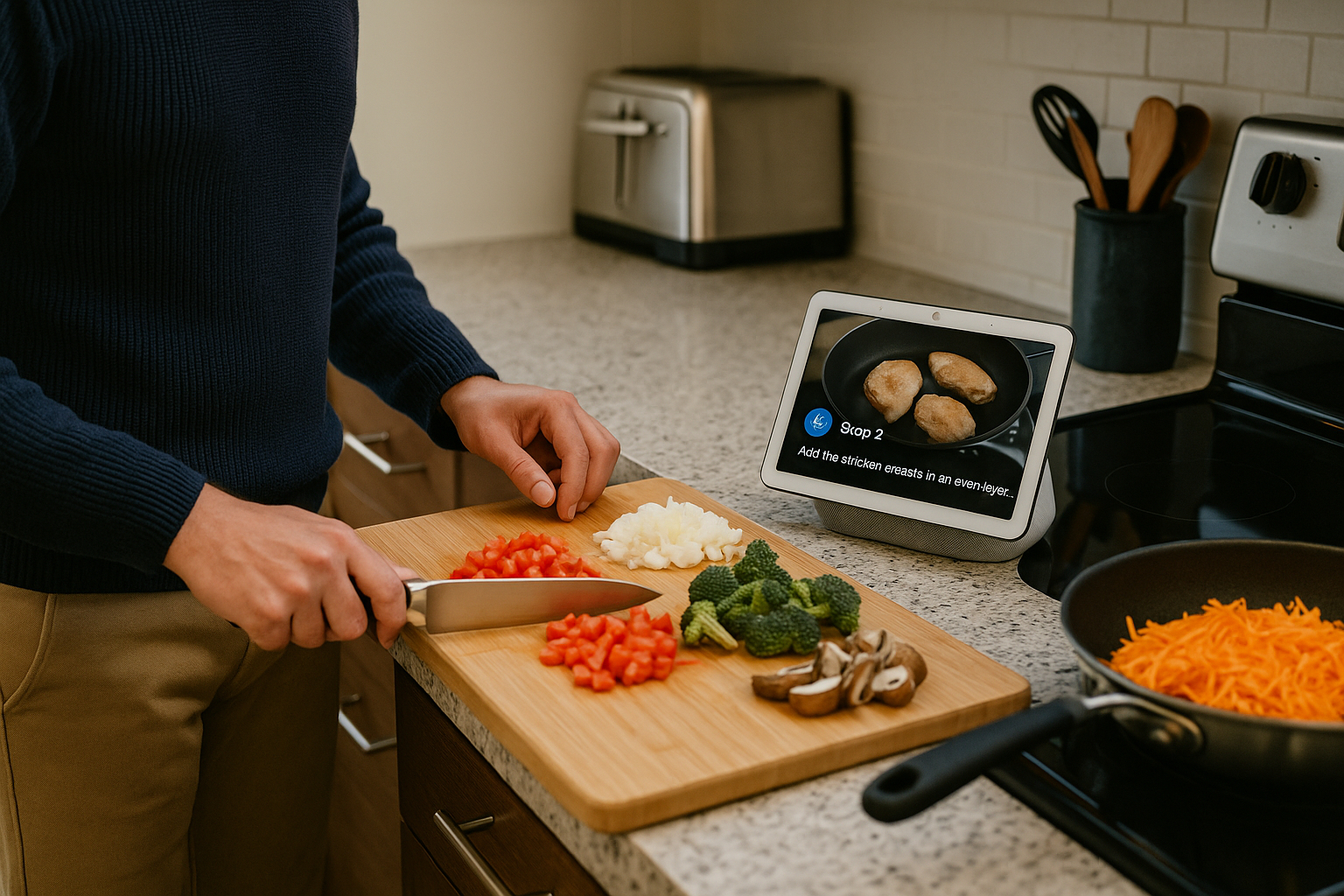
Cooking assistants powered by AI can guide you step-by-step through complex recipes, adjusting instructions based on your skill level. Voice-activated devices offer real-time tips, track cooking progress, and prevent overcooking. These tools empower even beginners to recreate restaurant-quality dishes with ease and confidence.
Reducing Food Waste Through Smart Monitoring
Food waste is a growing global concern, and AI technology is stepping in to help. Sensors and AI-driven inventory trackers monitor freshness and provide alerts when food is nearing expiration. By suggesting recipes that use aging ingredients, these systems help households save money and make more sustainable choices.
Connecting Health, Nutrition, and Cooking
AI increasingly bridges the gap between nutrition and daily eating habits. Wearable health devices pair with kitchen tech to recommend meals that support fitness goals, manage health conditions, or maintain energy levels. This integration creates a fully personalized approach to nutrition that evolves based on real-time data.
Conclusion
AI is reshaping the future of home cooking by making kitchens smarter, more efficient, and more personalized. With intelligent appliances, customized meal planning, and advanced cooking assistance, AI empowers home chefs to create healthier, tastier meals with ease. As technology continues to evolve, AI in the kitchen will become an indispensable part of everyday living.