Consistent home workouts need simple, repeatable meals that deliver steady energy and support recovery. This article outlines easy plate formulas you can use throughout the week without complicated shopping or lengthy cooking. The goal is practical guidance: balanced portions, flexible ingredients, and quick swaps to match taste and time. Use these patterns to streamline meal decisions and keep your nutrition aligned with training goals.
Why plate formulas work
Plate formulas reduce decision fatigue by defining reliable ratios of protein, carbohydrate, and vegetables for each meal. They focus on whole-food options that are easy to scale and adapt to what you already have in the pantry and fridge. By repeating a few templates, you can maintain consistent intake of key nutrients and energy for daily workouts. Simplicity encourages adherence, which is more important than perfection for long-term progress.
Core components and portion guidance
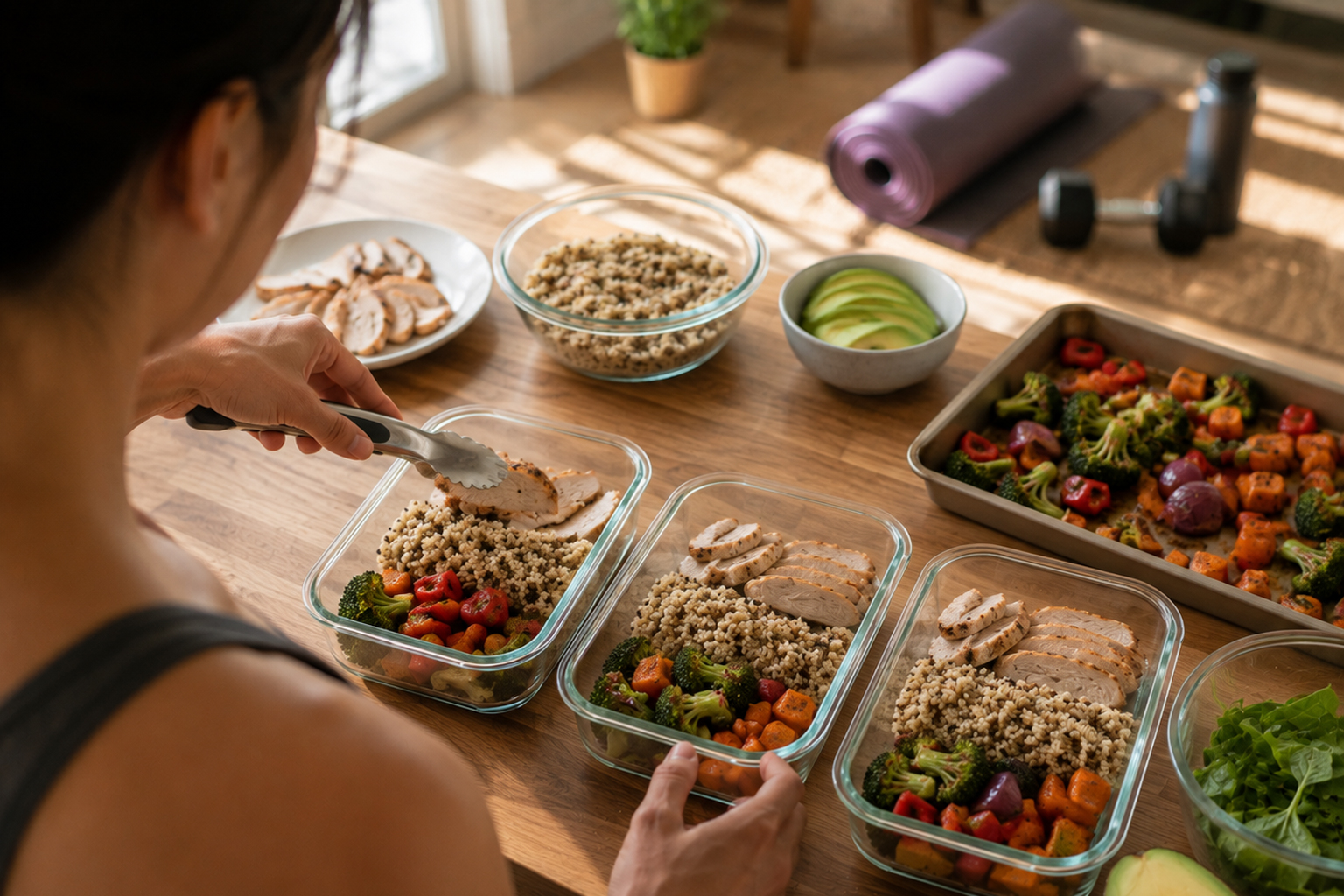
A practical plate is built from three components: a lean protein, a fiber-rich carbohydrate, and colorful vegetables or salad. Aim for a plate split roughly into thirds: one-third protein, one-third grains or starchy vegetables, and one-third vegetables or salad. Include a small serving of healthy fats, such as a drizzle of oil, a handful of nuts, or a slice of avocado, to support satiety and nutrient absorption. Adjust portion sizes modestly based on hunger, workout intensity, and personal goals.
Meal examples and easy swaps
Use the same formula across breakfast, lunch, and dinner with different ingredients to keep meals interesting. For breakfast, pair eggs or Greek-style yogurt with whole-grain toast and sautéed greens. For lunch, combine grilled chicken or legumes with quinoa and a mixed-vegetable salad. Dinner options might include baked fish, roasted sweet potato, and steamed broccoli.
- Vegetable swaps: spinach, bell peppers, zucchini, or mixed greens.
- Carb swaps: brown rice, oats, potatoes, or whole-grain pasta.
- Protein swaps: tofu, beans, lean poultry, eggs, or canned fish.
These swaps make it easy to use seasonal produce and pantry staples while keeping the plate balanced.
Practical habits to maintain consistency
Prep simple components in batches—cook a grain, roast vegetables, and portion proteins—so assembling a balanced plate takes minutes. Keep a small list of go-to recipes and pantry-friendly combinations to avoid last-minute unhealthy choices. Keep hydrated and consider timing meals around your workout: a balanced meal two to three hours before exercise or a lighter snack closer to training can help performance. Small, repeatable habits compound into reliable nutrition over weeks and months.
Conclusion
Use the plate formulas to make balanced eating straightforward and sustainable for home workouts. Focus on portion balance, simple swaps, and basic meal prep to reduce friction. Consistency with these patterns will support energy, recovery, and steady progress.