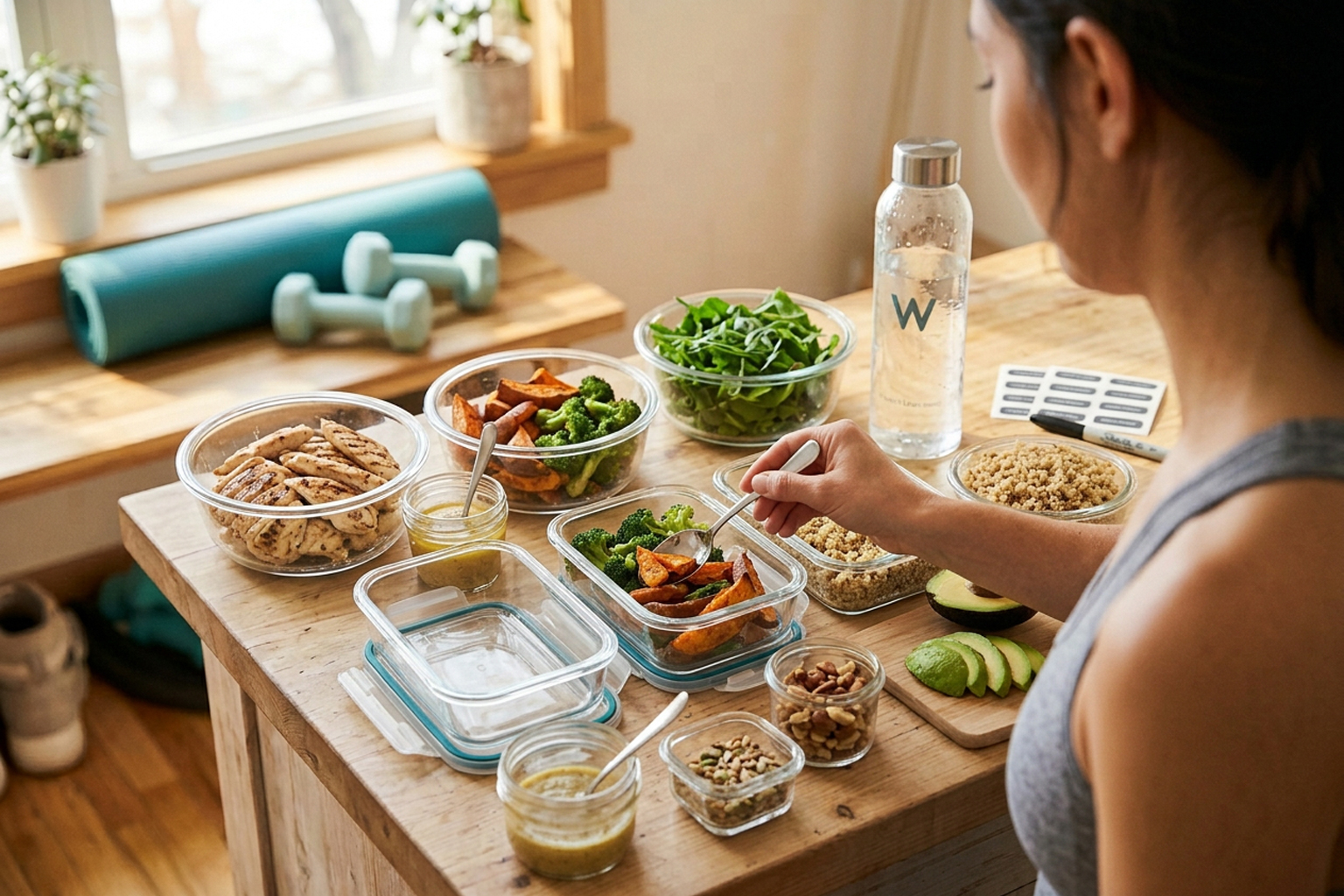
Consistent nutrition helps sustain energy, recovery, and progress when you train at home. Simple, flexible meal patterns reduce decision fatigue and make healthy habits easier to keep. Instead of rigid plans, focus on repeatable structures that adapt to your schedule and pantry. This approach supports performance and long-term adherence without extra complexity.
Why flexible meal patterns work
Flexible meal patterns work because they balance predictability with variety, giving you reliable fuel while preventing boredom. When meals follow a clear template, you can mix ingredients based on availability and preferences rather than following a strict recipe. That adaptability makes it easier to hit protein, carbohydrate, and fat goals across the day. It also reduces wasted food and saves time on planning and shopping.
- Low decision load: swap ingredients without changing structure.
- Scalable portions: adjust volumes for energy needs.
Adopting a pattern frees mental energy for workouts and recovery. You get structure without sacrificing flexibility.
Core components to include in each meal
Each meal should combine three core components: a source of lean protein, a fibrous or starchy carbohydrate, and a healthy fat or produce-rich element. Protein supports muscle repair, carbohydrates replenish energy, and fats help satiety and nutrient absorption. Aim for portion sizes that match your daily activity and training intensity rather than a fixed formula. Simple swaps—bean for chicken, quinoa for rice—keep meals fresh and nutritionally similar.
- Protein: eggs, fish, lean poultry, legumes
- Carbs: potatoes, whole grains, fruit
- Fats/veg: avocado, nuts, olive oil, leafy greens
Keeping these components consistent makes meals easier to scale across days. The exact combination can vary but the balance should remain intact.
Practical weekly template for busy home trainers
Map out three repeatable meal templates and rotate them through the week to simplify shopping and cooking. For example, build templates around a grain bowl, an omelet or scramble, and a sheet-pan or one-pan dinner. Batch key elements like cooked grains, roasted vegetables, and seasoned proteins to mix-and-match quickly. This reduces nightly decisions while preserving enough variety to stay interested.
- Grain bowl: cooked grain + protein + roasted veg + sauce
- Omelet/scramble: eggs + vegetables + cheese or beans
- One-pan dinner: protein + potatoes + mixed vegetables
Use leftovers intentionally as components for lunches or snacks. Small prep sessions twice a week usually cover most needs.
Conclusion
Flexible meal patterns simplify nutrition for home fitness by creating repeatable, adaptable frameworks. Focus on combining protein, carbohydrate, and vegetables in predictable templates you can customize. Over time this approach supports consistent energy, recovery, and sustainable eating habits.