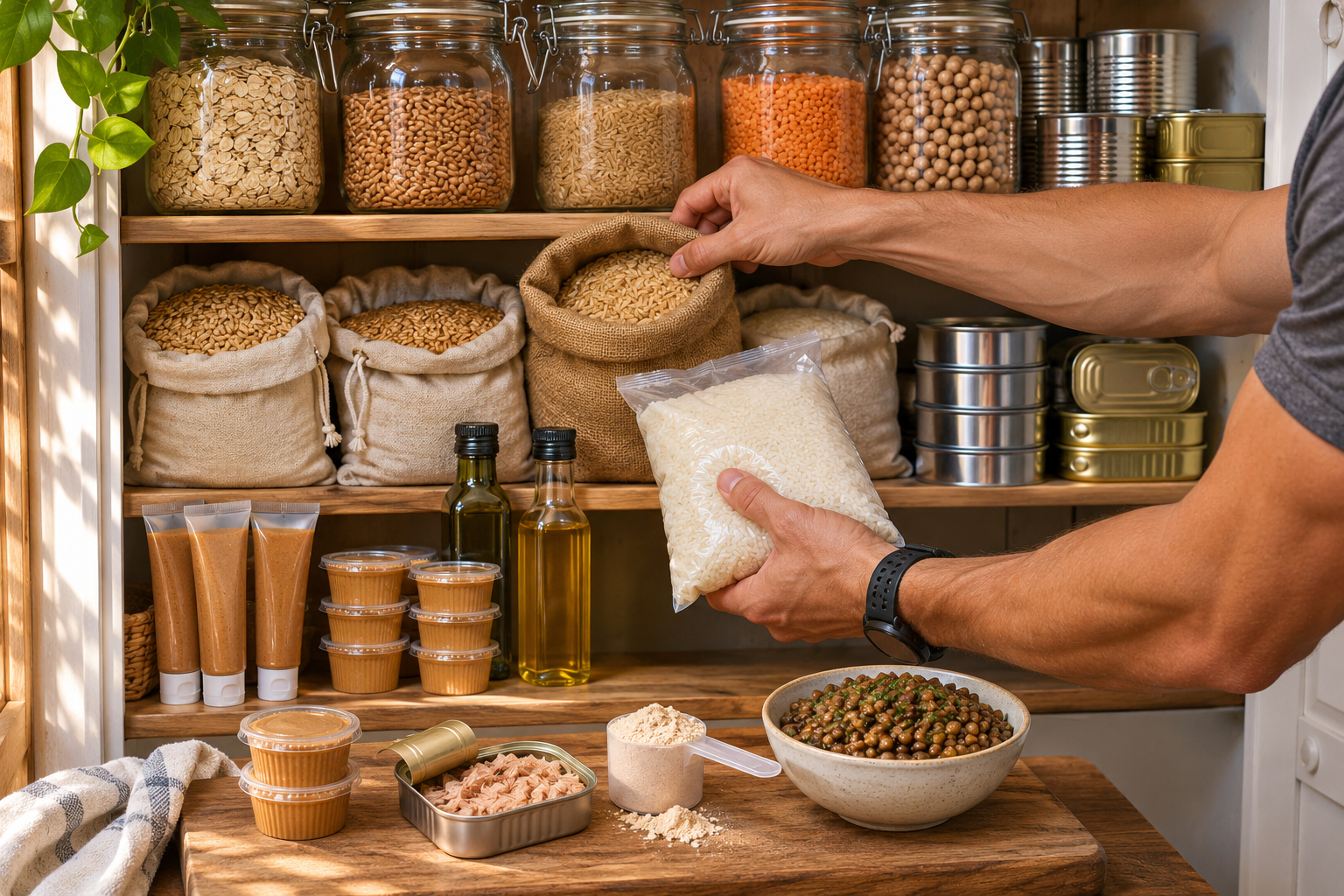
Eating for fitness doesn’t require fancy ingredients or expensive supplements. Small swaps in your pantry can raise nutrient density, steady energy, and recovery after workouts. Focused changes—choosing whole grains over refined ones, prioritizing plant proteins, and selecting stable healthy fats—pay off at every meal. These adjustments are practical, affordable, and easy to maintain long term.
Choose Whole Grains and Legumes
Swap white rice, pasta, and bread for whole-grain versions to add fiber and micronutrients without changing meal routines. Whole grains like oats, farro, or brown rice slow digestion and help maintain steady blood sugar during long training sessions. Legumes—lentils, chickpeas, and beans—bring plant protein, iron, and potassium, and they work in soups, salads, or as quick grain bowls. These pantry staples also keep well and cost less per serving than many processed options.
Start by replacing half of refined grains in a recipe, then move to full swaps as taste adapts. You’ll notice longer satiety and more stable energy between workouts.
Rethink Fats and Oils
Fats power recovery and hormone balance, but not all fats are equal. Replace heavily processed spreads and hydrogenated oils with shelf-stable sources like olive oil, canned tuna in oil, or nut butters that provide monounsaturated and omega fats. Toasted sesame or flaxseed oil can add flavor and a dose of healthy fatty acids when used sparingly. Proper portioning keeps calories in check while enhancing nutrient intake.
Keep bottles sealed and stored away from heat to preserve quality. A small change in fat choices improves satiety and supports overall training goals.
Prep Protein-Rich Staples
Protein is essential for muscle repair, and the pantry can be a rich source when stocked thoughtfully. Canned fish, dry lentils, textured vegetable protein, and Greek yogurt (shelf-stable alternatives like powdered casein or protein powders when needed) offer quick options for post-workout meals. Having measured portions ready—single-serve packets or pre-cooked containers—makes it easier to meet daily targets consistently. Variety keeps meals interesting and ensures a broader range of amino acids.
- Swap white flour for chickpea or almond flour in savory bakes.
- Keep single-serve nut butter or hummus cups for quick carbs-plus-protein snacks.
- Use canned beans as a fast base for salads or wraps.
Adopt a couple of shelf-stable proteins first, then add fresh ones as meals are planned. Over time the pantry shapes how quickly you can refuel after exercise.
Conclusion
Small, consistent pantry swaps amplify the impact of training without overhauling your routine. Choose whole grains, thoughtful fats, and reliable protein sources to build balanced, fitness-friendly meals. Simple shifts in what you stock translate directly into better energy, recovery, and long-term eating habits.