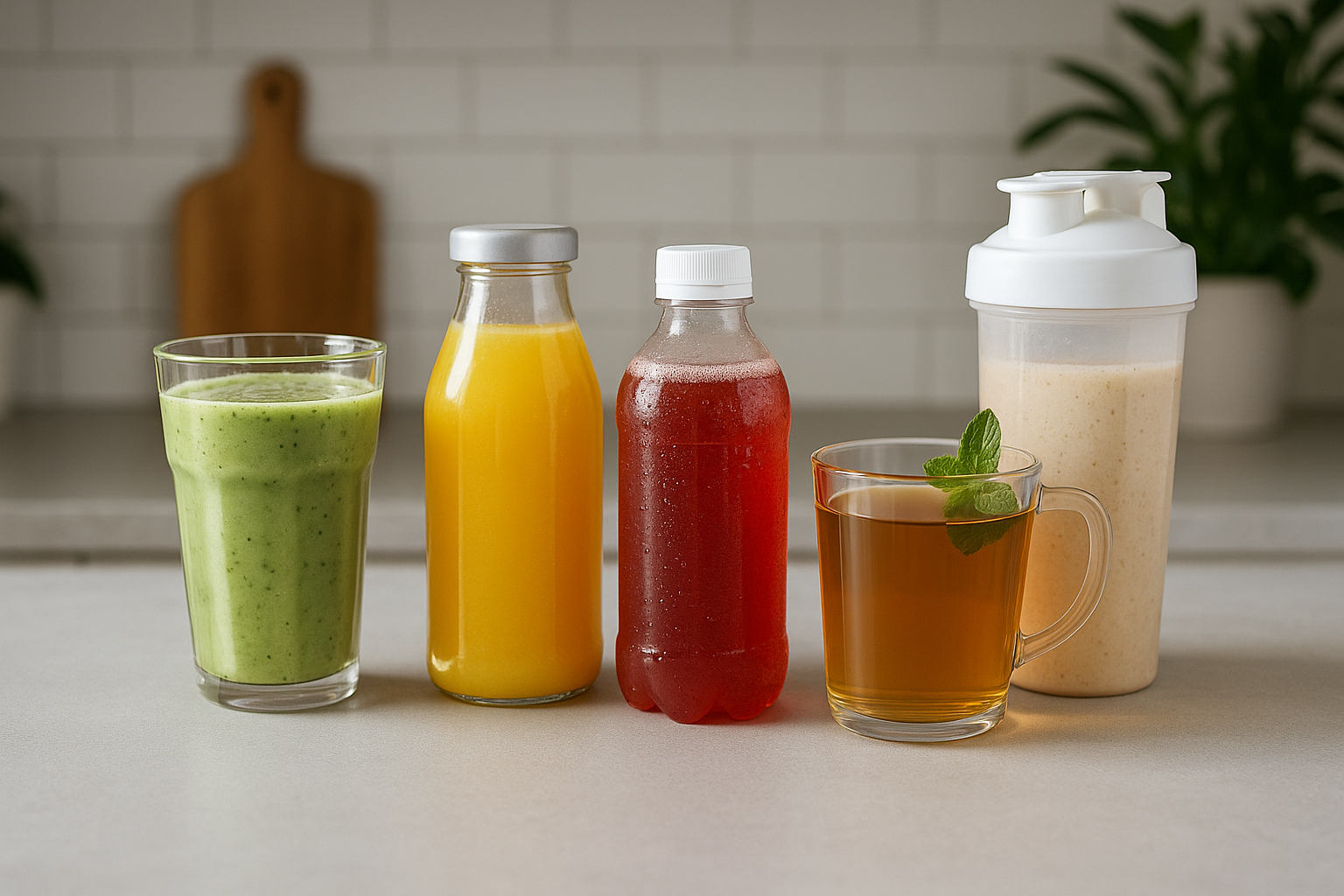
As consumers become increasingly health-conscious, the beverage industry is undergoing a major transformation. Gone are the days when sugary sodas dominated the market. Today, functional beverages — drinks that provide health benefits beyond basic hydration — are leading the wellness revolution. From boosting energy and immunity to improving gut health and mental clarity, these drinks combine nutrition, science, and lifestyle in one refreshing package.
What Are Functional Beverages?
Functional beverages are drinks formulated with bioactive ingredients that target specific wellness goals. Unlike traditional beverages, they are enriched with vitamins, minerals, probiotics, adaptogens, or natural plant extracts designed to promote overall well-being.
Popular categories include probiotic drinks for gut health, protein shakes for muscle recovery, collagen waters for skin health, and nootropic beverages for focus and cognition. These products cater to the growing demand for convenient, ready-to-consume wellness options.
Trending Ingredients in 2025
The functional beverage market continues to evolve, with new ingredients gaining popularity every year. Some of the key trending components in 2025 include:
-
Adaptogens: Natural herbs like ashwagandha, rhodiola, and ginseng help the body manage stress and maintain balance.
-
Probiotics and Prebiotics: These gut-friendly bacteria and fibers enhance digestion and strengthen immunity.
-
Collagen: Once confined to skincare, collagen is now a top ingredient in beverages aimed at improving joint health and skin elasticity.
-
Plant-Based Proteins: Pea, hemp, and brown rice proteins are increasingly used in smoothies and shakes to support muscle repair.
-
Nootropics: Ingredients like L-theanine and lion’s mane mushrooms enhance mental clarity and focus without the crash of caffeine.
-
Electrolytes and Superfruits: Coconut water, acai, and pomegranate infusions provide hydration and antioxidant benefits.
The Shift Toward Clean Labels
Modern consumers are scrutinizing ingredient lists more than ever. Clean-label beverages — those made without artificial flavors, preservatives, or added sugars — are driving sales growth. Brands that highlight transparency and natural sourcing are gaining trust, especially among Gen Z and millennial buyers.
The Role of Technology and Personalization
Advancements in food science are enabling manufacturers to create personalized wellness beverages. AI-driven health apps now recommend drinks based on an individual’s nutritional needs, activity levels, and biometric data. Functional beverage companies are also leveraging sustainable production methods, such as biodegradable packaging and low-carbon manufacturing.
Why Consumers Love Functional Drinks
Functional beverages fit perfectly into today’s fast-paced, health-focused lifestyle. They’re easy to consume on the go, taste great, and support targeted wellness goals — whether that’s post-workout recovery, improved concentration, or immune defense. They represent a shift from indulgence to intention — where every sip serves a purpose.
Conclusion
Functional beverages are more than a passing trend — they’re the future of mindful consumption. By blending science with nature, these wellness drinks empower consumers to take charge of their health in a simple, enjoyable way. Whether it’s a probiotic smoothie, adaptogenic tea, or collagen-infused water, the next wave of beverages proves that wellness can be as refreshing as it is functional.