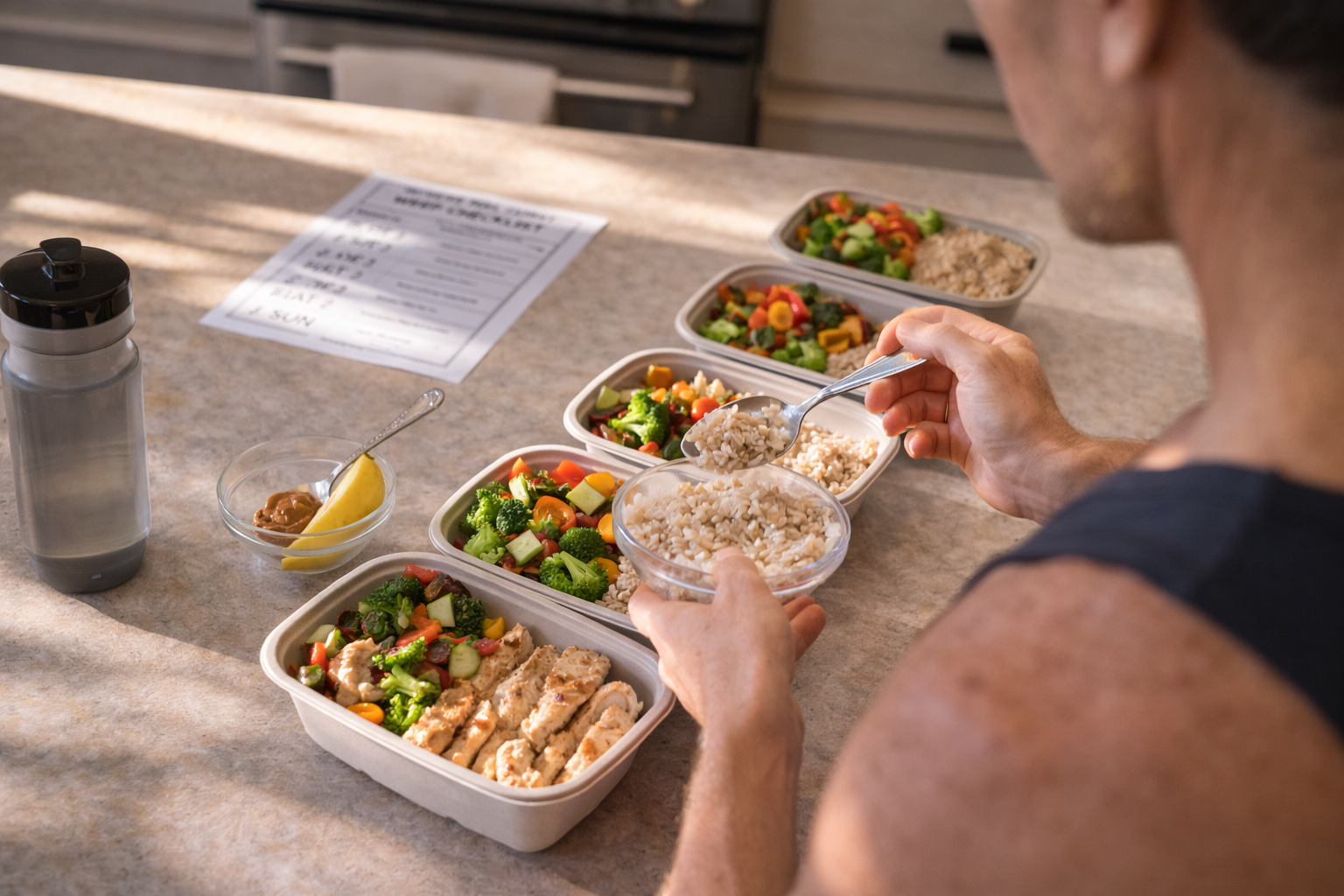
Consistent, balanced nutrition is one of the simplest levers you can pull to improve results from at-home training. You don’t need complex plans or specialty foods to boost strength, endurance, and recovery. Small, sustainable adjustments to portions and timing will produce steady gains when paired with regular workouts. This article outlines practical strategies to help you fuel sessions, support recovery, and sustain energy throughout the week.
Balancing Macronutrients
A clear macronutrient framework makes meal choices easier and supports both performance and recovery. Aim to include a quality protein source at each meal to support muscle repair, moderate carbohydrates around training for energy, and healthy fats for satiety and nutrient absorption. Portion needs will vary by goals and activity level, but a simple plate model—protein, vegetables, and a controlled carbohydrate portion—works well for most people. Prioritizing whole foods over highly processed options helps maintain steady energy and more consistent hunger cues.
Choosing versatile proteins like eggs, legumes, dairy, or lean poultry simplifies meal planning. Combine them with colorful vegetables and whole grains to maximize nutrient density without excess calories.
Timing and Snacks
Meal timing can influence how you feel during a workout and how quickly you recover afterward. Try to eat a balanced meal two to three hours before training or a small, carbohydrate-focused snack 30–60 minutes prior if you need quick energy. After exercising, aim to consume protein and carbohydrates within an hour to support glycogen replenishment and muscle repair. Hydration before, during, and after sessions also plays a major role in perceived effort and recovery.
Simple pre-workout snacks include a banana with peanut butter or a small yogurt with fruit. Post-workout options can be as easy as a smoothie, cottage cheese with berries, or a turkey sandwich.
Practical Meal Prep Tips
Preparation reduces decision fatigue and keeps you aligned with your goals when life gets busy. Batch-cook one or two proteins, pre-roast vegetables, and portion grains to assemble balanced meals quickly throughout the week. Use versatile seasonings and sauces to change flavors so repetition doesn’t become boredom. Investing an hour or two on a weekend or night can save time and improve food choices during busy weekdays.
- Cook a large tray of mixed vegetables and store in airtight containers.
- Portion single-serving proteins to simplify reheating.
- Keep quick staples like canned beans, whole grain wraps, and frozen fruit on hand.
These small systems make it easier to eat consistently well without overthinking each meal. Consistency over time matters more than perfection in any single meal.
Conclusion
Simple, consistent food choices amplify the benefits of home workouts and support long-term progress. Focus on balanced meals, sensible timing, and practical prep to reduce friction and improve adherence. Over weeks, those steady habits translate into better energy, performance, and recovery.