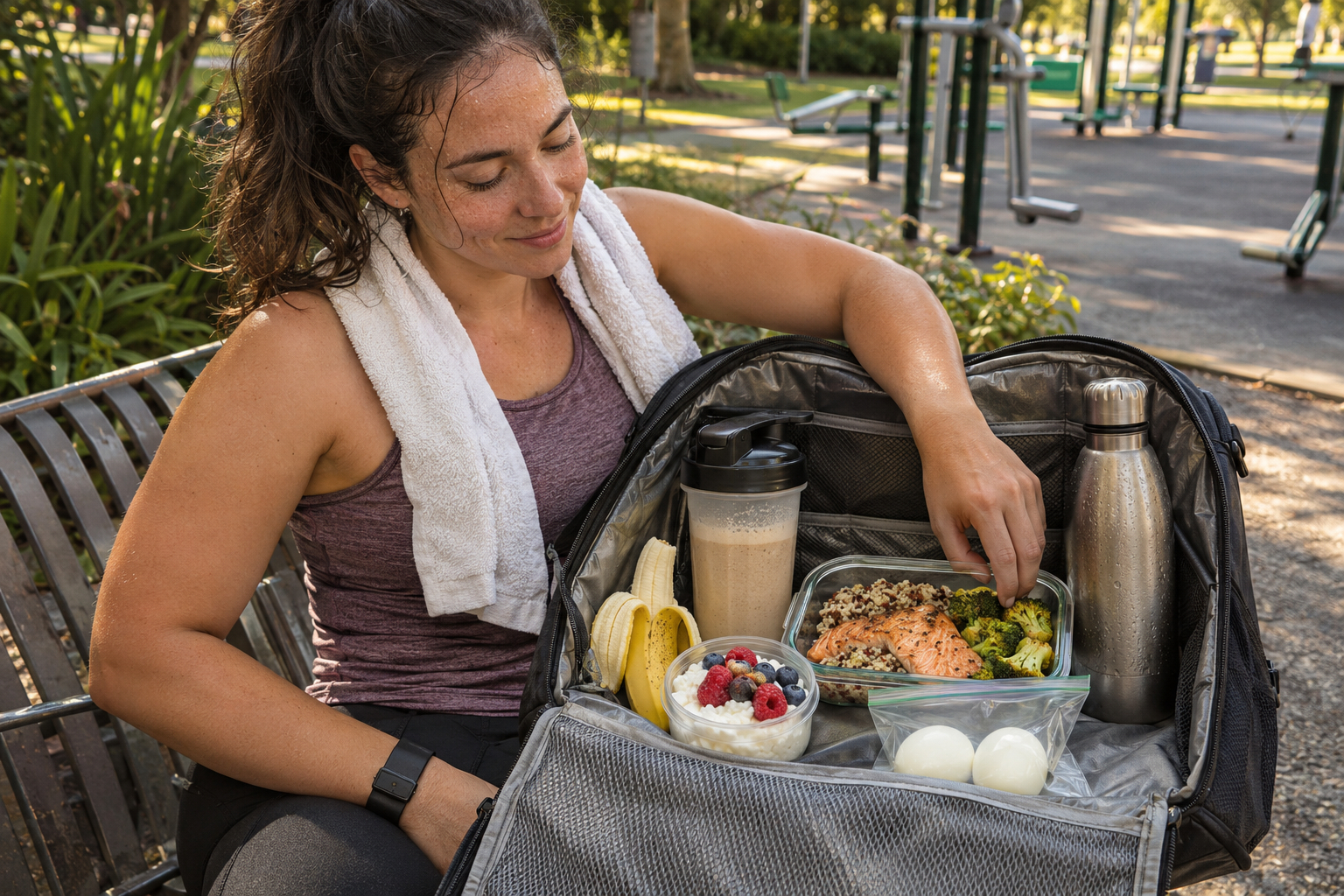
After a solid workout, what you eat matters as much as the effort you put in. Choosing the right mix of protein, carbohydrates and fluids helps repair muscle fibers and restore energy stores without forcing complicated recipes. This short guide focuses on accessible foods and simple pairings you can prepare at home to support recovery. Read on for practical combos and timing tips that fit a busy routine.
First 30–60 Minutes: Prioritize Protein and Fluids
The first feeding window after exercise is a good opportunity to supply amino acids for muscle repair and replace fluids lost through sweat. Aim for a modest portion of high-quality protein paired with a quick carbohydrate to top off glycogen. Dairy, eggs, or a plant-based shake with a banana are convenient choices that deliver both nutrients and hydration in one go. If you prefer whole foods, cottage cheese with fruit or a turkey wrap also fits this time frame.
Keeping this snack simple reduces the chance of skipping it. A small, balanced bite promotes recovery without causing gastrointestinal discomfort.
Easy Plate Combos for Complete Meals
For your next meal, build plates that combine three components: lean protein, a whole-grain carbohydrate, and colorful vegetables. Protein supports rebuilding, carbs refill energy, and vegetables add micronutrients and antioxidants needed for inflammation control. Examples include grilled salmon with quinoa and roasted broccoli, or a chickpea salad with brown rice and mixed greens. These combinations are straightforward to batch-cook and portion for several days.
- Protein: chicken, fish, tofu, legumes
- Carbs: sweet potato, whole grains, fruit
- Veggies: leafy greens, peppers, cruciferous vegetables
Preparing components ahead makes it easier to assemble a recovery-focused meal when you’re tired after training. Small adjustments, like swapping white rice for quinoa, increase nutrient density.
Timing, Portions, and Practical Tips
Meal timing depends on your schedule, but a post-workout snack within an hour and a full meal within two to three hours works well for most people. Portion sizes should match workout intensity — longer, harder sessions need more carbohydrates. Hydration matters: pair salty snacks or add a sprinkle of salt to recovery beverages if you had a heavy sweat session. Also, aim for variety across the week to cover different nutrient needs without overthinking each meal.
Keep staples on hand like eggs, canned tuna, whole grains, and frozen vegetables. They make consistent recovery easier and reduce reliance on processed convenience foods.
Conclusion
Focus on simple, balanced choices: protein, carbs, and fluids are the baseline for effective recovery. Prepare versatile ingredients ahead to streamline post-workout meals and adjust portions to match effort. With a few reliable staples, supporting muscle repair becomes an easy habit rather than a chore.