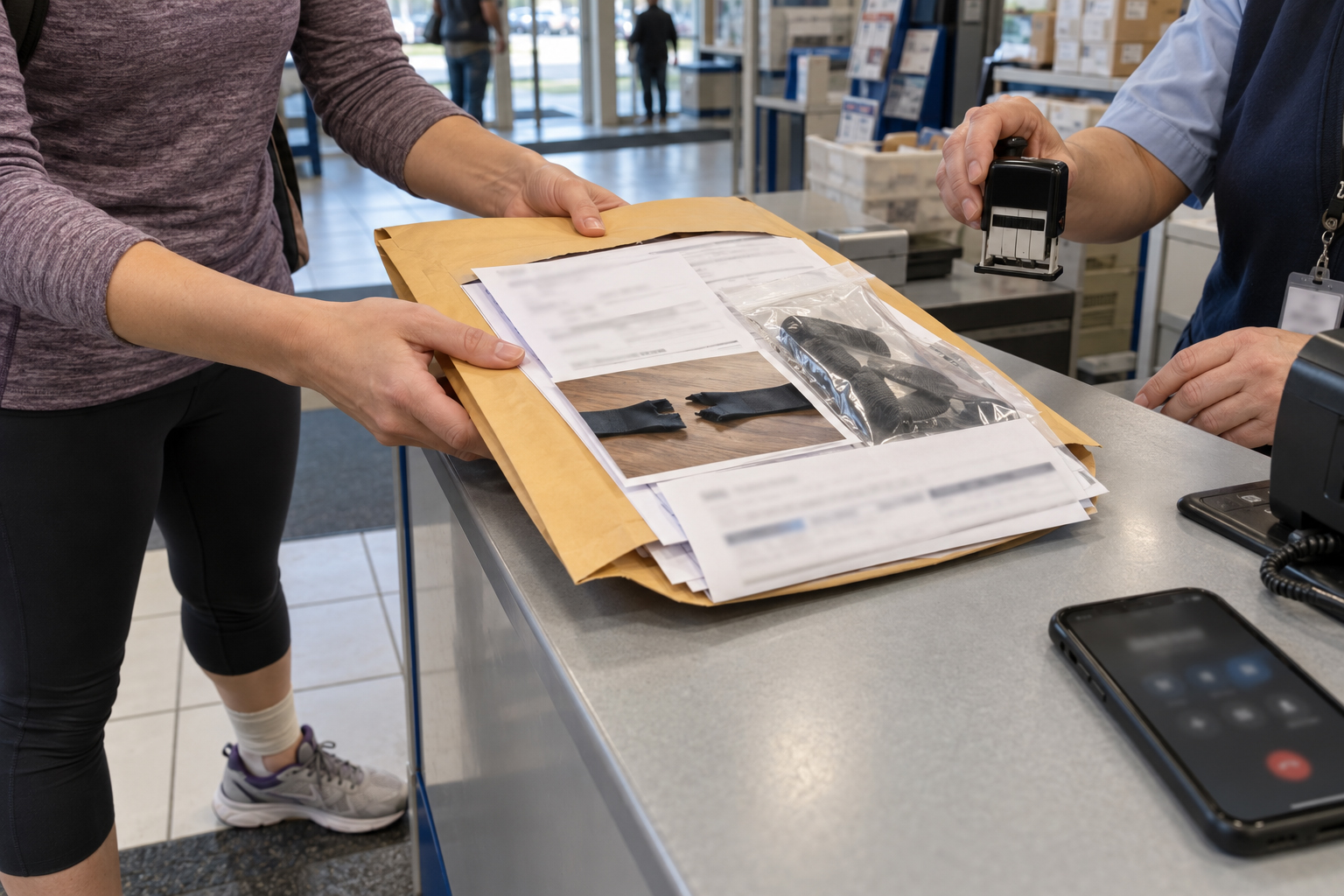
If a home workout leaves you injured, the paperwork and phone calls that follow can feel overwhelming. Acting promptly — and knowing what insurers typically ask for — reduces surprises later. This piece lays out practical steps to document the incident, choose care wisely, and deal with bills and appeals. Keep calm, gather facts, and move through the process methodically.
First Steps: Document and Seek Care
Start by treating any urgent medical needs; don’t delay care because of coverage questions. After immediate care, document the scene with photos, note time and symptoms, and save any equipment involved. Obtain formal medical records for every visit, including telehealth notes, because insurers rely on those documents when processing claims. These records form the backbone of any later appeal or dispute.
- Photograph the location and angle of the accident.
- Save receipts, prescriptions, and provider contact details.
- Get a written summary or after-visit note from clinicians.
Collecting clear, dated evidence early makes later steps smoother. Even small gaps in documentation can slow or complicate a claim.
Contact Your Insurer and Understand Coverage
Call your insurer to report the visit and ask which services are covered in-network versus out-of-network. Ask specifically about emergency vs. urgent care rules, telehealth coverage, and prior authorization requirements for imaging or therapy. Record the representative’s name, date, time, and the reference number for the call. If your plan has online portals, upload key documents there to create a digital trail.
Knowing whether a referral or prior authorization is needed before scheduling follow-up care prevents surprise bills. If a provider isn’t in-network, ask for an estimate and whether payment can be negotiated while you pursue coverage.
Paying Bills, Claims, and If a Claim Is Denied
Review every Explanation of Benefits (EOB) carefully; EOBs explain what the insurer paid, denied, or considered patient responsibility. If a bill looks wrong, contact the provider’s billing office and the insurer to reconcile differences. For denied claims, request a written denial reason and follow the insurer’s appeal process within stated timelines. Keep copies of appeals, medical records, and any supporting statements from treating clinicians.
If appeals don’t succeed, consider involving a patient advocate or independent review board. Many disputes are resolved when additional clinical context or corrected billing codes are submitted.
Conclusion
Document the injury, secure medical records, and keep every receipt.
Call your insurer, note details of those calls, and check EOBs closely.
If a claim is denied, appeal with clear evidence and consider advocacy help.