Recovering movement after medical treatment often feels slow and uncertain.
Small, intentional adjustments at home can reduce pain, lower fall risk, and rebuild confidence.
This piece outlines practical habits you can try without special equipment and with minimal time each day.
No dramatic routines — just focused choices repeated in short daily windows.
Start Small and Specific
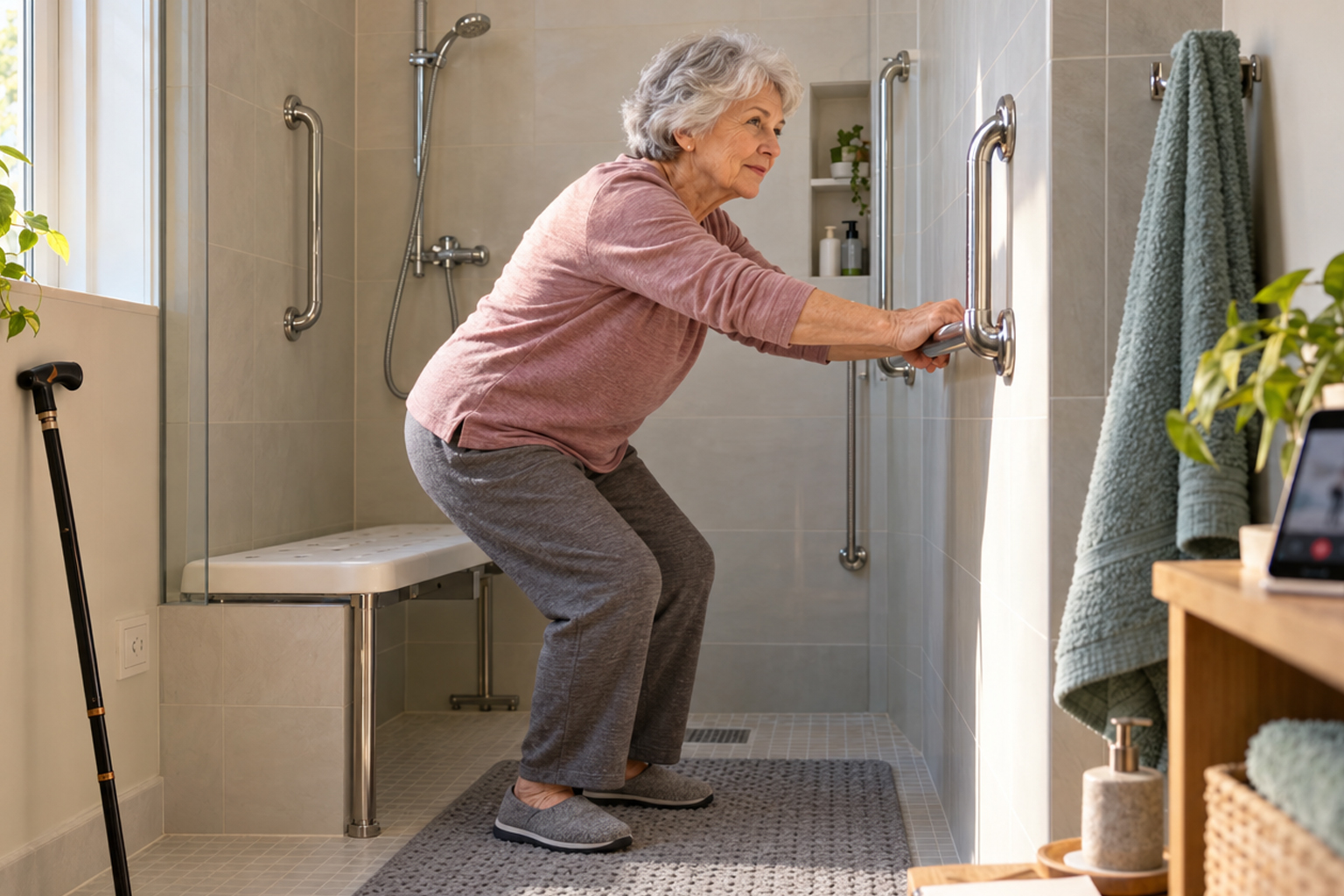
Begin with everyday tasks you already do: rising from a chair, stepping onto a curb, or moving in and out of the shower.
- Sit-to-stand: use armrests for leverage and push through your heels.
- Step-up: face a railing or banister and lead with the stronger leg.
- Transfer practice: slow, steady weight shifts before completing the movement.
Break each task into tiny parts and practice one chunk until it feels stable; focus on steady breathing and pause between repetitions to assess discomfort.
Create a Safer Daily Flow
Small changes to your environment reduce risky moments and conserve energy throughout the day.
- Keep frequently used items within arm’s reach to avoid twisting or overstretching.
- Clear pathways and remove loose rugs to lower trip hazards in high-traffic areas.
- Use non-slip mats and stable footwear to improve grip during bathing and dressing.
Good lighting and a few grab bars in key places pay off quickly. Treat the house as a training ground that makes success more likely. Revisit these adjustments every few weeks as mobility changes.
Track Progress Without Pressure
Choose one measurable, modest goal — for example, five steadier sit-to-stands — and note it each day.
Use a simple log to record the goal plus a short note about pain or ease; photos or short videos can help you notice subtle improvements and keep technique honest.
Seeing small wins, like fewer stumbles or smoother transfers, motivates steady practice. If progress stalls, simplify the task, lower the reps, or discuss next steps with a clinician.
Conclusion
Tiny, sensible changes at home add up to meaningful movement improvements.
Prioritize safety, short sessions, and realistic tracking.
Over time those small gains make moving with confidence familiar again.