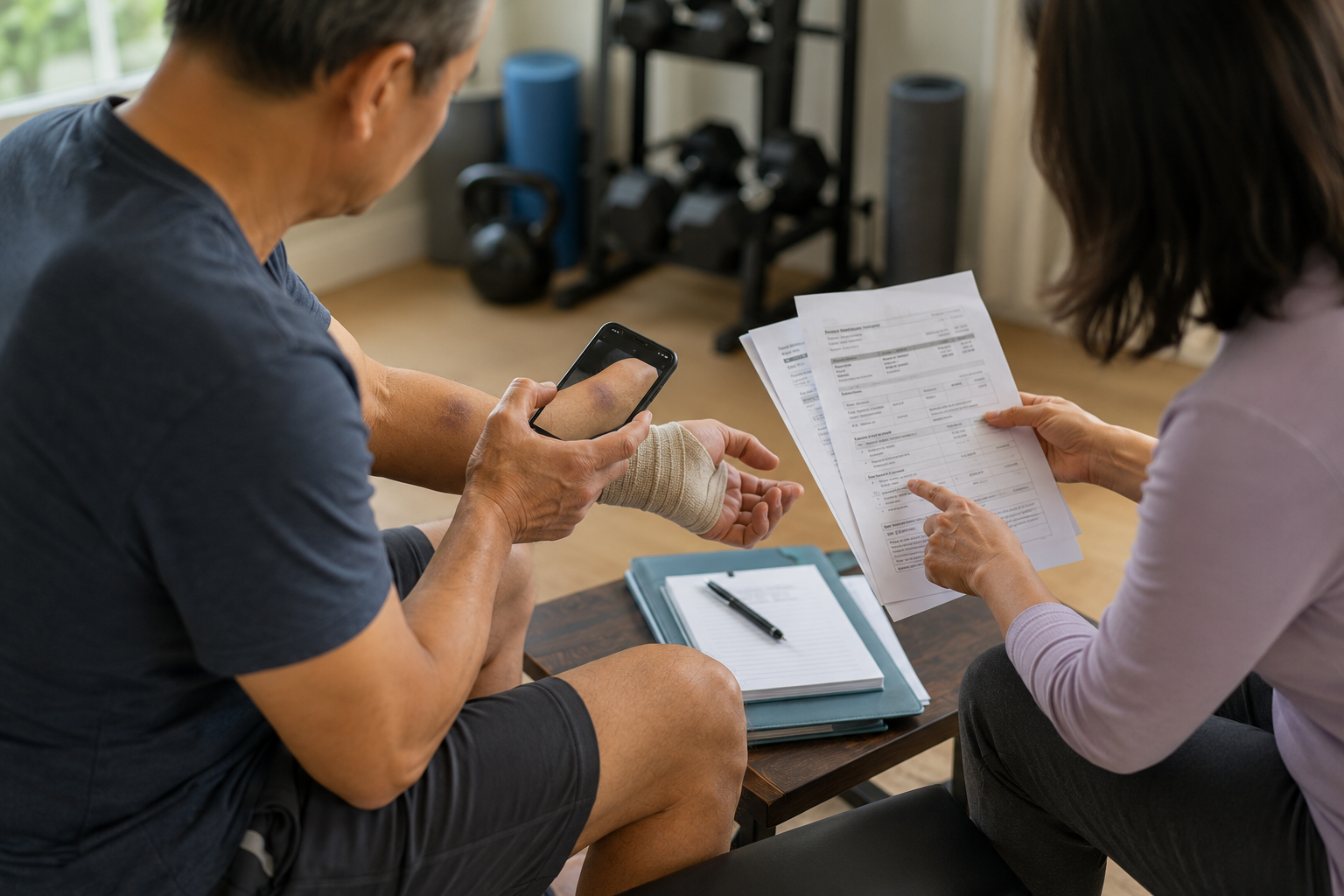
Using a home gym is a convenient way to stay active, but injuries can happen even during routine sessions. Understanding how your health plan responds to those incidents helps reduce stress and out-of-pocket costs. This article outlines practical checks and steps to make a claim smoother and faster. Read on to learn which policy features matter and how to prepare if an injury occurs.
Knowing your coverage ahead of time lets you choose the right care setting and document events properly. Being proactive also speeds approvals and minimizes surprises when providers bill your insurer.
Policy elements to verify
Start by reviewing emergency, urgent care, and outpatient coverage so you know where to seek treatment depending on severity. Confirm whether telehealth visits are covered for initial triage and follow-up consultations, and check any telehealth provider lists. Look at deductibles, copays, and out-of-network penalties that could affect total costs if you see a specialist. Also verify whether rehabilitation services such as physical therapy require prior authorization or have visit limits.
Keep a brief summary of these elements handy for quick reference. That summary will guide your decisions immediately after an injury.
Steps to take immediately after an injury
If the injury appears serious—heavy bleeding, loss of consciousness, or suspected fracture—seek emergency care right away. For non-emergencies, a telehealth consult can determine whether in-person care or self-care is appropriate. Document what happened, including date, time, activity, and any equipment involved, and take photos of the scene and injuries if possible. Early documentation supports claims and helps medical staff understand the mechanism of injury.
Contact your insurer promptly to report the event and ask about preferred providers. Early communication reduces the chance of denied claims based on missed notifications.
Documentation and claims tips
Save all medical records, receipts, and provider notes; insurers often request clinical details to process claims. If the plan requires prior authorization for imaging or rehab, request it before scheduling non-urgent services. When submitting a claim, include your narrative, provider reports, and any visual evidence you collected. If a claim is denied, review the insurer’s reason and prepare an appeal with supporting documentation.
Maintain a chronological file of events and communications to make appeals easier. Consistent records increase the likelihood of a favorable review.
Preventive adjustments and plan reviews
After an injury, consider whether your home setup or exercise routine needs modification to reduce future risk. Review your policy annually to ensure emerging needs like extended rehab or durable medical equipment are covered. Compare plans during enrollment windows to find options with better rehab benefits or lower out-of-pocket limits if you train frequently at home. Small changes to coverage can pay off if you use services repeatedly.
Implement safety improvements and keep your insurer informed about durable equipment purchases when relevant. Proactive planning helps protect both your health and your finances.
Conclusion
Confirm emergency, telehealth, and rehab benefits before you need them to avoid surprises. Document injuries and communicate with your insurer promptly to support smooth claims. Regularly review and adjust your plan to match how often and intensely you use your home gym.