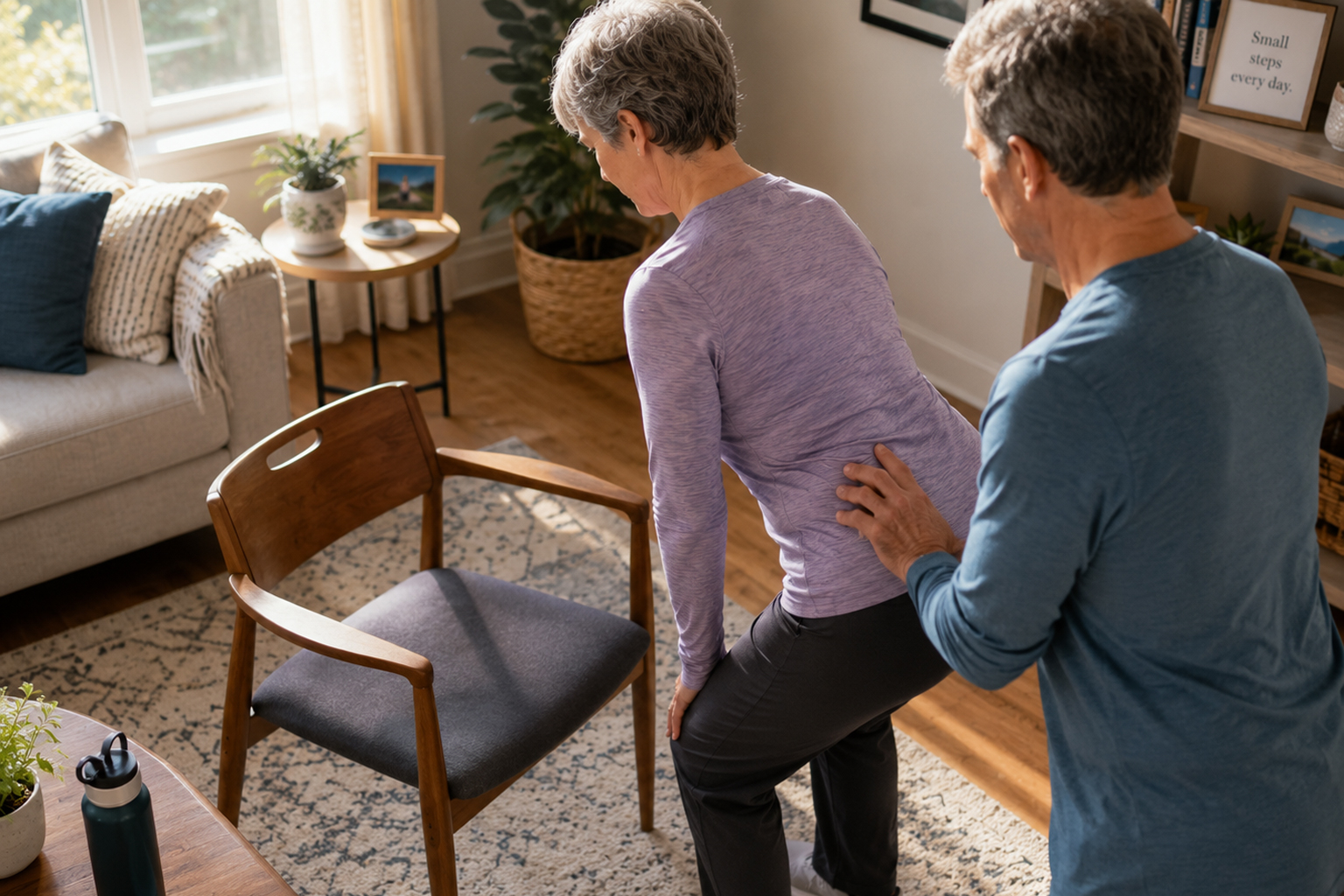
Managing persistent muscle and joint pain at home requires consistent, low-risk practices that build resilience over time. Small daily actions — intentional movement, targeted rest, and ergonomic adjustments — can reduce strain and improve function. The goal is not to eliminate all discomfort immediately but to create habits that limit flare-ups and support steady improvement. This article outlines practical principles and specific steps you can adopt without special equipment.
Principles of Gentle Home Practice
Start with three guiding principles: consistency, progression, and listening to your body. Consistency means short, regular sessions rather than sporadic intense efforts, which can provoke setbacks. Progression involves gradual increases in load, range, or duration so tissues adapt safely over weeks. Listening to your body helps you adjust intensity and incorporate rest before pain escalates.
Adhering to these principles reduces risk and promotes functional gains. They form the foundation for any at-home program aimed at long-term comfort.
Practical Daily Moves to Start With
Choose low-impact movements that target mobility, stability, and gentle strength around affected areas. Examples include controlled hip hinges, wall push-ups, seated leg slides, and thoracic rotations performed slowly and within a comfortable range. Aim for two to three brief sets of 8–15 repetitions for strength-focused moves and ten slow repetitions for mobility exercises. Consistency and quality of movement matter more than intensity in the early stages.
- Hip hinge: hinge at hips, keep spine neutral, stop before discomfort.
- Wall push-up: hands at shoulder height, move slowly, breathe evenly.
- Seated leg slide: slide foot to extend knee, maintain gentle control.
These movements are adaptable to most living spaces and require minimal time. Progress by adding repetitions, range, or a light resistance band when movement feels easier.
Adjusting Your Space and Schedule
Small environmental tweaks reduce unnecessary strain throughout the day and support recovery. Adjust chair height, bring commonly used items within reach, and alternate sitting with standing every 30 to 60 minutes. Schedule short movement breaks and simple routines around activities you already do to make them habitual.
Environmental and scheduling changes lower daily load and make healthy choices automatic. Over time they compound into meaningful reductions in flare-ups and discomfort.
Monitoring Progress and Knowing When to Seek Help
Track simple metrics like ease of daily tasks, sleep quality, and pain patterns to judge progress. Keep a brief log of exercises, perceived exertion, and any triggers to identify trends over weeks. If movement becomes easier, gradually increase challenge; if pain consistently worsens despite pacing, stop and consult a qualified clinician. Use progress as a guide rather than a strict timetable because recovery varies by person.
Regular self-monitoring helps refine your program and prevents overreach. Seek professional input when you notice persistent worsening or new symptoms that limit function.
Conclusion
Adopt steady, gentle practices and focus on gradual progress rather than quick fixes. Combine simple movements with ergonomic changes and regular rest to build resilience. Small consistent steps at home can significantly improve daily comfort and function.