A clear insurance approach helps protect home gym users and preserves recovery options.
This brief guide outlines how to evaluate risks, compare plan features, and prepare for claims related to home exercise.
It is written for people who train at home regularly and want practical steps to avoid coverage surprises.
Following these steps can reduce out-of-pocket costs and speed access to necessary care.
Assess Your Home Gym Risks
Begin by inventorying the equipment you own, the types of workouts you perform, and any preexisting conditions or prior injuries that could influence treatment needs. Pay particular attention to higher-risk activities such as heavy lifting, plyometrics, or solo cardio sessions on elevated surfaces. Consider how often you exercise, whether you work with a trainer, and how quickly you would seek care if injured. This foundational assessment helps you identify the likely services—imaging, urgent care, or physical therapy—that a policy should cover.
- Common injuries: strains, sprains, overuse conditions, falls.
- Situations needing urgent care versus routine follow-up.
- Rehab expectations for returning to activity.
Use this risk profile when asking insurers targeted questions. A clear picture makes it easier to match benefits to realistic needs and to document claims.
Compare Plan Features That Matter
When reviewing plans, focus on network access, rehabilitation coverage, telehealth availability, and how the policy treats urgent versus emergency care. Check details like preauthorization requirements for physical therapy, limits on sessions, and whether durable medical equipment is reimbursed or excluded. Understand deductible and copay structures as well as the annual out-of-pocket maximum that determines worst-case costs. Also review exclusions and any waiting periods that might affect coverage for sports-related treatment.
- Telehealth for quick triage and follow-up appointments.
- Physical therapy limits and copay structures.
- Durable equipment and assistive device benefits.
Prioritize features that align with your injury profile rather than selecting purely based on premium. That approach typically lowers long-term costs and improves recovery pathways.
Manage Costs and Claims Efficiently
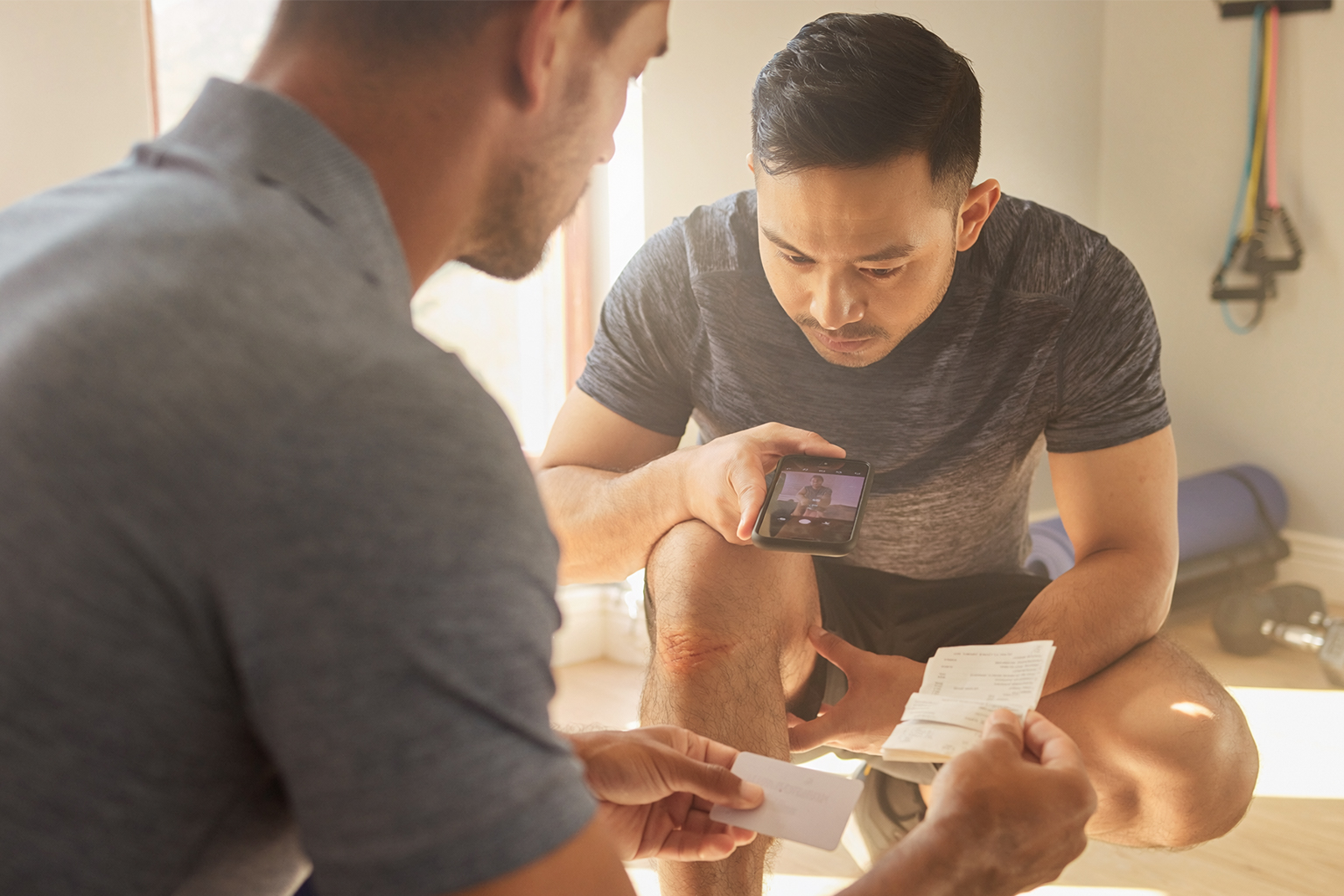
Adopt preventive practices and maintain detailed records to streamline any future claims process. Keep receipts for equipment purchases, repair invoices, trainer fees, and any medical visits related to your home workouts. Learn your insurer’s claim submission process and timelines, and document injuries promptly with photos and provider notes. Early, organized documentation helps secure approvals for imaging, specialist visits, or extended rehabilitation when needed.
- Document incident date, circumstances, and immediate care given.
- Retain invoices and medical notes linked to the injury.
- Follow up promptly on claim denials or requests for additional information.
Consider a health savings account or a modest accident policy to cover gaps if your main plan has high cost-sharing. These tools can protect your finances while you recover and return to activity.
Conclusion
Review your routine and risk profile at least annually and before buying new equipment.
Match plan benefits to likely treatments, rehab needs, and telehealth options you may use.
Document incidents quickly and maintain records to support smoother claims and better recovery.