Persistent musculoskeletal pain often responds to steady, practical changes rather than dramatic interventions. Small adjustments to how you move, rest, and arrange your home can reduce daily strain and support recovery. This article highlights approachable strategies you can adopt at home to improve comfort and function over time. The suggestions are useful for building a sustainable routine that complements professional guidance.
Assess and Adapt Your Environment
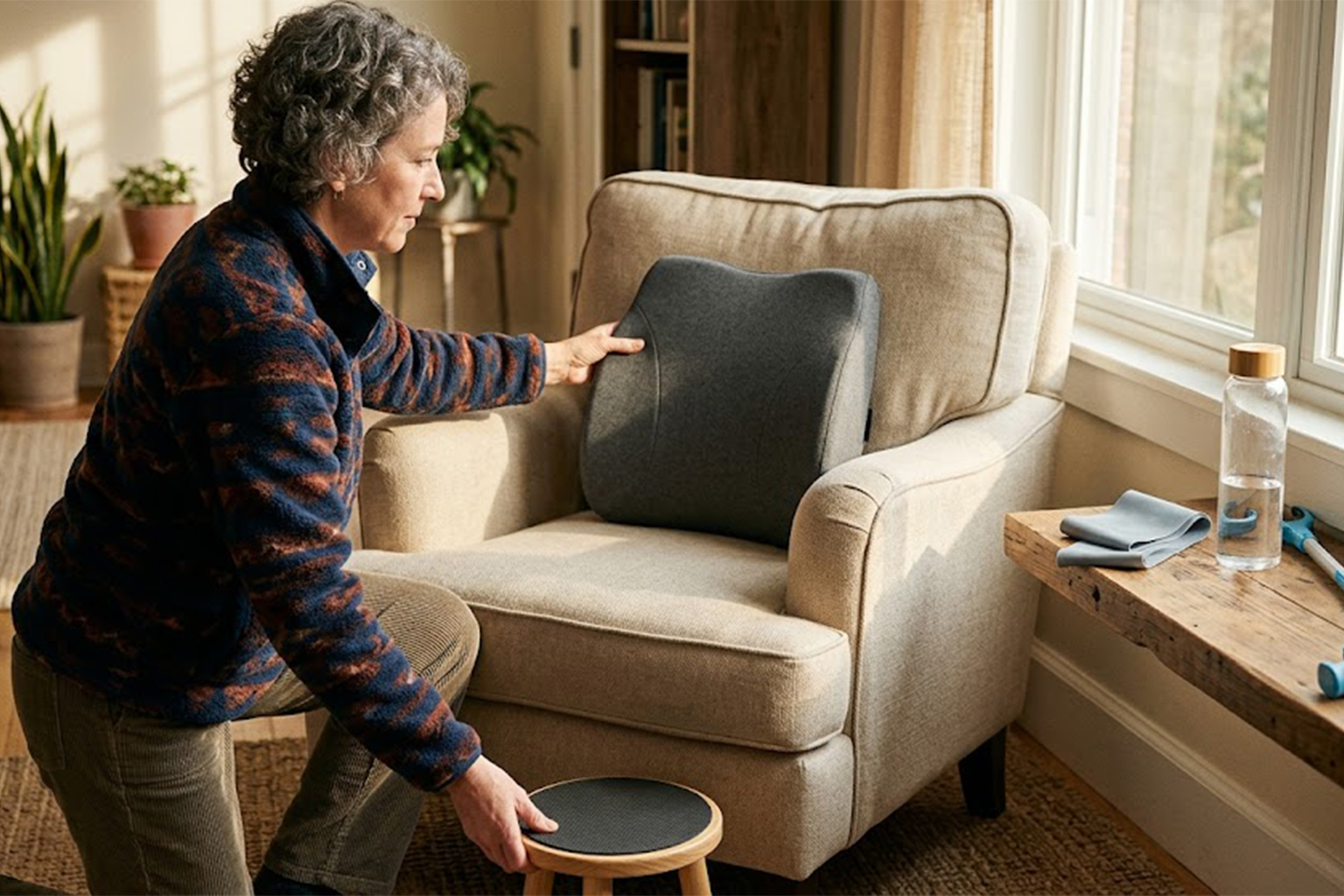
Begin by surveying the rooms where you spend the most time and note awkward reaches, prolonged postures, and repetitive tasks. Minor changes such as adjusting seat height, placing frequently used items within easy reach, or adding supportive cushions can change load patterns on joints and muscles. Consider light-weight assistive tools that reduce strain during chores and routines. A few well-chosen adaptations often yield measurable day-to-day relief.
Implement changes gradually and evaluate their effect on comfort and mobility. Small pilot adjustments let you find what truly helps without overcommitting to unnecessary purchases. Track which modifications reduce symptoms so you can refine your setup over time.
Prioritize Gentle Movement and Strength
Regular, low-impact movement maintains joint range and strengthens muscles that support painful areas. Focus on short, frequent sessions that mix mobility work with gentle strengthening—bodyweight routines, resistance bands, or light weights work well. Maintain a progression plan so you increase load in manageable steps, and avoid all-or-nothing exercise patterns that trigger setbacks. Consistent, modest gains compound into improved function and less pain over months.
Include targeted mobility for stiff regions and basic strengthening for the surrounding stabilizers. A balanced approach helps you move more efficiently and reduces compensatory strain in other areas.
Manage Flares with Structure
Expect periodic flares and plan for them with clear pacing strategies. Alternate activity and rest, use heat or cold for symptom relief as appropriate, and reduce task intensity rather than stopping entirely when possible. Keeping basic movement during flares prevents deconditioning and supports a quicker return to usual routines. Have a simple flare protocol so you can respond calmly when discomfort rises.
Document flare triggers and tweaks that ease symptoms to build a personalized management toolkit. Over time this reduces anxiety around setbacks and improves long-term resilience.
Support Recovery Through Sleep and Daily Rhythm
Quality sleep and predictable daily patterns influence pain perception and healing. Optimize sleep posture and bedding, establish a consistent bedtime routine, and balance demanding tasks across the day. Hydration, gentle evening movement, and stress management also contribute to better restorative cycles. When rest is prioritized, pain often becomes more controllable and energy for therapeutic activity improves.
Small routine shifts can produce outsized benefits for recovery. Evaluate what consistently helps your nights and days, then make those practices habitual.
Conclusion
Meaningful pain reduction at home comes from steady, practical changes rather than quick fixes. By adapting your environment, prioritizing gentle movement, planning for flares, and supporting sleep, you build a sustainable foundation for improvement. Commit to gradual adjustments and track what works so your home becomes a place that actively supports recovery.