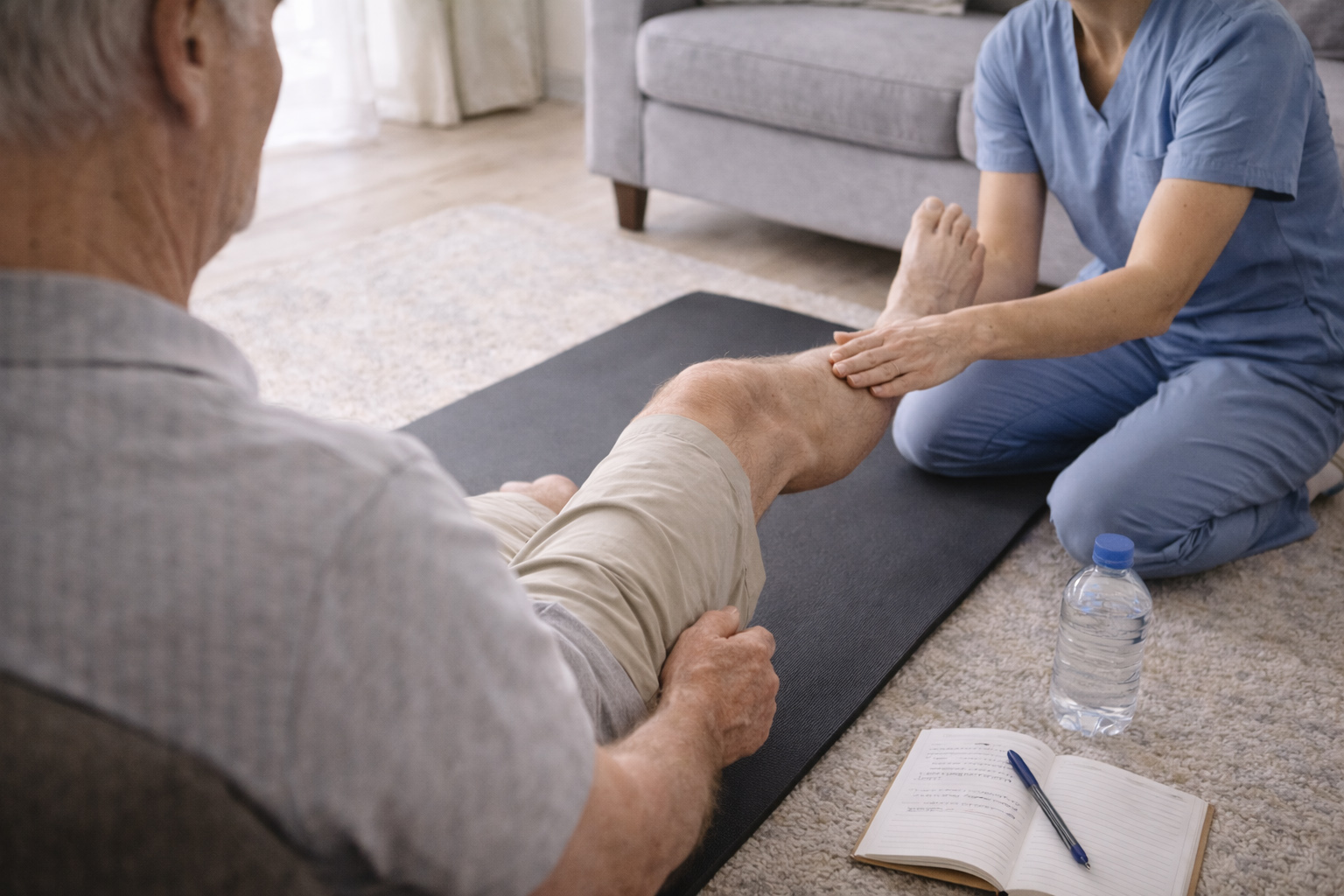
Living with chronic pain can make exercise feel intimidating, but thoughtful home-based movement is often a safe and effective complement to medical care. This article outlines practical strategies to reduce risk, improve mobility, and support daily function without requiring specialized equipment. The goal is to build consistency, respect pain signals, and promote small, measurable improvements over time. Use the guidance here to create routines that fit your abilities and clinical advice.
Understanding pain and movement
Chronic pain does not always indicate ongoing damage, yet it requires careful attention when introducing exercise. Gentle movement can help reduce stiffness, improve blood flow, and retrain the nervous system to respond differently to sensations. Begin with low-impact activities and prioritize range-of-motion and breathing before adding intensity. Learn to distinguish between discomfort that signals progress and sharp pain that calls for rest or modification.
- Track patterns: note activities that improve or worsen symptoms.
- Respect flare-ups: reduce load rather than stop all activity.
Working with a clinician to clarify safe limits can prevent setbacks and build confidence. Small, consistent gains often lead to meaningful improvements in function and quality of life.
Designing a safe home routine
Create a balanced plan that includes mobility, strength, and gentle cardio tailored to your current capacity. Start with short sessions—five to ten minutes—and increase duration gradually as tolerance improves. Focus on controlled movements, proper posture, and breathing cues; use household items like water bottles for light resistance when appropriate. Incorporating heat or gentle stretching before sessions can ease stiffness and prepare tissues for movement.
Schedule workouts on days and times when symptoms are typically lower, and alternate harder days with restorative practices. Consistency is more important than intensity for long-term benefit, so set realistic, achievable goals and celebrate small wins.
Monitoring progress and adapting
Keep a simple log of activities, pain levels, and functional changes to identify what works best for you. Objective markers such as minutes of activity, number of repetitions, or distance walked help track improvement without relying only on pain scores. Periodically reassess goals and adjust exercises to maintain challenge and prevent plateau.
Seek professional input if pain increases, new symptoms appear, or you struggle to progress. A therapist can help modify movements, introduce targeted strengthening, or recommend assistive strategies to keep you moving safely.
Conclusion
Home exercise for chronic pain emphasizes gradual progression, self-monitoring, and sensible modifications to reduce risk. With consistent, tailored routines and collaboration with clinicians, many people improve mobility and daily function. Start small, stay observant, and prioritize sustainable habits that support long-term wellbeing.