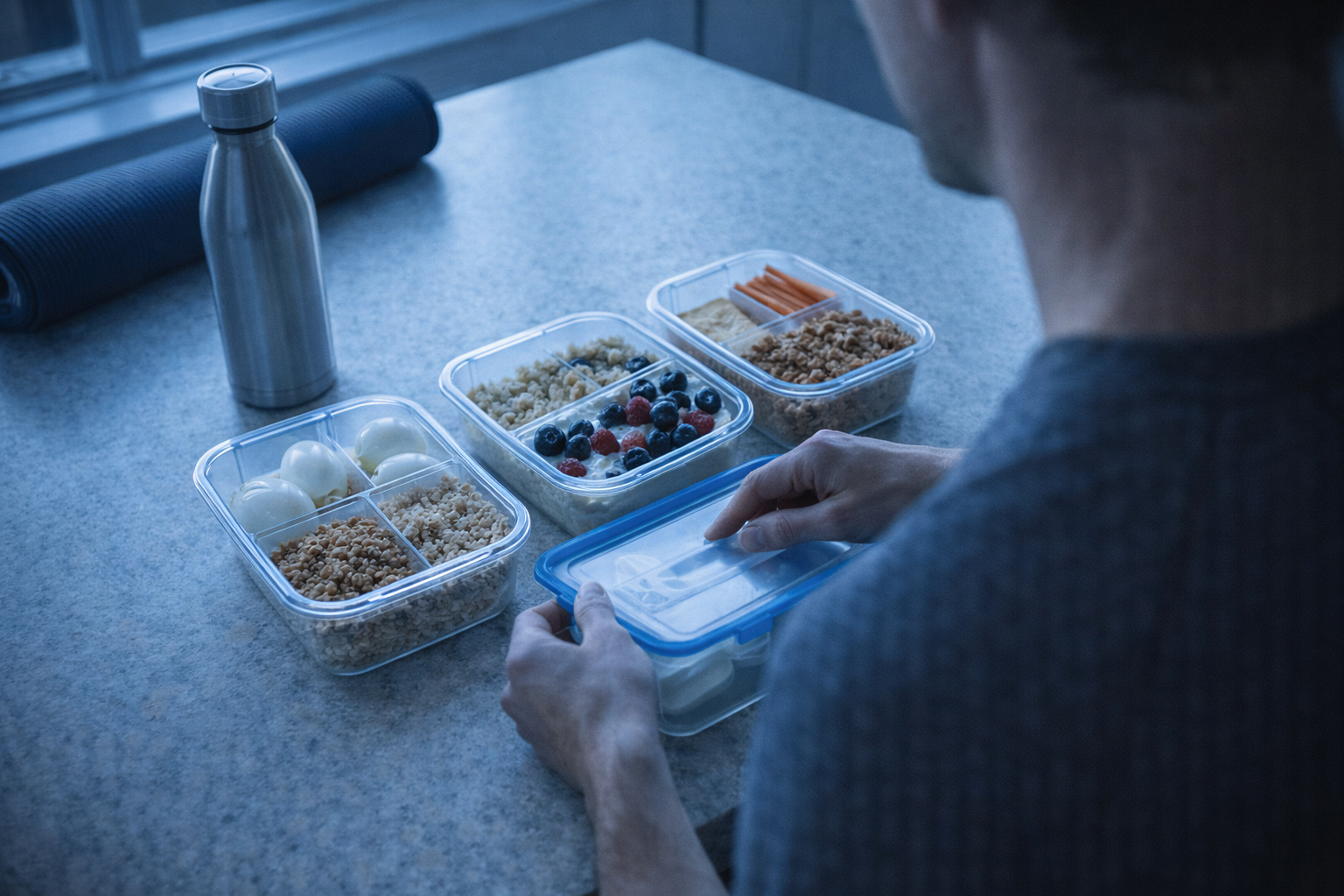
Establishing simple, consistent nutrition habits makes home fitness more effective and sustainable. Small changes to meal structure and snack choices can improve energy, recovery, and long-term results. This article outlines practical strategies you can adopt without a major overhaul of your daily routine. The focus is on balance, convenience, and habits that support regular activity.
Protein and Meal Timing
Prioritizing protein across meals helps preserve muscle and supports recovery after training sessions. Aim to include a source of lean protein with breakfast, lunch, and dinner to stabilize blood sugar and maintain satiety. Timing protein intake around tougher workouts—within a couple of hours before or after—can enhance repair and adaptation. Small, consistent portions across the day are often more manageable than one large serving.
Planning simple protein options reduces decision fatigue and makes consistency easier. Prepare a few ready-to-eat items like boiled eggs, yogurt, or pre-portioned legumes to streamline busy days.
Whole Foods and Smart Snacks
Emphasizing whole foods ensures a supply of vitamins, minerals, and fibre that support energy and digestion. Whole grains, vegetables, fruits, nuts, and minimally processed proteins provide steady fuel for workouts and daily activity. Smart snacking bridges gaps between meals without derailing progress; choose combos that pair carbohydrates with protein or healthy fats. Avoid relying on highly processed snacks that lead to quick energy crashes and less productive training sessions.
- Examples: apple with nut butter, Greek yogurt with berries, hummus and carrot sticks.
- Prep tip: portion snacks into grab-and-go containers to reduce impulsive choices.
When snacks are planned and balanced they can support overall intake goals and prevent overeating at main meals. Consistency in snack quality helps maintain focus and performance throughout the day.
Hydration, Recovery, and Practical Planning
Hydration affects strength, endurance, and cognitive function, so make regular fluid intake a habit before, during, and after sessions. Recovery meals that combine carbohydrates and protein within a couple of hours of exercise support glycogen replenishment and muscle repair. Simple meal prep systems, such as batch cooking or themed dinner rotations, reduce friction and help you stick with nutritious choices. Scheduling grocery runs and prepping components ahead of time increases the likelihood of following through.
Track patterns for a few weeks to identify what works sustainably for your schedule and tastes. Adjust portions and timing gradually rather than attempting dramatic changes overnight.
Conclusion
Adopt a few manageable habits and focus on consistency over perfection. Prioritize balanced meals, thoughtful snacks, and adequate hydration to support home fitness. Small, repeatable practices compound into meaningful improvements over time.