Setting up a safer home exercise environment reduces the chance of strains, falls, and long-term discomfort. Small, intentional modifications to floors, lighting, and equipment can make a big difference for anyone who trains at home. This guide outlines practical, low-cost changes and movement habits that lower injury risk while preserving workout effectiveness. Use these ideas to create a space that supports consistent, confident training.
Assessing your available area and identifying common hazards is the first step toward safer sessions. Begin by clearing clutter and establishing a dedicated workout zone with enough room to move freely. Good lighting and clear sightlines help prevent missteps and poor form, especially during dynamic movements. Think about traffic flow, furniture edges, and any loose rugs or cords that could cause trips.
Optimize flooring and layout
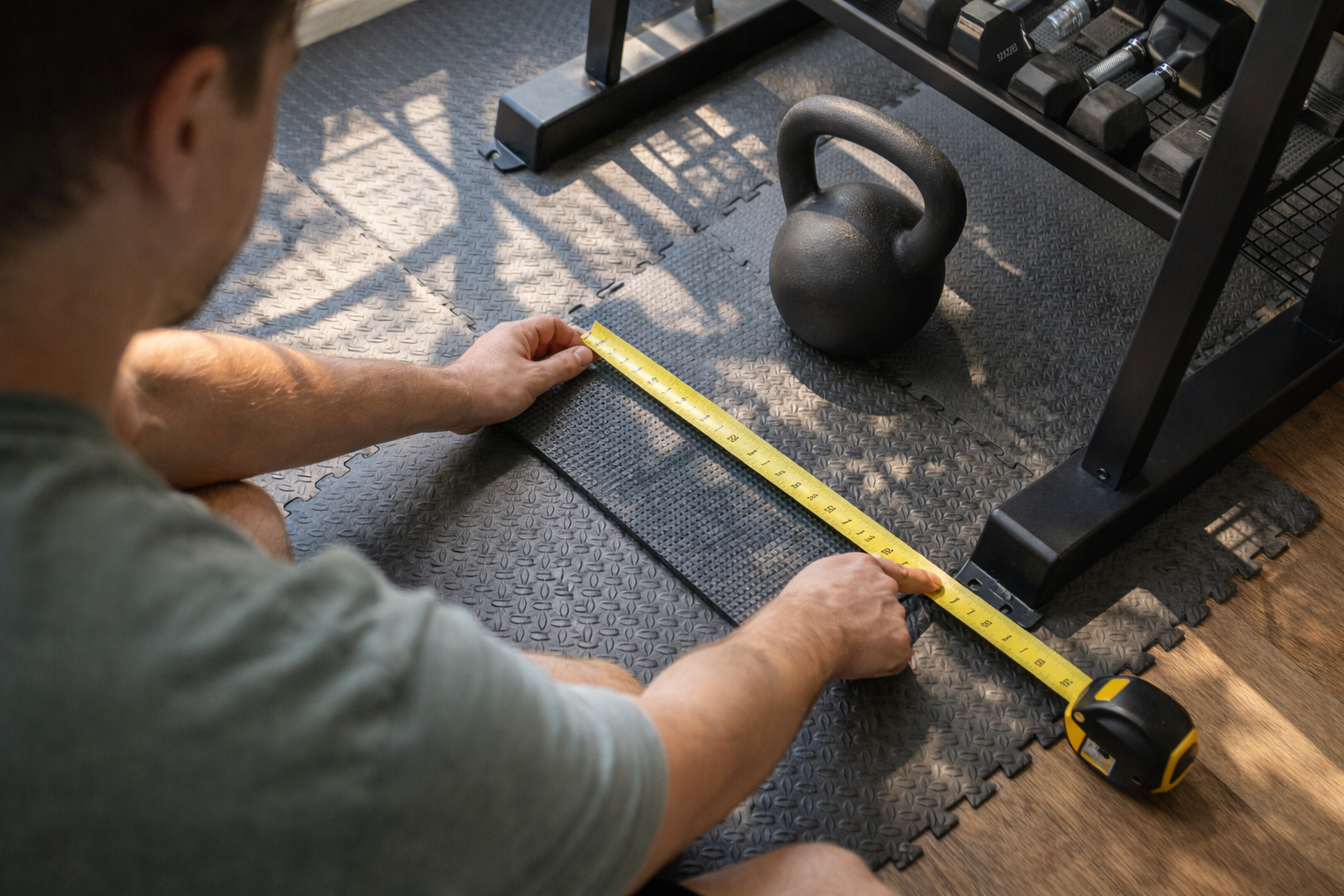
Flooring matters: choose a surface that balances traction and shock absorption appropriate to your activities. Interlocking foam tiles or a quality exercise mat can protect joints for bodyweight and low-impact work, while a firmer surface is better for lifting near a platform. Position equipment to maintain sightlines and allow safe entry and exit from each station. Keep a minimum clearance around frequently used gear to avoid collisions and promote full range of motion.
- Clear at least two arm-lengths around strength equipment.
- Use non-slip pads under machines and mats.
- Anchor tall or heavy items to prevent tipping.
Regularly revisit the layout as your routine changes, and rearrange if new risks emerge. Simple shifts in placement can reduce awkward movements and improve exercise technique. Prioritizing a small, dedicated zone will encourage safer habits and consistency.
Maintain and choose appropriate equipment
Equipment selection and upkeep directly affect safety and performance. Choose tools scaled to your space and skill level, avoiding overly complex machines if you lack room or experience. Inspect straps, cables, and padding for wear before each use and replace compromised items promptly. Proper storage prevents tripping hazards and extends the life of what you own.
- Keep a small repair kit for quick fixes.
- Store weights on racks to prevent rolling.
- Label cords and remove worn accessories.
Investing modestly in reliable gear pays off through reduced injury risk and better training quality. Routine checks and simple repairs are easy habits to build into a weekly schedule. When in doubt, opt for maintenance or replacement rather than prolonged use of damaged equipment.
Warm-up, movement quality, and progression
Movement quality is the cornerstone of injury prevention and begins with a purposeful warm-up. Activate relevant muscle groups, mobilize joints, and include movement patterns that mirror your session’s demands. Progress load and complexity gradually, allowing technique to stay primary as intensity increases. Incorporate recovery days and mobility work to address imbalances and maintain resilience.
- Start sessions with dynamic mobility drills for five to ten minutes.
- Use lighter sets to groove movement patterns before heavier work.
Tracking progress and noting discomfort helps catch issues early and adapt plans sensibly. Educating yourself on safe progressions encourages long-term gains without unnecessary setbacks. Small, consistent improvements in movement and routine design yield meaningful safety benefits.
Conclusion
Thoughtful home modifications and disciplined movement habits greatly reduce exercise-related injuries. Regularly reassess your space, maintain equipment, and prioritize technique over rapid progression. These practical steps help you train more safely and sustainably at home.