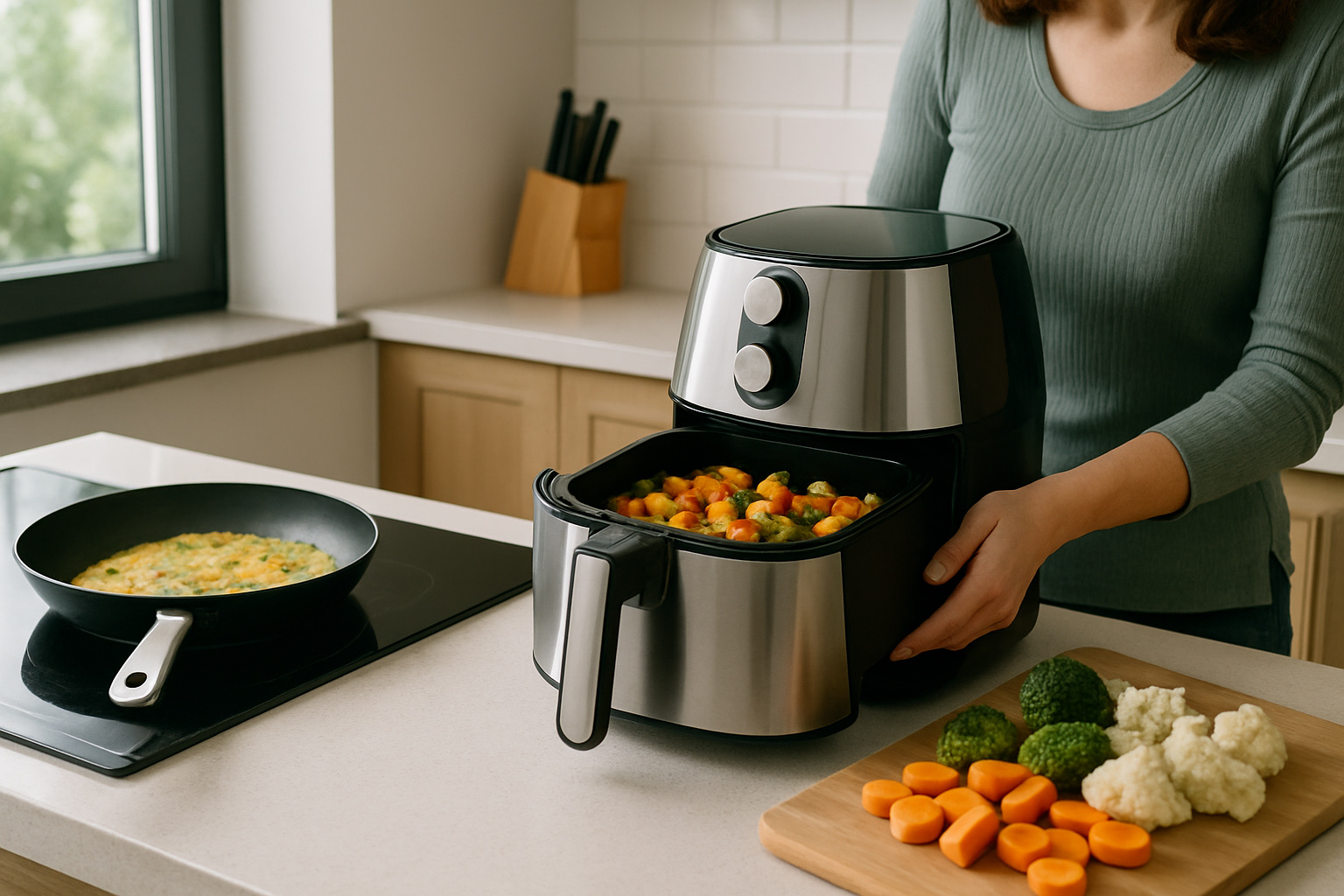
With energy costs rising and households becoming more conscious of sustainability, electricity-saving cooking is becoming a practical and popular approach to preparing meals. Instead of relying on long oven cycles or high-power appliances, this method focuses on smart tools, efficient techniques, and strategic planning to create delicious dishes while using as little electricity as possible.
Smarter Tools, Smaller Footprint
Modern kitchen gadgets allow home cooks to save power without sacrificing flavor. Air fryers, induction burners, slow cookers, and pressure cookers typically use far less electricity than traditional ovens. They heat food faster, maintain steady temperatures, and are designed to maximize energy efficiency. Many households now build entire meal plans around these low-power appliances.
Cooking With Residual Heat
One of the most overlooked techniques in cooking electricity is using leftover heat. Turning off the stove a few minutes early or letting food finish cooking in a warm oven saves energy while keeping textures intact. Grains, pasta, vegetables, and stews maintain heat long enough to finish cooking naturally, reducing overall power use.
One-Pan and Batch Cooking
Meals that require fewer burners and shorter cooking times can dramatically reduce electricity consumption. One-pan dishes consolidate heat use, while batch cooking ensures leftovers for several days with only one cooking session. This approach stretches each watt of electricity across multiple meals, making the kitchen more efficient and budget friendly.
Choosing Ingredients That Cook Quickly
Electricity-saving cooking isn’t just about appliances—it’s also about ingredients. Foods such as eggs, leafy greens, tofu, thin-cut poultry, lentils, and quick-cook grains require significantly less energy to prepare. Pairing these ingredients with smart seasonings allows home cooks to build flavorful meals without long simmering times.
Conclusion
Electricity-saving cooking is a practical and sustainable way to prepare meals that are both flavorful and energy-efficient. By using modern low-power appliances, leveraging residual heat, and choosing smart ingredients, households can reduce energy costs while maintaining delicious, satisfying dishes. It’s a small shift that creates long-term environmental and financial benefits.