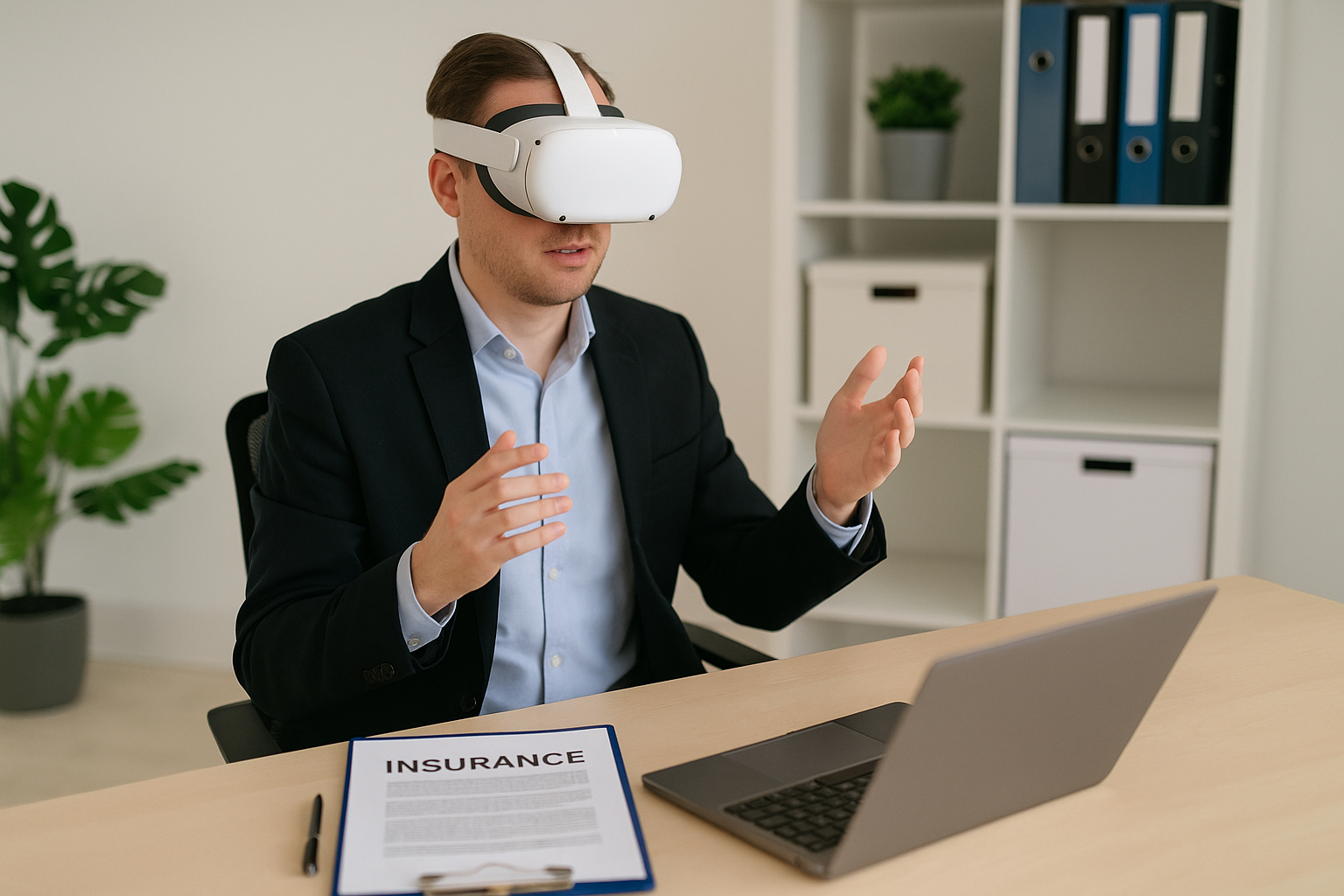
Virtual reality (VR) is reshaping how insurance professionals learn, practice, and deliver support—especially in the medical insurance sector. Traditional training methods rely heavily on manuals, classroom sessions, and role-play exercises, but VR offers a more immersive and realistic alternative. By simulating real-world scenarios, VR helps agents gain confidence, improve decision-making, and deliver better service to customers who rely on them for clarity and care. As the insurance industry modernizes, VR is becoming a powerful tool for building stronger, more responsive customer experiences.
Immersive Simulations for Real-World Situations
Medical insurance is filled with complex scenarios—claims processing, coverage clarification, customer questions, and sensitive conversations. VR allows agents to step into these situations as if they were happening in real time. They can practice guiding customers through benefits, explaining policy details, and handling difficult or emotional conversations. This hands-on learning helps agents build empathy, accuracy, and communication skills that translate directly into better service.
Faster Skill Development Through Experiential Learning
VR training moves beyond reading and memorizing. Agents learn by doing, which speeds up skill development and deepens retention. Instead of imagining how a claim appeals process works, agents can walk through a simulated version of it. They can explore virtual hospital rooms, observe mock medical billing workflows, or follow a patient’s journey through the insurance process. These experiences provide context that traditional training can’t match, making agents more confident and better prepared.
Safe Practice for Complex or Stressful Scenarios
Some medical insurance interactions are high-pressure—such as helping a family understand coverage during a medical crisis or explaining claim denials. VR creates a safe, controlled space where agents can practice these difficult conversations without real-world consequences. They can make mistakes, receive instant feedback, and try again. This builds emotional resilience and ensures agents are ready for sensitive situations when they arise.
Consistent Training Across Large Teams
One of the biggest benefits of VR is consistency. Every agent experiences the same high-quality training modules, regardless of location or schedule. This standardization leads to better customer experiences because teams across regions develop the same level of knowledge and skill. Companies can also update VR modules instantly as medical policies or regulations change, keeping agents informed and compliant.
Conclusion
Virtual reality is transforming medical insurance training by making learning more immersive, efficient, and emotionally engaging. Agents gain practical experience, build confidence, and deliver clearer, more compassionate service. As VR technology continues to advance, it will play a bigger role in shaping how insurance professionals support customers through the most important moments of their healthcare journeys.