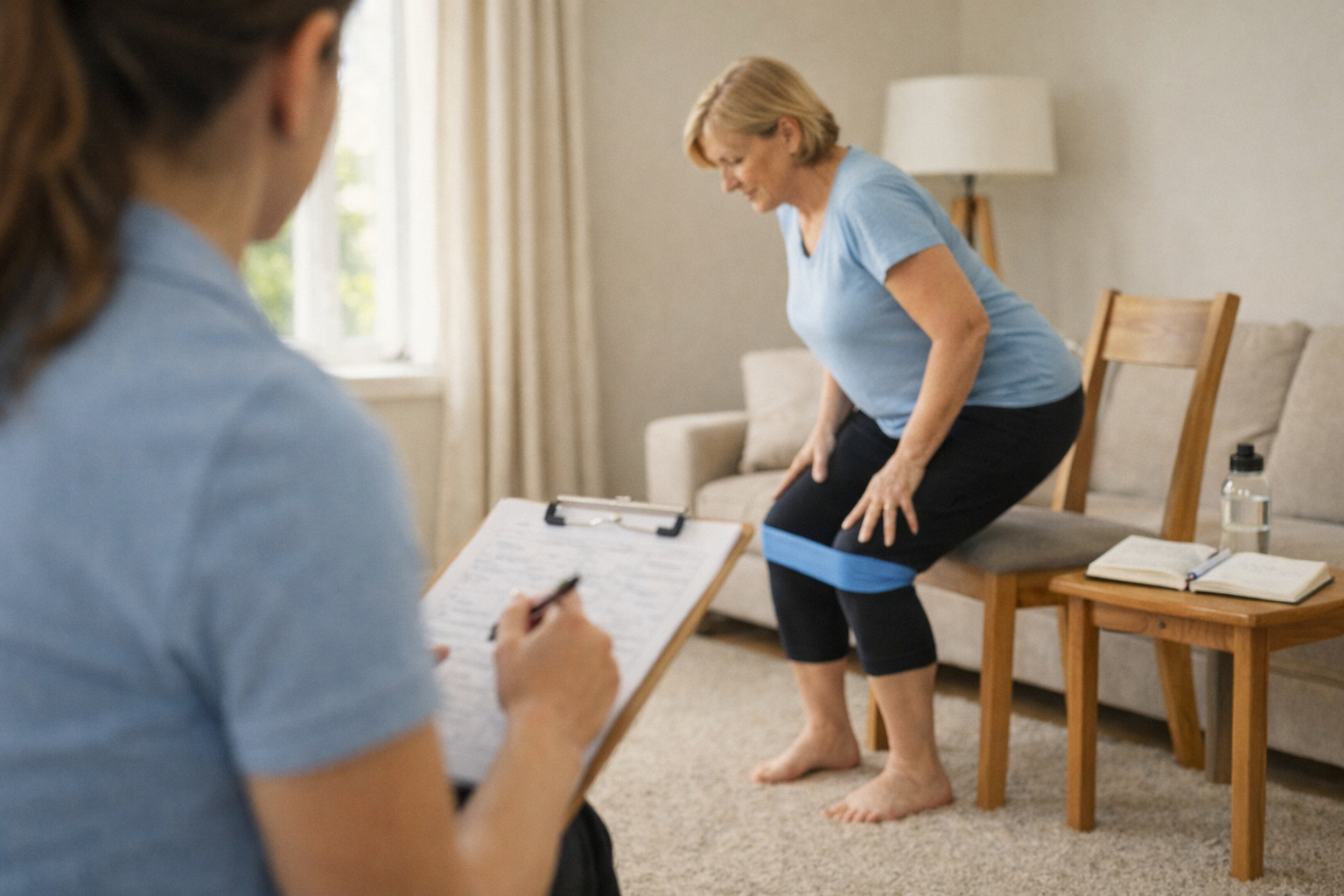
Recovering from illness or injury at home presents both challenges and opportunities for rehabilitation. Structured, low-impact exercise can support healing, maintain mobility, and reduce complications associated with prolonged inactivity. Before beginning any movement program, it’s important to understand limitations, follow professional advice, and progress gradually. This article outlines practical strategies to build a safe and sustainable home fitness routine during recovery.
Why gentle exercise matters
Movement helps preserve strength, circulation, and joint range of motion, which are critical to long-term recovery. Even modest activity reduces the risk of muscle wasting and can support mood and sleep quality. Prioritizing functional movements—such as sit-to-stand, gentle walking, and range-of-motion exercises—promotes independence in daily tasks. Emphasizing safety and pacing minimizes the chance of setbacks. Even brief daily sessions accumulate benefits over weeks and support a steady return to normal activity.
Recognizing these advantages encourages realistic goal setting and steady adherence. Small improvements compound into meaningful gains in function and well-being.
Designing a safe home routine
Start by assessing current abilities and any restrictions recommended by your healthcare provider. Choose low-impact activities that match your fitness level and avoid sudden increases in duration or intensity. Include a warm-up, a core set of strengthening or balance movements, and a cool-down with gentle stretching. Use simple equipment—like a sturdy chair, resistance band, or mat—to expand options without adding risk.
- Warm-up: 5–10 minutes of slow marching or arm circles.
- Strength: 1–2 sets of 8–12 controlled repetitions for major muscle groups.
- Balance and mobility: single-leg stands, hip hinges, and seated twists.
Track sessions in a journal to monitor progress and stay motivated. Adjust exercises as endurance and strength return, keeping safety first. Celebrate small milestones to maintain motivation and reduce frustration.
Monitoring signs and adjusting intensity
Pay attention to how the body responds during and after activity, including pain, breathing, and fatigue levels. Mild discomfort or increased heart rate can be expected, but sharp pain, dizziness, or symptom worsening are signals to stop and consult a professional. Rest, modify the activity, or seek advice if recovery stalls or new concerns appear.
- When to stop: sharp chest pain, severe shortness of breath, fainting, or sudden swelling.
- Progress markers: improved endurance, easier daily tasks, and reduced stiffness.
Use perceived exertion scales and short-term goals to guide gradual progression. Collaboration with clinicians or therapists improves safety and tailors the program to your needs.
Conclusion
Consistency, patience, and attention to safety are the cornerstones of effective home-based recovery. By starting slowly, prioritizing functional movements, and monitoring responses, many people regain independence and confidence. When in doubt, seek guidance to ensure exercise supports rather than hinders recovery.