Designing a safer home exercise environment reduces injury risk and supports consistent progress. Simple adjustments to space, equipment, and habits make workouts more reliable and less stressful. This article outlines practical steps to evaluate risks and set up an effective, safe area for movement. Read on for actionable guidance you can implement without major expense.
Begin by inspecting the space and identifying common hazards. Next, select equipment that matches your current fitness level and space constraints. Finally, adopt warm-up, technique, and recovery routines that protect joints and soft tissues.
Assessing Your Space
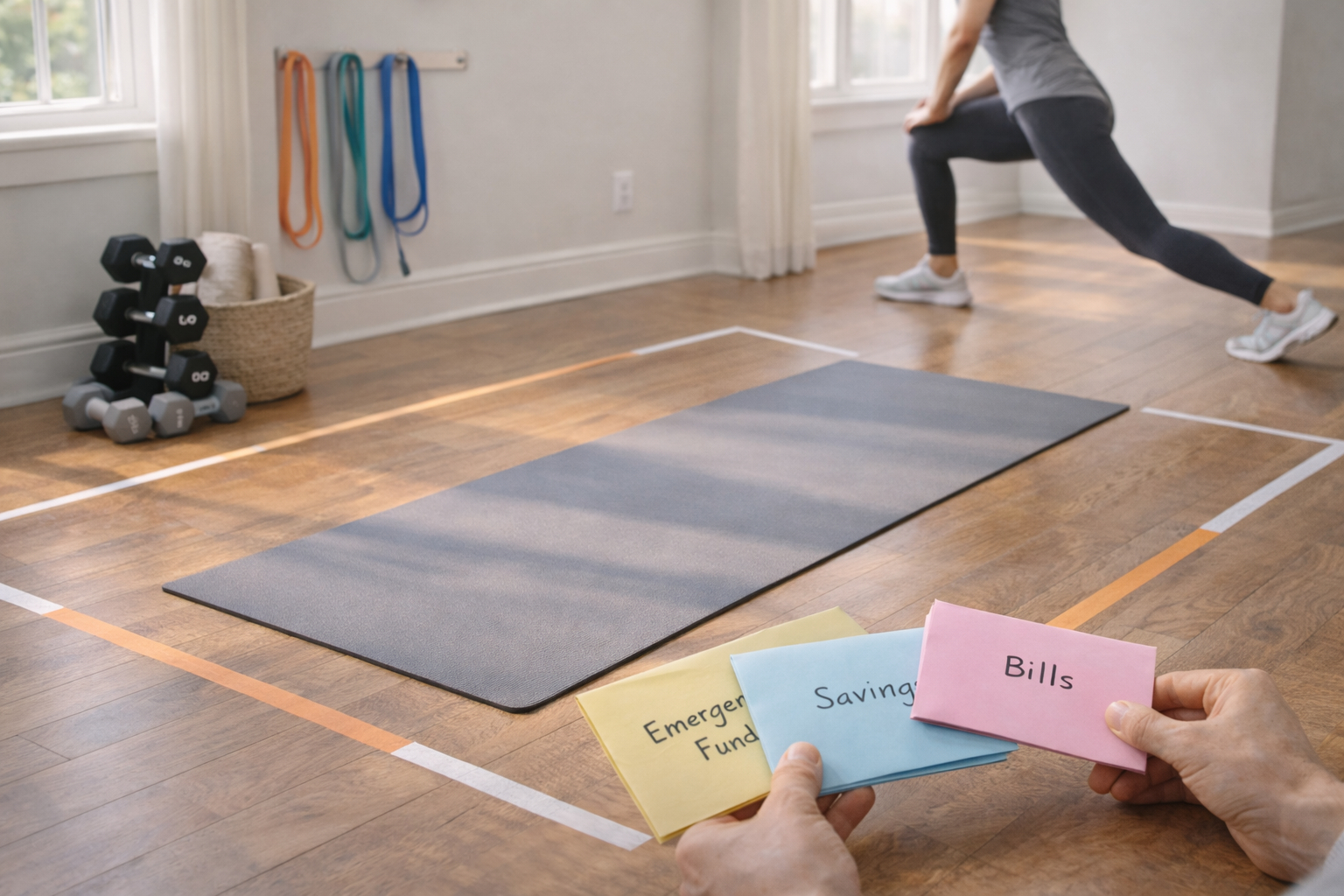
Start with a clear, level area that provides enough room to move safely through your full range of motion. Remove loose rugs, cords, and clutter that could cause trips or restrict foot placement. Ensure the surface offers appropriate traction—slippery floors invite falls while overly soft surfaces can destabilize joints. Consider lighting and ventilation to maintain focus and reduce fatigue during sessions.
- Measure ceiling height for overhead movements.
- Confirm walkways remain unobstructed.
After evaluation, mark a dedicated workout zone and keep it consistently available. Regular checks help maintain safety as routines or equipment change.
Choosing Safe Equipment
Select tools that fit your space and ability rather than the latest trendy gear. Use mats with adequate thickness for floor work and non-slip backing for stability. When using free weights or resistance bands, inspect for wear and choose adjustable options to avoid sudden overloads. Anchors and attachments should be installed according to manufacturer recommendations and inspected frequently.
- Prioritize quality over cost for high-stress items.
- Store gear to prevent tripping hazards.
Investing in a few multipurpose, well-maintained items reduces clutter and the chance of malfunction. Proper storage extends equipment life and supports a safer routine.
Warm-up, Technique, and Progression
A consistent warm-up primes muscles, raises core temperature, and enhances joint mobility to lower injury likelihood. Begin each session with dynamic movements relevant to planned exercises and integrate brief mobility work for stiff areas. Focus on technique over intensity; proper alignment distributes load safely and improves long-term resilience. Progress gradually by increasing volume or resistance in manageable increments.
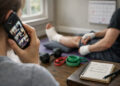
When uncertain about form, record sessions or seek professional feedback to correct patterns early. Small, steady improvements outperform sporadic high-intensity bursts in terms of safety and sustainability.
Conclusion
Prioritizing environment, equipment, and movement quality creates a safer home exercise routine. Regular checks and gradual progression reduce the chance of setbacks and support consistent gains. Implementing these measures makes fitness at home both effective and sustainable.