Recovering mobility after an injury or medical event often continues at home between clinical appointments. A measured, consistent approach reduces setbacks and supports long-term function. Home-based strategies work best when they emphasize safety, gradual progression, and symptom awareness. The guidance below outlines practical steps you can follow while remaining connected with your healthcare team.
Assess your baseline and set realistic goals
Begin by assessing your current abilities and any restrictions your clinician has given. Note painful movements, range limitations, and which daily tasks are most challenging. Use simple measures such as timed walks, sit-to-stand counts, or notes about stiffness to build an objective baseline. Clear, measurable goals—like increasing walk time by a few minutes or completing more sit-to-stands—help you track meaningful change.
Record these markers regularly to spot trends and make small plan adjustments. Small, measurable gains keep plans realistic and motivating.
Build gentle strength and mobility routines
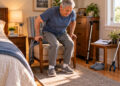
Prioritize gentle mobility and progressive strength work that matches your current capacity. Start sessions with a warm-up of light range-of-motion and breathing, then add exercises targeting core, hips, and shoulders to support daily function. Use bodyweight, resistance bands, or light weights as tolerated, emphasizing controlled movements and proper alignment. Frequency matters: short, twice-daily sessions often work better than infrequent long workouts.
- Seated marches and ankle pumps to restore circulation and hip mobility.
- Partial squats or sit-to-stand repetitions to rebuild leg strength and balance.
- Wall push-ups and band rows to maintain upper-body control and posture.
Adjust repetitions and load gradually based on soreness and function. Avoid sudden increases in intensity to reduce the risk of setbacks.
Pain management, pacing, and symptom tracking
Understanding pain signals helps distinguish expected soreness from warning signs that need review. Apply pacing: break tasks into smaller segments, alternate activity with rest, and avoid pushing through sharp or spreading pain. Non-exercise strategies like heat, cold, or gentle massage can ease symptoms when used appropriately. Keep following any medication or therapy recommendations provided by your clinician.
- Use pain as a guide—mild, brief soreness is often acceptable; severe or worsening pain is not.
- Keep a symptom diary to share with clinicians if patterns or concerns arise.
Pacing protects healing tissues while allowing gradual adaptation. Communicate changes promptly to your care team for timely advice.
When to seek professional reassessment
Certain signs warrant prompt clinical review, including new numbness, increasing weakness, fever, or loss of function. If progress stalls despite consistent, well-tolerated effort, a reassessment can identify barriers or adjustments in technique and goals. Telehealth check-ins or in-person visits can refine your program and provide targeted recommendations. Early feedback helps prevent complications and optimizes recovery strategies.
Use professional input to tailor home activities safely and to adjust goals based on objective progress. Regular collaboration keeps recovery focused and efficient.
Conclusion
Consistent, measured home activity supports recovery when guided by clear goals and safety.
Monitor symptoms, pace tasks, and adapt exercises gradually.
Stay connected with your healthcare team to ensure steady, sustainable progress.